
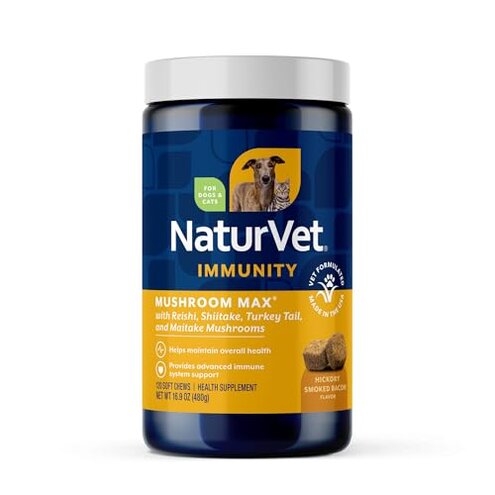
Product evaluated: NaturVet Mushroom Max Advanced Immune Support Dog Supplement – Helps Strengthen Immunity, Overall Health for Dogs – Includes Shitake Mushrooms, Reishi, Turkey Tail – 120 Ct.
Related Videos For You
Best supplements for Dog Seasonal Allergies
When your dog is a picky eater 😂
Data basis: This report uses dozens of buyer comments collected from product listing feedback, written impressions, and short-form video demonstrations from 2023 to 2026. Most feedback came from written reviews, with supporting signals from photo and video posts, which helps separate one-off complaints from repeated daily-use problems.
| Buyer outcome | This product | Typical mid-range alternative |
|---|---|---|
| Pet acceptance | Higher risk of refusal during daily dosing, which can turn a simple chew into a repeated struggle. | Moderate risk of pickiness, but many alternatives are easier to hide in food or split by texture. |
| Visible results | Less predictable payoff, with benefits often hard to notice during normal home use. | More expected trade-off for supplements, but buyers usually report clearer fit for a single purpose. |
| Use effort | More effort than normal if your dog dislikes the chew or needs coaxing every day. | Lower effort when taste and format create less daily resistance. |
| Direction clarity | Higher-than-normal risk of uncertainty for buyers trying to judge whether the product is helping enough to justify staying on it. | Typical risk for this category, but expectations are often narrower and easier to track. |
| Regret trigger | Paying premium supplement pricing and then needing extra steps just to get your dog to take it. | Usually regret starts later, after longer use, not at the first few doses. |
Why does a “soft chew” still turn into a daily fight?
This is the primary issue in the negative feedback pattern. Repeated comments describe the regret moment happening at first use, when a dog who normally takes treats spits this one out or needs food masking.
That trade-off feels worse than expected for this category because a chew is supposed to reduce effort, not add another step to every meal. This problem is recurring, not universal, but it appears often enough to be among the most common complaints.
- Early sign: refusal often shows up on the first few servings, before any health benefit can even be judged.
- Frequency tier: this is a primary complaint, and it appears repeatedly across mixed feedback types.
- Usage moment: it becomes more frustrating during daily dosing, especially in multi-dog homes or with picky eaters.
- Cause in practice: the issue buyers notice is not chemistry jargon, but a treat mismatch where the dog does not see it as a reward.
- Impact: owners end up hiding pieces in food, breaking them up, or skipping doses, which reduces consistency.
- Fixability: this is sometimes fixable with pill pockets or mixing, but that adds cost and time.
- Category contrast: compared with many mid-range chew supplements, this feels less forgiving because acceptance can fail before the product has a chance to help.
What if you use it faithfully and still cannot tell whether it is doing much?
- Secondary issue: a persistent complaint is unclear payoff, especially after repeated use when owners expect at least some visible change.
- When it appears: this usually shows up after ongoing use, once the jar is partly used and buyers reassess value.
- Pattern signal: the concern is not universal, but it appears repeatedly enough to matter for cautious shoppers.
- What buyers notice: the problem is not a dramatic failure, but a hard-to-verify benefit that makes repurchase harder to justify.
- Why it stings: at $42.97 for 120 chews, uncertainty feels more disruptive than expected for a routine wellness supplement.
- Hidden requirement: you may need a very clear reason for using it, plus close observation, or the product can feel like guesswork.
- Category contrast: some supplements in this range are still subtle, but this one can feel broader and vaguer than single-purpose alternatives, which makes success harder to judge.
Does the premium price make the weak spots harder to forgive?
Yes, for many unhappy buyers. The product is positioned like a serious daily support item, so tolerance drops fast when dogs reject it or results stay hard to see.
This is less frequent than outright refusal, but more frustrating when it happens because the cost is already sunk. In a category where some uncertainty is normal, the price-to-confidence gap feels higher than typical.
- Regret pattern: dissatisfaction grows mid-jar, when buyers realize they are spending premium money with mixed confidence.
- Scope signal: this appears across multiple feedback styles, not just one kind of comment.
- Real-world impact: buyers become more likely to ration doses, stop early, or switch products before finishing.
- What worsens it: the issue is bigger when a dog also needs coaxing, because you pay more and work more.
- Attempted workaround: some owners try to justify the cost by continuing longer, but that extends the trial-and-error period.
- Why worse than baseline: many mid-range alternatives are imperfect too, but they usually do not combine high effort and uncertain reward quite as sharply.
Is this one of those supplements that quietly asks more from you than the label suggests?
- Edge-case issue: a smaller but persistent complaint is expectation mismatch around what immune support should look like at home.
- When it hits: this usually appears after setup, once owners realize there is no simple home signal proving it is working.
- Hidden requirement: buyers often need patience and consistency plus a dog that accepts chews reliably, or the product feels impractical.
- Why that matters: people shopping for an easy wellness add-on may not want another item that requires close tracking.
- Pattern signal: this is less common than refusal, but it persists because it affects the buying decision even without a dramatic defect.
- Category contrast: some ambiguity is reasonable for this category, but the burden feels higher than normal when acceptance and results are both uncertain.
Illustrative excerpt: “My dog eats almost any treat, but keeps leaving these behind.”
Pattern note: This reflects a primary acceptance problem that appears repeatedly during first use.
Illustrative excerpt: “I kept using it, but I never felt sure it changed anything.”
Pattern note: This reflects a secondary value problem that shows up after repeated use.
Illustrative excerpt: “For this price, I did not expect to hide it in meals.”
Pattern note: This reflects a primary regret trigger tied to extra daily effort.
Illustrative excerpt: “It may be fine, but it asks for more patience than I wanted.”
Pattern note: This reflects an edge-case fit problem driven by hidden effort.
Who should avoid this
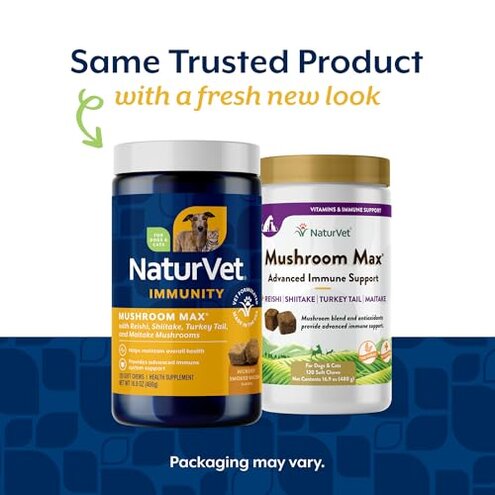
- Picky-dog owners should avoid it if daily chew refusal would turn supplement time into a repeated hassle.
- Value-focused shoppers should avoid it if $42.97 feels too high for a product with benefits that may stay hard to confirm.
- Busy households should avoid it if they need a truly low-effort routine and do not want to hide, split, or coach doses.
- Outcome-driven buyers should avoid it if they prefer supplements with a clearer single purpose and easier day-to-day tracking.
Who this is actually good for
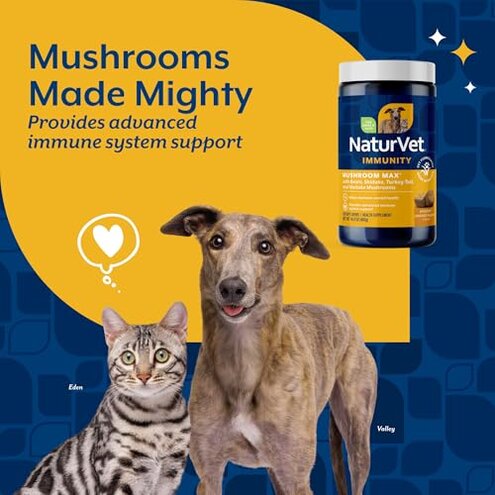
- Easy-going dogs may do fine if they already accept most chews, which removes the biggest failure point.
- Patient owners may tolerate the subtle-results risk if they are comfortable with longer observation and routine use.
- Trial-minded buyers may accept the uncertainty if they are specifically testing an immune support chew and can stop quickly if acceptance fails.
- Single-dog homes may find the extra effort manageable because daily dosing friction stays small and contained.
Expectation vs reality
Expectation: A soft chew should feel close to giving a treat.
Reality: For a noticeable share of buyers, it becomes medication-style coaxing instead.
Expectation: A wellness supplement may be subtle, but the routine should stay simple.
Reality: Here, the daily effort can be worse than expected if your dog resists the chew.
Reasonable for this category: Results are often gradual and not dramatic.
Worse-than-expected reality: the broad promise can leave some owners with too little feedback to know whether the cost is justified.
Safer alternatives

- Choose narrower claims if you want easier tracking, because a single-purpose supplement makes success or failure simpler to notice.
- Prioritize palatability clues when shopping, since acceptance problems are the most differentiated risk here.
- Start with a smaller supply when possible, which reduces loss if your dog rejects the chew on first use.
- Pick simpler formats if your dog is selective, such as options that are easier to mix into food without a struggle.
- Set a check-in plan before buying, so you know what change you expect and when to stop if the payoff stays unclear.
The bottom line
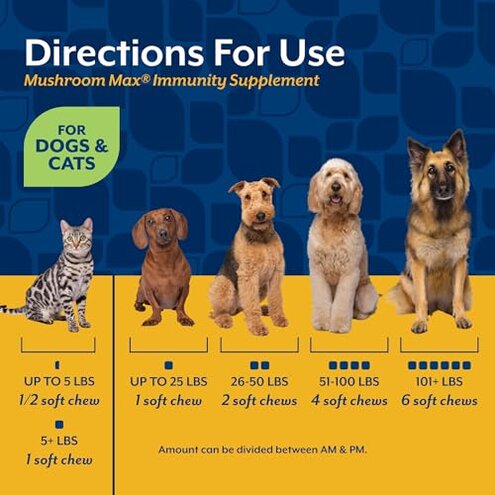
Main regret trigger: the biggest risk is paying a premium for a soft chew that your dog may not accept easily. That exceeds normal category risk because refusal removes convenience, and the product’s benefits can also be hard to verify at home.
Verdict: If your dog is picky or you need clear, easy-to-track value, this is a skip-first supplement rather than a safe blind buy.
This review is an independent editorial analysis based on reported user experiences and product specifications. NegReview.com does not sell products.