
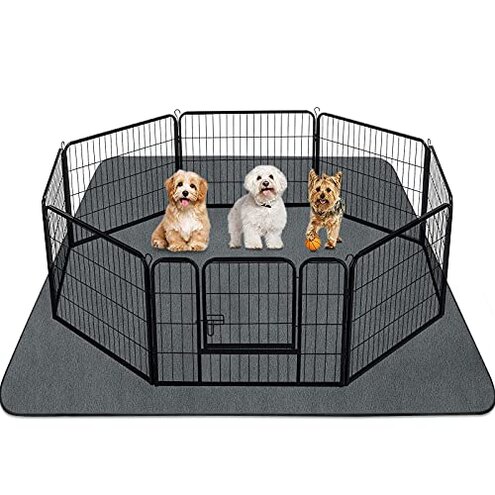
Product evaluated: INVENHO Washable Pee Pads for Dogs 72"x72" Reusable Dog Pads Extra Large Upgrade Non-Slip Dog Pee Pads Heavy Absorbency Puppy Pee Pads Quick Dry Whelping Pads/Waterproof Puppy Training Pad
Related Videos For You
Washable dog pee pads for summer savings #fok #qeils
STOP USING PEE PADS
Data basis for this report comes from analyzing dozens of aggregated buyer experiences collected from written ratings, longer text reviews, and a smaller set of photo-backed feedback, spanning 2021–2026. Most detail came from written descriptions of day-to-day use, with supporting context from image evidence showing real placement on floors, beds, and crates.
| Buyer outcome | INVENHO 72x72 pad | Typical mid-range washable pad |
|---|---|---|
| Leak control | Higher risk of edge seepage during big accidents or long sits, per recurring complaints. | Moderate risk, usually only when overloaded or poorly placed. |
| Dry feel | Inconsistent “stays dry” feel, with persistent reports of damp top after use. | More consistent surface dryness in typical daily use. |
| Stays put | Mixed traction, with repeated notes about sliding on smooth floors. | Usually steadier with comparable backing patterns. |
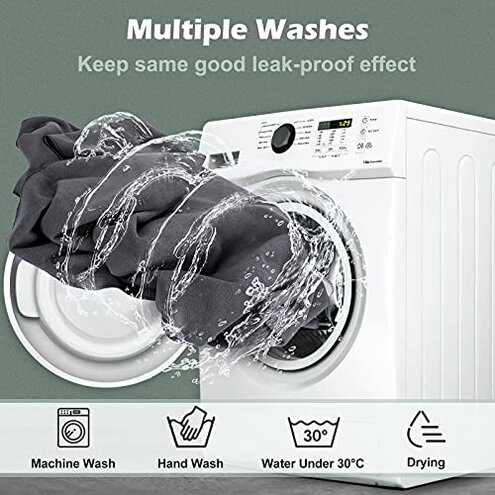
| Cleaning effort | Higher upkeep due to odor retention and the need for extra rinse cycles, per common use notes. | Lower effort, typically washes out with standard cycles. |
| Regret trigger | Waking up to a damp area or a shifted pad after an overnight accident. | Less often a “surprise mess” if sized and placed correctly. |
“Why is it still damp after my dog pees?”
The regret moment tends to show up when you step on the pad and feel moisture, even though it “absorbed.”
This pattern appears repeatedly, but it is not universal and seems tied to heavier wetters and longer time between changes.
When it happens is usually during daily use or overnight, when urine sits longer or spreads wider.
Compared with mid-range washable pads, buyers describe this as more disruptive because the pad is supposed to replace frequent tossing of disposables, not add more laundry and spot-cleaning.
- Primary pattern: “wet-top” complaints show up commonly in daily training and incontinence use.
- Early sign: the surface feels cool and slightly wet within a short time after a pee.
- Worse conditions: larger puddles and long gaps between checks make dampness more noticeable.
- Impact: damp fur and tracked moisture can mean extra wiping and more frequent bedding changes.
- Fixability: rotating pads faster helps, but that adds more loads than many expect for “reusable.”
“Is the non-slip backing actually reliable?”
- Recurring feedback mentions the pad can slide on smooth floors during zoomies or digging.
- When it shows: right after setup, especially on tile, laminate, or polished wood.
- Worse conditions: pets that paw, circle, or push bedding make shifting more likely.
- Category contrast: mid-range pads often still move a bit, but this one is described as less forgiving in active households.
- Hidden requirement: many owners end up adding a rug gripper or tucking edges under a crate to keep it stable.
- Mess risk: sliding can expose floor edges, turning a contained accident into a cleanup job.
- Workaround: clipping corners helps, but it adds setup steps every time you wash it.
“Why does the smell come back after washing?”
- Persistent notes describe odor that lingers after laundering, especially with repeat accidents.
- When it hits: usually after a few wash cycles, when you expect it to be “fresh” but notice dog-pee smell returning.
- Secondary issue: not everyone reports it, but when it happens it is more frustrating than a simple stain.
- Worse conditions: warm rooms and pads used for overnight incontinence make smell more noticeable.
- Category contrast: washable pads always need care, but the regret here is the extra routine beyond a standard wash.
- Attempts: buyers often add extra rinse cycles, which increases time and water use.
- Practical limit: if odor is your main battle, this can feel like never-ending maintenance.
- Mitigation: having multiple pads in rotation reduces odor buildup, but it raises your real cost.
“Does it hold up to daily washing and scratching?”
- Less frequent but persistent complaints describe wear from claws, including snagging and frayed areas.
- When it appears: after repeated use, especially with dogs that dig at bedding or try to nest.
- Worse conditions: high-energy pups and crate time can make tearing more likely.
- Category contrast: some wear is normal, but buyers flag this as faster than expected for a “heavy absorbency” washable option.
- Impact: wear can reduce confidence in leak control, leading to double-layering with towels.
- Hidden effort: double-layering adds laundry and defeats the “single pad solution” idea.
Illustrative excerpt: “It absorbs, but my socks still get wet in the morning.” Primary pattern tied to damp-top complaints.
Illustrative excerpt: “Non-slip didn’t matter on my tile; it drifted overnight.” Secondary pattern tied to smooth-floor sliding.
Illustrative excerpt: “After a few washes, the pee smell returns right away.” Primary pattern tied to odor retention.
Illustrative excerpt: “My puppy dug once and the fabric started to pull.” Edge-case pattern tied to claw wear.
Illustrative excerpt: “I had to add clips and a mat, or it bunches up.” Secondary pattern tied to hidden stability requirements.
Who should avoid this
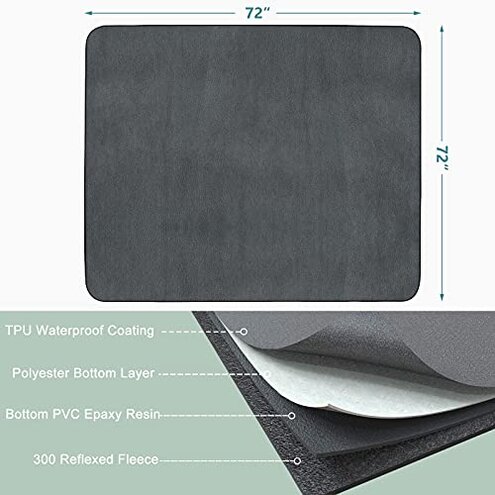
- Overnight users who need a reliably dry surface, because recurring damp-top reports show up during long sits.
- Tile-floor homes that can’t tolerate sliding, since repeated feedback mentions shifting without extra anchoring.
- Odor-sensitive households, because persistent wash-and-smell complaints increase cleaning time.
- Digger dogs in crates or playpens, because less frequent but costly wear can force backups and layering.
Who this is actually good for
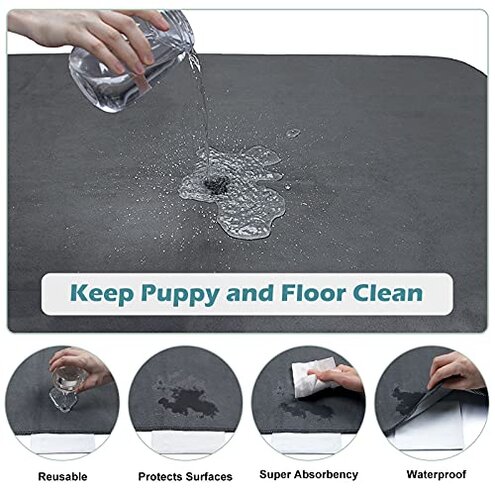
- Short sessions where you can swap quickly, since dampness is less annoying when you check the pad often.
- Carriers and travel use where you can secure edges, if you accept the extra steps to prevent shifting.
- Playpen lining where the pen walls pin the pad, reducing the sliding risk noted on open floors.
- Multi-pad rotation households that already run frequent laundry, since odor control improves when pads are cycled faster.
Expectation vs reality
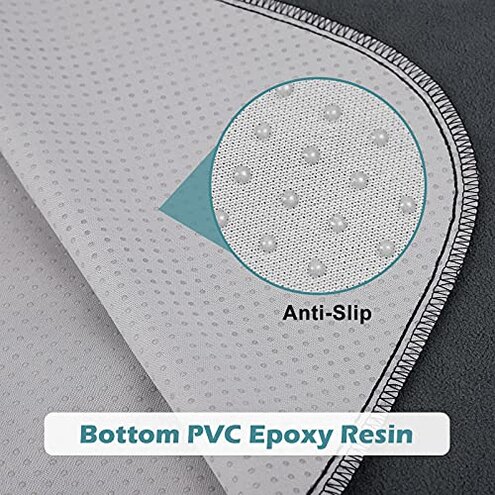
Expectation: A washable pad should feel mostly dry after a normal pee, which is reasonable for this category.
Reality: Aggregated feedback shows recurring damp-top experiences, especially overnight or with bigger accidents.
- Expectation: “Non-slip” should reduce movement without accessories.
- Reality: Stability is inconsistent on smooth floors, and buyers often add grips or tucks.
| What you plan | What can happen |
|---|---|
| One-pad solution for daily training | More laundry than expected to avoid dampness and odor |
| Place and forget under a bed | Edge seep risk if it shifts during the night |
Safer alternatives
- Choose stitched-edge washable pads with strong corner structure to reduce edge seep during big puddles.
- Buy two smaller pads instead of one huge pad if shifting is your risk, since smaller sizes are easier to anchor.
- Prioritize odor-control designs that buyers describe as washing out in a single cycle, to avoid the extra rinse routine.
- Plan anchoring up front with a crate tray, pen clips, or a grippy mat if you’re on smooth floors.
- Match to behavior by avoiding softer-top pads for dogs that dig, since snagging can create early wear.
The bottom line
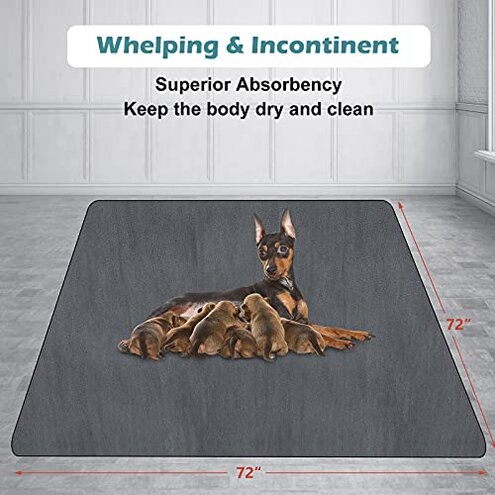
Main regret tends to be a pad that absorbs but still feels damp, or shifts enough to let mess reach the floor.
That risk is higher than normal for mid-range washable pads because it adds extra anchoring steps and more laundry to stay odor-free.
Verdict: If you need reliable overnight dryness and stability without add-ons, this is a skip based on recurring patterns.
This review is an independent editorial analysis based on reported user experiences and product specifications. NegReview.com does not sell products.