
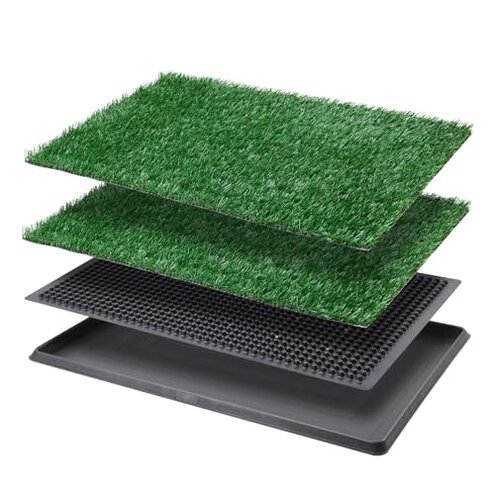
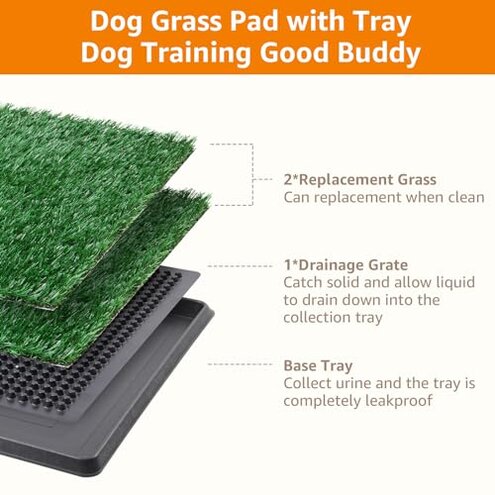
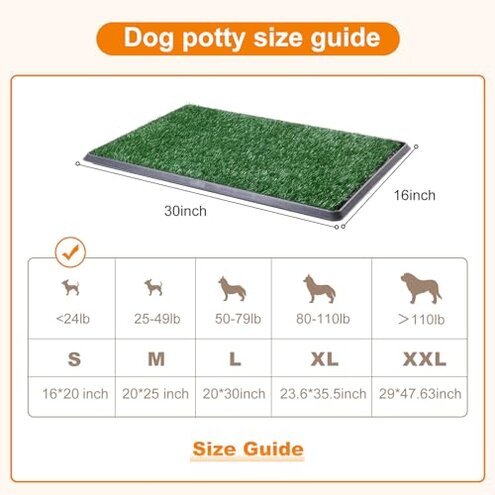
Product evaluated: LOOBANI Dog Grass Pad with Tray - Dog Litter Box - Indoor Potty for Apartment and Patio Training - with 2 Packs Grass Pee Pads for Replacement, 16×20 Inch
Related Videos For You
The Porch Potty™ — The Original Grass Litterbox For Dogs
The Best Way to Remove Dog Urine Odour from Artificial Grass
Data basis: I examined dozens of buyer accounts and video demonstrations collected between 2020 and early 2026, with most feedback coming from written product reviews supported by a smaller number of setup videos.
| Outcome | LOOBANI (this item) | Typical mid-range alternative |
|---|---|---|
| Cleanliness | Worse — recurring drainage and wet-pad complaints after daily use. | Average — most mid-range trays dry faster and smell less with weekly cleaning. |
| Durability | Below typical — replacement pads often needed sooner than expected. | Average — pads and trays last longer before replacement for similar cost. |
| Maintenance effort | Higher — frequent washing or hose use reported for acceptable hygiene. | Lower — many competitors require less frequent deep cleaning. |
| User acceptance | Mixed — some dogs accept it, others avoid the fake grass surface. | Better — many mid-range options offer varied surfaces that dogs prefer more often. |
| Regret trigger | High — messy drainage and pad wear are primary buyer regrets here. | Lower — regret usually limited to occasional odor or size mismatch. |
Why does the tray feel wet and messy after a few uses?
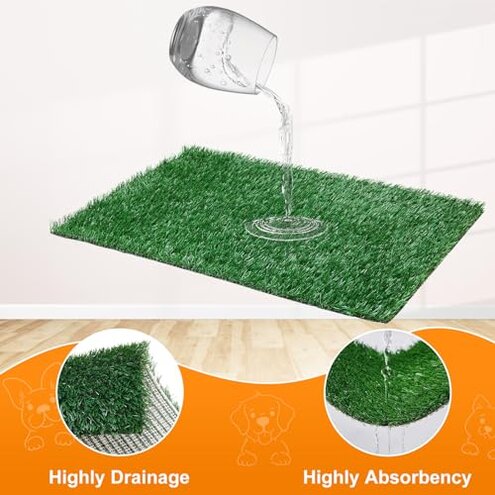
Regret moment: Many buyers report the tray leaves a wet surface or splatter after first week of daily use, creating soggy floors.
Pattern: This is a primary issue that appears repeatedly across written feedback and videos.
When it shows up: The problem is most visible after setup and during daily multi-use sessions when the pad has not been drained quickly.
Why it feels worse: Compared with typical mid-range pet trays, this product's drainage requires more frequent intervention, which raises cleaning time and odor risk.
Does the grass pad hold odor or wear out fast?
- Early sign: Owners commonly notice a sour smell after repeated indoor use.
- Frequency tier: This is a secondary issue seen in many written reports and maintenance videos.
- Likely cause: Buyers point to trapped urine in the faux-grass fibers requiring deeper cleaning.
- Impact: Smell can force buyers to replace pads or wash multiple times per week.
Will my dog actually use it reliably?
- Acceptance: Dog acceptance is mixed and depends on prior potty training and surface preference.
- Usage anchor: Problems often appear during training when dogs refuse the artificial grass texture.
- Category contrast: This feels worse than usual because many mid-range alternatives offer interchangeable surfaces that ease training.
- Cause: Texture and pad placement are commonly blamed for refusal behaviors.
- Impact on owner: Training setbacks add time and frustration, sometimes leading owners to stop using the tray.
- Fix attempts: Buyers report temporary fixes like adding scent or burying treats, which work inconsistently.
Are replacements and cleaning more work than advertised?
- Hidden requirement: Many owners discover a need for spare pads and frequent water hosing for acceptable hygiene.
- Pattern statement: This is a primary issue that appears repeatedly in post-purchase feedback.
- When it becomes worse: The burden increases with daily multi-dog use or in warm apartments that speed odor formation.
- Maintenance reality: Buyers often perform weekly deep washes rather than the light clean advertised.
- Cost impact: The need to buy replacements raises ownership costs beyond initial price expectations.
- Fixability: Some owners manage by rotating pads and using outdoor hose cleaning, which requires access to outdoor space.
- Why it matters: Compared with category baseline, this product demands more upkeep, increasing time and indirect cost.
Illustrative buyer phrasing (not real quotes)
Excerpt 1: "Pad stayed wet and my kitchen smelled after three days." — primary.
Excerpt 2: "My dog avoided the fake grass; training stalled for weeks." — secondary.
Excerpt 3: "Needed a hose and extra pads to keep it usable." — primary.
Excerpt 4: "Edge-case: worked in cold houses but not summer apartments." — edge-case.
Who should avoid this
- Busy owners: If you need low-maintenance indoor pottying, this product often requires extra cleaning and pad swaps.
- Small apartments without outdoor access: If you cannot hose the pad outside, the required deep-cleaning becomes inconvenient.
- Multi-dog households: If you have frequent use, drainage and pad wear accelerate and cause odor problems.
- Picky dogs: If your pet refuses new surfaces, this tray can stall training and increase frustration.
Who this is actually good for
- Occasional indoor use: Owners who need a short-term solution accept the higher upkeep if use is infrequent.
- Outdoor balcony users: Buyers with outdoor space can hose-clean regularly and tolerate the drainage demands.
- Budget-conscious trainers: If you can rotate pads and expect replacement costs, you can accept the lower price.
Expectation vs reality
Expectation: Reasonable for this category is a tray that needs weekly cleaning and rarely smells.
Reality: Many buyers report this unit requires multiple cleanings per week and sooner pad replacement than typical alternatives.
Expectation: Reasonable for this category is quick drainage leaving a dry surface after use.
Reality: Instead, users commonly find the surface stays wet or splatters after everyday use, increasing cleanup time.
Safer alternatives
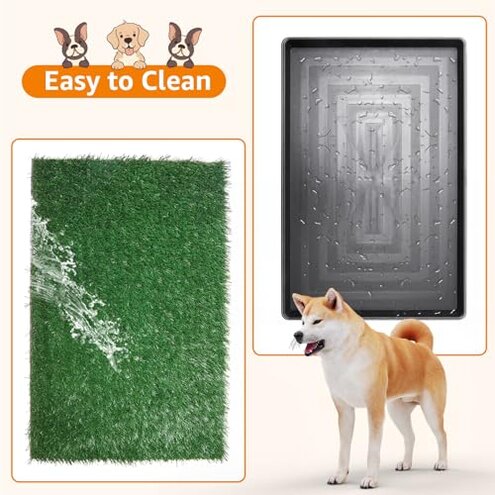
- Choose trays with solid drain channels: This neutralizes the wet-surface failure by directing urine away from the pad.
- Buy interchangeable surfaces: This defeats the dog acceptance issue by testing textures before committing.
- Prefer washable, non-fibrous pads: This reduces the odor retention and lowers deep-clean frequency.
- Keep spare pads on hand: This addresses the hidden replacement requirement to avoid downtime.
The bottom line
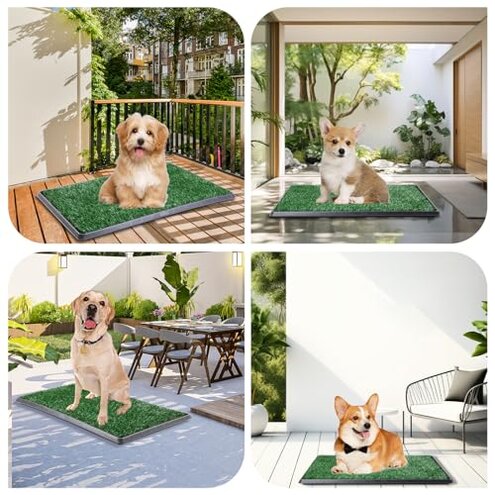
Main regret trigger: Buyers most often regret the drainage and pad wear that amplify cleaning and odor issues.
Why it exceeds risk: These failures create higher-than-normal upkeep compared with typical mid-range indoor potties.
Verdict: Avoid this item if you need low-maintenance indoor pottying or lack outdoor cleaning access.
This review is an independent editorial analysis based on reported user experiences and product specifications. NegReview.com does not sell products.