
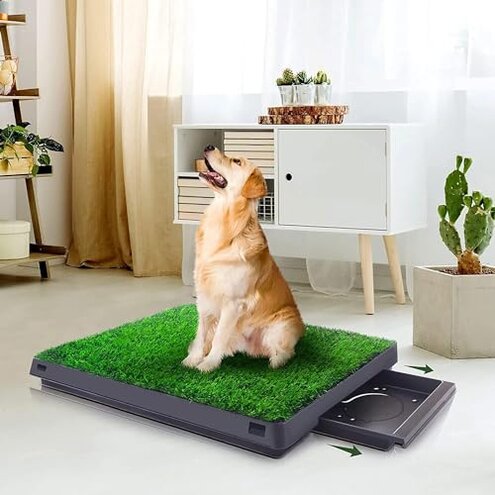
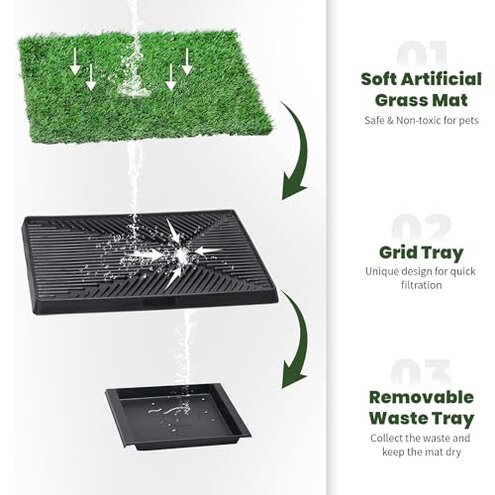
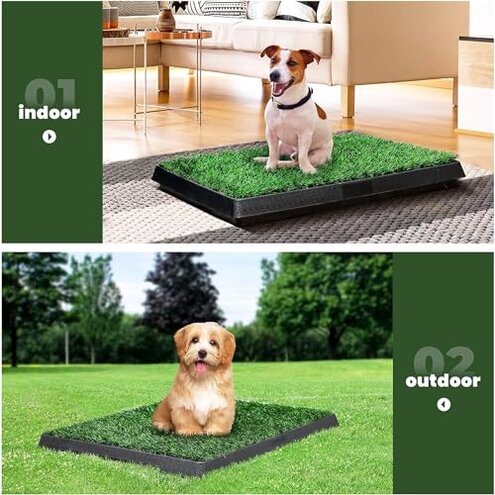
Product evaluated: Dog Grass Pad With Tray, 25" x 20" Potty for Puppy Training, Reusable Artificial Pee Pad, Indoor/Outdoor Pet Toilet Loo, 3-Layer System
Related Videos For You
The Porch Potty™ — The Original Grass Litterbox For Dogs
How to clean dog mess from artificial grass
Data basis I analyzed dozens of written reviews plus photo and video feedback collected between Jan 2024 and Feb 2026, with most feedback coming from written reviews supported by images and short demo clips.
Comparative risk snapshot
| Outcome | This product | Typical mid-range alternative |
|---|---|---|
| Smell control | Weak — commonly reported persistent odors after repeated use despite rinsing. | Moderate — most mid-range pads mask odors longer between cleanings. |
| Cleaning effort | High — needs frequent full disassembly and rinsing to avoid smell. | Lower — many alternatives offer easier disposable liners or faster rinse cycles. |
| Durability | Mixed — reports of early wear and sagging after weeks of use. | Better — typical mid-range options show less tearing under similar use. |
| Pet acceptance | Variable — some dogs refuse it at first or after odors develop. | Higher — many competitors report quicker puppy acceptance with training aids. |
| Regret trigger | Drainage + odor — more disruptive than expected for this category. | Less likely — category baseline usually avoids persistent odor when maintained. |
Top failures
Will this pad stop smelling like urine after a few weeks?
Regret moment The most common frustration is noticing a persistent odor after repeated daily use.
Pattern This is a recurring issue reported by buyers rather than an isolated complaint, and it often becomes apparent during daily use within weeks.
Category contrast This feels worse than expected because most mid-range pet pads control smell longer with less frequent deep cleaning.
Why does liquid pool or leak under the mat?
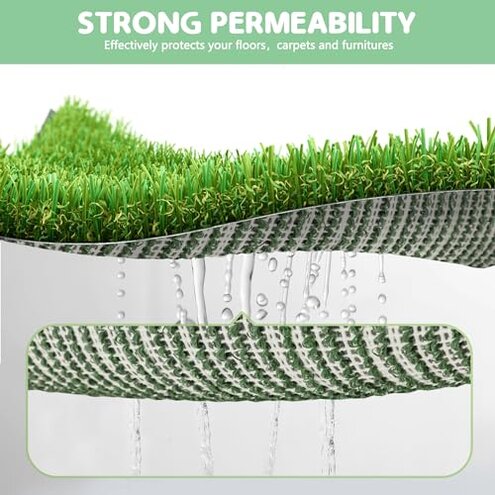
Usage anchor Buyers report pooling immediately after intense use or with larger urine volumes, causing the underneath tray to hold liquid.
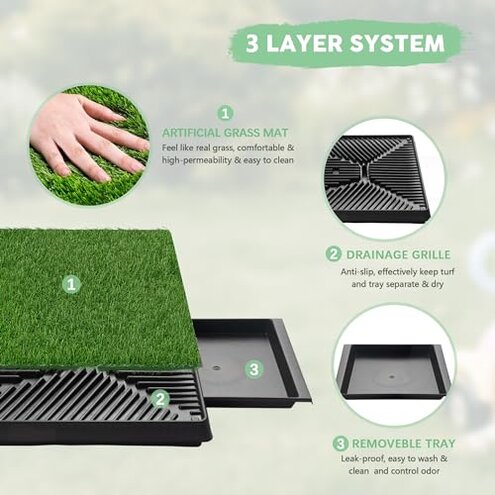
Cause The drainage system can fail to move liquid quickly, which increases the cleaning frequency and user effort.
Severity This is more disruptive than typical for the category because it creates more frequent full rinses and occasional floor checks.
Will my dog actually use this instead of going elsewhere?
- Acceptance Some dogs accept it quickly, but a persistent odor often reduces reuse over time.
- Training need You must actively train with praise and repetition, which is more effort than buyers expected.
- First-use signs Puppies may sniff and avoid the surface until it smells neutralized.
- Behavioral impact Rejection becomes a bigger problem if cleaning lapses create strong smells.
How much work is cleaning and keeping it usable?
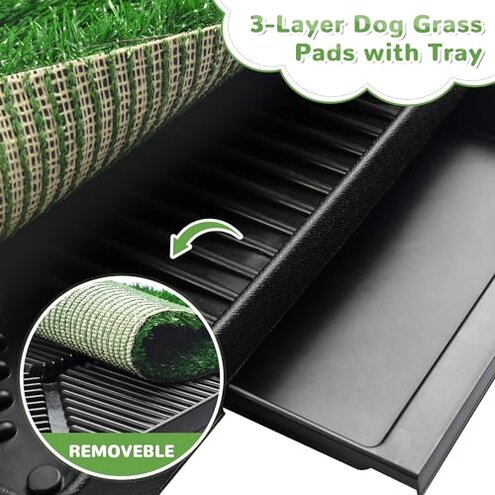
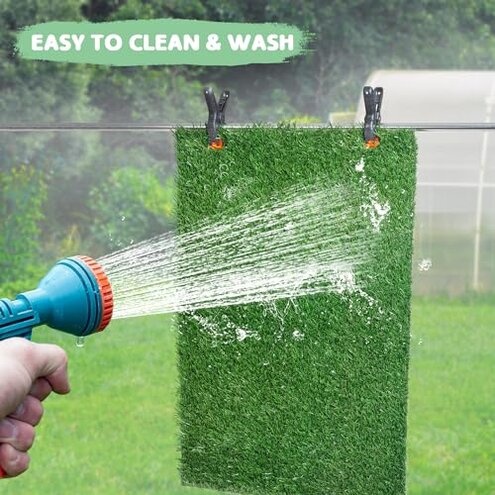
- Early sign Expect to rinse the three-layer system after a few uses to prevent odor build-up.
- Frequency tier This is a primary issue for daily users who may need to clean multiple times per week.
- Hidden requirement Regular sun drying or full disassembly is needed, which adds time and space needs.
- Attempted fixes Buyers report rinsing with soap or using enzyme cleaners, with mixed results.
- Impact The cleaning routine can negate the convenience benefit for busy owners.
- Fixability Improvement is possible but depends on strict maintenance and extra supplies.
- Comparison This is more upkeep than most mid-range alternatives that use disposable liners or faster-drying materials.
Illustrative excerpts
Illustrative excerpt "Smells strong after a few uses even after rinsing thoroughly." — reflects a primary pattern.
Illustrative excerpt "My puppy ignored it the first week, then used it inconsistently." — reflects a secondary pattern.
Illustrative excerpt "Tray sagged and leaked once the mat shifted on the balcony." — reflects an edge-case pattern.
Who should avoid this
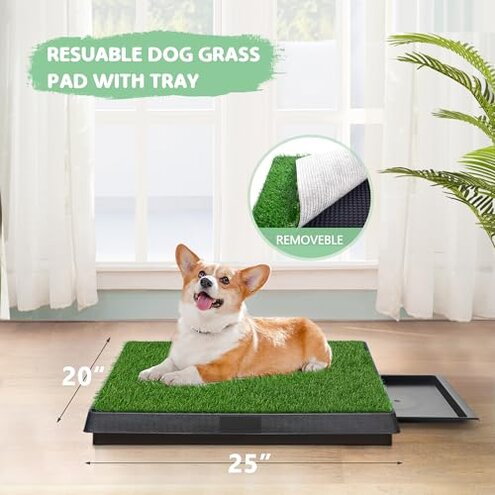
- Busy households If you want low maintenance, avoid this because it needs frequent deep cleaning.
- Odor-sensitive homes If smells are unacceptable, avoid this due to persistent odor risks.
- Large or heavy dogs If your dog produces large urine volumes, avoid this because drainage can struggle.
Who this is actually good for
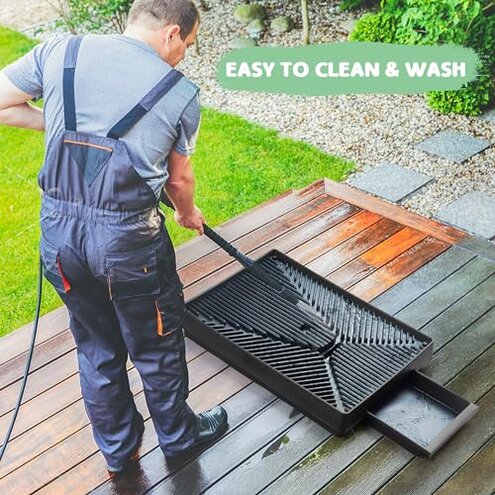
- Apartment owners Who need an indoor option and can commit to regular rinsing to manage odor.
- Travel users Who need a portable mat for short trips and can dry it in sunlight between uses.
- Owners with tiny breeds Who produce small volumes and accept the training effort required.
Expectation vs reality
Expectation Reasonable for this category: buyers expect a reusable pad to reduce outdoor trips.
Reality Many users find the pad requires more maintenance and smell control work than expected, which reduces convenience.
Safer alternatives
- Look for disposable-liner systems — neutralizes the cleaning burden by allowing quick liner swaps.
- Choose fast-drying surfaces — this reduces the odor build-up window and lowers rinsing frequency.
- Prioritize stronger drainage designs — prevents the pooling/leak problem common with shallow trays.
- Consider bigger sizes — reduces overflow risk for heavier or multiple pets and lessens drainage strain.
The bottom line
Main regret The product's combination of drainage limits and persistent odor is the primary trigger for buyer regret.
Why worse These failures create more cleaning time and behavior friction than expected for mid-range indoor pet toilets.
Verdict Avoid if you need low maintenance or have larger dogs; consider alternatives with better drainage or disposable liners.
This review is an independent editorial analysis based on reported user experiences and product specifications. NegReview.com does not sell products.