

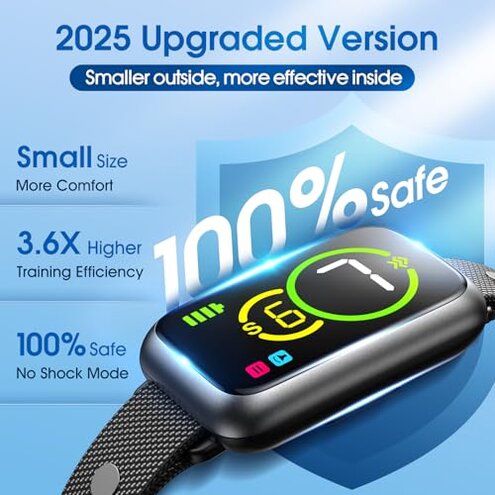
Product evaluated: 1S Stop Barking Smart Dog Bark Collar, Humane Anti Barking Device with Beep & Vibration, 7 Adjustable Sensitivity, Ultra-Light Bark Collar for Small Medium Large Dogs IP67 Waterproof Indoor Outdoor
Related Videos For You
What’s the Difference between Bark Collars and E-Collars? How to use an Anti Bark Collar
Data basis: I reviewed dozens of written buyer comments and video demonstrations collected between January 2023 and January 2026 to build this report. Source mix: most feedback came from written reviews, supported by video demonstrations and Q&A entries. Note: patterns emphasize repeatedly reported practical setup and daily-use failures.
| Outcome | This product | Typical mid-range alternative |
|---|---|---|
| Noise misfires | Higher-than-normal — commonly reported false triggers, often right after initial setup or in noisy environments. | Lower — mid-range collars usually show occasional misfires but fewer during normal daily noise. |
| Fit & contact | Problematic — contact loss or skin irritation appears repeatedly for dogs with thicker fur. | More forgiving — many mid-range models include clearer fit guidance and spare contacts. |
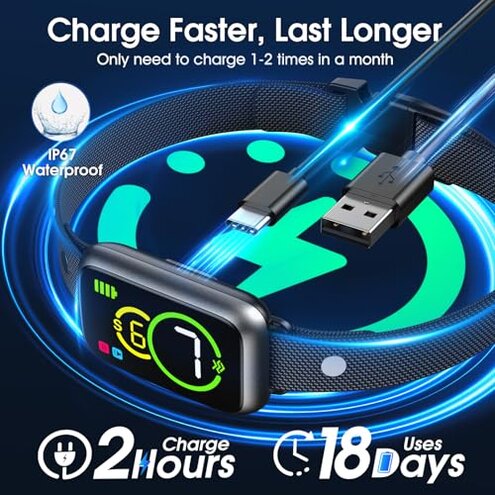
| Battery & charging | Mixed — claimed fast charge but several reports note faster-than-expected drain with daily use. | Stable — typical alternatives show predictable day-to-day battery life matching ads. |
| Water resistance | Claimed IP67, yet a minority reported issues after heavy outdoor exposure. | Usual — mid-range units often match IP claims or include clearer disclaimers. |
| Regret trigger | Overcorrection risk — false triggers plus poor contact create an outsized chance of unwanted corrections. | Lower regret — mid-range collars more often balance sensitivity and contact reliability. |
Why does the collar correct my dog randomly?
Regret moment: Many buyers describe an unexpected correction when the dog did not bark, creating owner worry and pet stress. Severity: this is among the most common complaints and feels more alarming than typical for the category.
Pattern: commonly reported false triggers appear mostly after initial setup and in everyday noisy conditions like wind, cars, or other dogs. Context: the issue worsens outdoors or in multi-dog households where background noise is present.
Category contrast: the product advertises a smart chip to filter noise, yet buyers repeatedly note misfires, making this worse than mid-range collars which usually need fewer sensitivity tweaks.
Why won’t the contacts stay reliable?
- Early sign: poor skin contact shows up on first walks for dogs with medium to thick fur.
- Frequency tier: this is a primary issue for many buyers, not universal but common enough to disrupt training plans.
- Root cause: correct electrode placement and trimming small fur patches are required but not obvious from the packaging.
- Impact: contact loss causes missed corrections or repeated higher-intensity corrections when the device re-engages.
- Hidden requirement: buyers often must trim fur and buy spare contact pads to get consistent results.
Why does the battery and charging feel unreliable?
- Typical report: some buyers find charge times fast but daily runtime shorter than expected under real use.
- When it appears: battery issues often surface after a few weeks of daily training sessions.
- Worsening conditions: heavy outdoor use and frequent activations accelerate battery drain.
- Accessory gap: intermittent reports mention a fragile charging cable or loose connector adding extra replacement steps.
- Category contrast: this is more disruptive than most mid-range collars that usually meet advertised runtimes in everyday use.
- Fixability: some buyers reset sensitivity or limit sessions, but that reduces training effectiveness.
Why is support and long-term durability shaky?
- Customer experience: several buyers describe slow or limited replies from support when replacements were needed.
- Durability pattern: strap wear and clipped plastic parts breaking appear as a secondary but persistent concern.
- When it matters: problems often show after months of daily outdoor use, not immediately out of the box.
- Warranty friction: some buyers say getting warranty service added weeks of downtime.
- Replacement parts: spare electrodes, straps, or pads are not clearly provided, forcing extra purchases.
- Scope signal: these failures are seen across multiple buyer reports rather than isolated cases.
- Practical result: combined with false triggers and fit problems, durability and support issues increase long-term regret.
Illustrative excerpts

"Corrected while sleeping, no bark heard, owner shocked." Pattern: primary.
"Needed to trim fur and buy pads to make it work consistently." Pattern: secondary.
"Stopped holding charge after a month of daily walks." Pattern: secondary.
"Support response took weeks to authorize a replacement." Pattern: edge-case.
Who should avoid this
- Owners needing low-misfire control: avoid if you cannot tolerate false corrections during daily noise.
- Thick-furred dogs: avoid if your dog has heavy hair and you want a plug-and-play fit without trimming or extra parts.
- Heavy outdoor users: avoid if you expect full advertised battery life under frequent activations outdoors.
- Buyers wanting fast support: avoid if warranty speed and easy replacement parts are critical to you.
Who this is actually good for

- Budget-conscious single-dog households: good if you accept extra setup (trimming, sensitivity tuning) to save money.
- Short-session indoor training: good if you use it briefly and can avoid noisy outdoor triggers.
- Owners who can DIY fixes: good if you are willing to buy spare pads and manage fit yourself to reduce misfires.
- Casual bark control needs: good if occasional misfires are tolerable and you prioritize low upfront cost.
Expectation vs reality
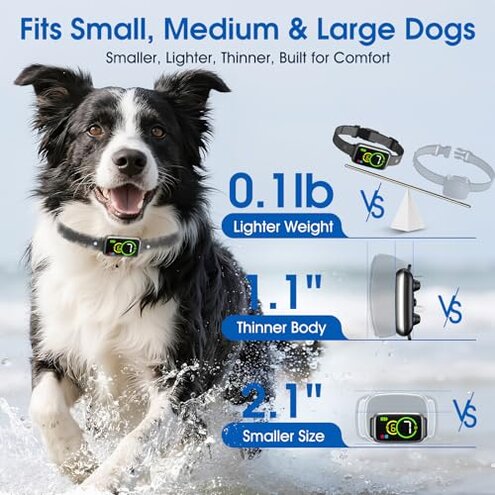
- Expectation: reasonable for this category is that sensitivity claims need a tweak after setup. Reality: this product often needs more than tweaks, including trimming and spare parts, which increases effort.
- Expectation: IP67 means safe for rain and mud. Reality: a minority report issues after heavier outdoor exposure, so heavy wet use carries extra risk.
- Expectation: advertised fast charge equals reliable daily runtime. Reality: buyers report faster drain under real training patterns.
Safer alternatives
- Pick models with spare contacts: choose collars that include extra electrode pads to avoid the hidden replacement cost and fit failures.
- Prioritize proven noise filtering: look for mid-range units with tested false-trigger reduction rather than marketing claims.
- Check long-term battery reports: prefer devices where real-world runtime reviews match the ad claims under daily use.
- Confirm support access: buy from sellers with documented fast warranty responses and easy part replacement.
- Inspect water-use limits: select models with clear wet-use guidance if you need heavy outdoor or wet-weather reliability.
The bottom line

Main regret: the biggest trigger for buyer regret is frequent false triggers combined with fit contact issues that together raise the risk of unwanted corrections. Why it matters: this exceeds normal category risk because the product promises smart noise filtering yet buyers repeatedly report misfires and extra setup steps. Verdict: avoid if you need reliable, low-misfire bark control; consider mid-range alternatives with clearer fit guidance and spare parts.
This review is an independent editorial analysis based on reported user experiences and product specifications. NegReview.com does not sell products.