
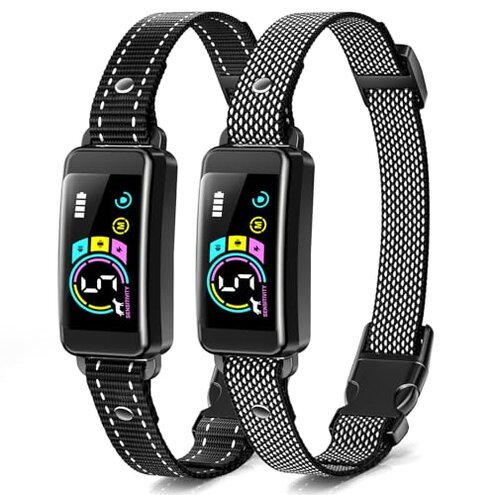
Product evaluated: Bark Collar, 2 Pack Smart Dog Bark Collar for Large Medium Small Dogs, Anti Barking Device for Dogs Training Collar with Beep Vibration Harmless Shock, 5 Adjustable Sensitivity (Black)
Related Videos For You
How to Fit the Premier Pet Rechargeable Bark Collar
Dog shock collars: How they work & why you may NOT want one
Data basis: This report summarizes findings from dozens of buyer reviews and several video demonstrations collected between Jan 2024 and Feb 2026. Most feedback came from written buyer reports, supported by short video tests. The distribution shows written reviews as the primary signal, with videos corroborating hardware and behavior problems.
| Outcome | PL20 (this product) | Typical mid-range collar |
|---|---|---|
| Detection accuracy | Inconsistent detection with recurring false triggers during normal household noise. | Generally reliable detection with fewer false positives in similar price range. |
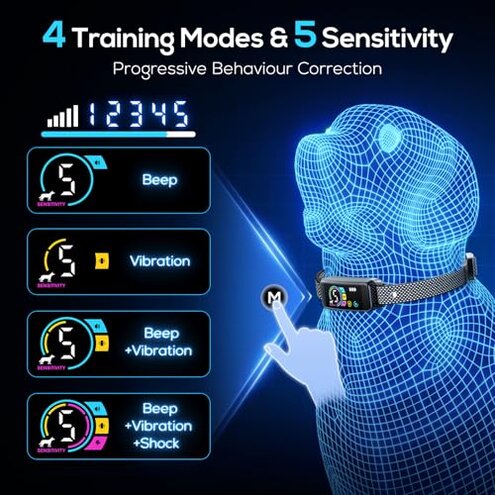
| Shock escalation | Stronger-than-expected shock steps that users report feel abrupt. | Smoother escalation and gentler highest levels on most mid-range alternatives. |
| Fit & contact | Hidden contact need — requires precise skin contact and fur trimming to work well. | More forgiving fit and contact tolerance with typical collars. |
| Battery claims | Runtime mismatch — standby claims often exceed real daily use life. | Realistic endurance that aligns closer to advertised times. |
| Regret trigger | False triggers cause unexpected corrections, creating welfare and trust concerns. | Lower risk of unintended corrections for most mid-range choices. |
Why is my dog getting corrected when it doesn't bark?
Regret moment: Owners report corrections during normal household sounds or other dogs' barking. This creates immediate stress for pets and confusion for owners.
Pattern: This is a commonly reported complaint that appears repeatedly across written reports and videos. When it appears: usually during early setup and daily walks, not just initial runs.
Category contrast: False triggers are more disruptive than expected for this category because collars are supposed to isolate the wearer's bark from ambient noise.
Does the correction feel too strong or abrupt?
- Severity — Many buyers report the shock escalation is sharper than expected for a mid-range collar.
- Frequency — This is a secondary but persistent issue seen across recent buyers during repeated use.
- When — Problems appear when the collar escalates after repeated triggers in quick succession.
- Why worse — Compared with peers, the steps lack smooth ramping, increasing owner concern and the chance of overcorrection.
- Attempted fixes — Users lower sensitivity, but that often reduces effectiveness for genuine barking.
Will this actually sit correctly on my dog's neck?
- Early sign — Collar only works reliably with clear skin contact and short fur under the probes.
- Hidden requirement — You may need to trim fur or shave a small patch for consistent contact.
- Cause — The detection and correction logic depends on stable electrical contact, which dense fur interrupts.
- Impact — Poor contact leads to missed corrections or unexpected shocks, depending on placement.
- Fixability — Hands-on adjustments and frequent retightening are commonly reported during daily walks.
- Category contrast — This is less forgiving than normal since many mid-range models tolerate thicker fur.
- Hidden cost — Extra grooming time or professional trimming becomes an unforeseen ongoing expense.
Does the battery life match the ad claims?
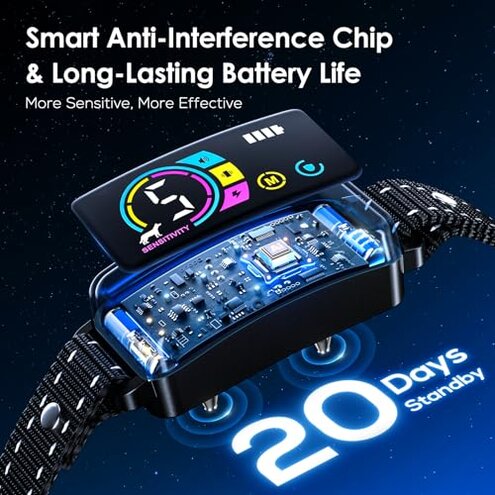
- Claim vs use — The advertised 20 days standby often does not appear under real daily use and regular corrections.
- Pattern — This is a primary complaint among written buyers who used the collar daily for several weeks.
- When — Shorter runtime shows up after multiple short sessions per day and frequent alerts.
- Cause — Real-world use of vibration, beep, or escalation drains the battery faster than standby tests.
- Impact — Owners report extra charging sessions and reduced training windows.
- Attempted fixes — Some buyers cycle power or avoid nonessential modes to stretch life, which reduces features.
- Category contrast — This is more upkeep than most mid-range alternatives, which more closely match runtime claims.
- Hidden requirement — Frequent charging adds ongoing friction for daily training routines.
Illustrative excerpts
"It buzzed during TV noise and my dog flinched." — reflects a primary pattern of false positives.
"Had to shave under the collar for any consistency." — reflects a secondary pattern about fit/contact needs.
"Battery lasted far less than advertised with daily walks." — reflects a primary battery runtime signal.
Who should avoid this
- Owners of anxious dogs — False triggers and abrupt corrections increase stress beyond normal category risk.
- Busy households — If you cannot groom or trim fur for probe contact, performance will be inconsistent.
- People needing reliable battery life — Daily trainers who expect advertised runtimes should avoid surprise extra charging.
Who this is actually good for
- Hands-on trainers — Willing to adjust sensitivity and collar placement to tolerate false triggers for a low-price solution.
- Short-coated dogs — Dogs with minimal fur under the probes who tolerate correction steps well.
- Occasional use buyers — People who use short-term sessions and can recharge frequently to avoid runtime problems.
Expectation vs reality
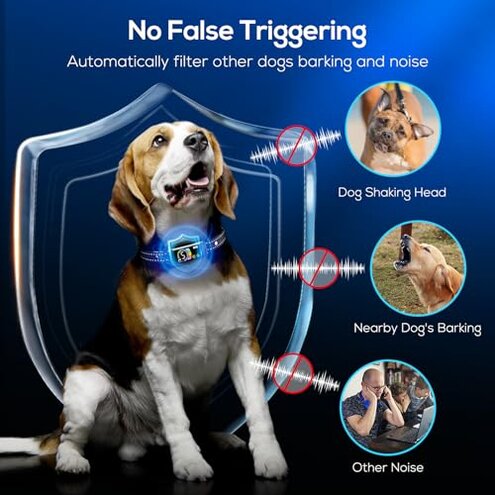
- Expectation (reasonable for category): collars should distinguish the dog's bark from ambient noise.
- Reality: PL20 often corrects during other sounds, causing unexpected corrections.
- Expectation (reasonable for category): advertised runtime should match light daily use.
- Reality: Real use drains battery faster, requiring extra charging sessions and reduced training time.
Safer alternatives

- Prioritize proven detection: Look for collars with independent third-party detection tests or many verified setup videos to reduce false triggers.
- Choose gentler escalation: Prefer models with documented smooth shock or vibration ramps to avoid abrupt corrections.
- Fit tolerance: Select collars advertised for thick-fur compatibility to avoid hidden trimming requirements.
- Realistic battery reports: Read long-term user feedback on runtime under daily use to avoid extra charging hassle.
The bottom line

Main regret: The primary issue is false triggers that lead to unintended corrections and owner distress.
Why it matters: These failures exceed normal category risk because detection and escalation feel less controlled than comparable mid-range collars.
Verdict: Avoid this model if you need reliable, low-stress bark control or have an anxious, thick-coated dog.
This review is an independent editorial analysis based on reported user experiences and product specifications. NegReview.com does not sell products.