
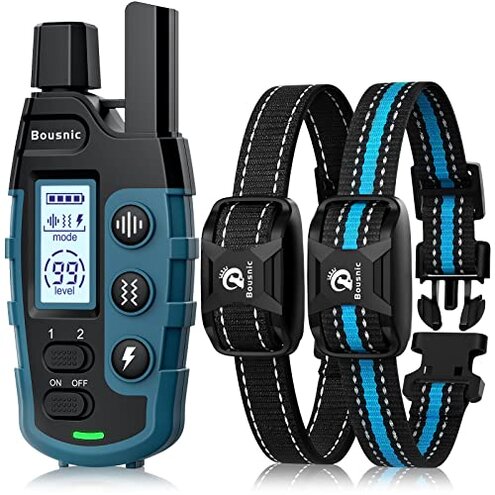
Product evaluated: Bousnic Dog Shock Collar 2 Dogs (5-120Lbs) - 3300 ft Waterproof Training Collar for Dogs Large Medium Small with Rechargeable Remote, Beep (1-8) Vibration (1-16) and Humane Shock (1-99) Modes
Related Videos For You
Basic Training :: Getting Started with an E-Collar
E Collar Training HACKS For BEGINNERS
Data basis: I reviewed dozens of written reviews and several buyer videos collected between Jan 2023 and Feb 2026, with most feedback from written reviews and some from hands-on clips.
| Outcome | Bousnic (this listing) | Typical mid-range collar |
|---|---|---|
| Signal reliability | Unsteady range claims often fail under real-world obstacles. | More consistent nearer to advertised ranges with moderate obstruction. |
| Stimulation control | Variable intensity and accidental shocks reported during normal use. | More predictable level scaling and clearer safety limits. |
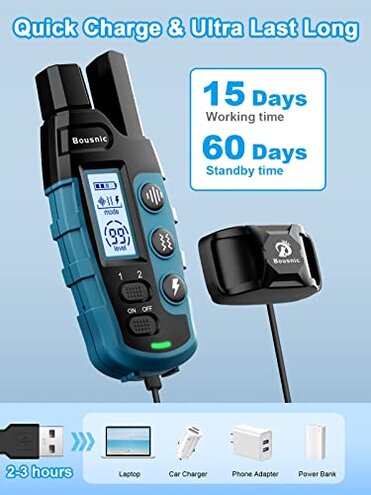
| Battery life | Inconsistent performance versus the claimed 15–60 days in daily use. | Reliable multi-week life for comparable mid-range models. |
| Waterproofing | Mixed reports of failure after swimming or heavy wet use. | Generally durable IP-rated receivers surviving routine wet exposure. |
| Regret trigger | Higher risk of lost control or accidental stimulation during walks. | Lower risk due to steadier range and dependable controls. |
Why did remote control stop working when I needed it?
Regret moment: The remote sometimes fails to reach the collar at advertised range during walks.
Pattern: This is a recurring complaint appearing across multiple buyer sources.
Usage anchor: It usually appears during outdoor use when trees, buildings, or terrain intervene and when testing past short-range measurements.
Category contrast: This is more disruptive than typical mid-range collars because buyers expect predictable reach for safe off-leash recall.
Are the shock and vibration levels inconsistent or unsafe?
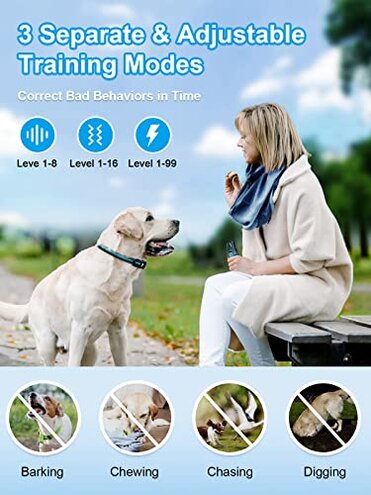
- Primary sign: Users commonly report varying stimulation strength at the same setting.
- When it shows: The issue appears mid-session or after a few days of use, not always on first setup.
- Cause hint: Inconsistent contact or receiver electronics seem to change output across similar level settings.
- Impact: This leads to unexpected reactions from dogs and undermines training reliability.
- Category contrast: More frustrating than average because mid-range units usually provide steadier level steps.
Will the battery and charging keep up with regular training?
- Early sign: Buyers report shorter-than-advertised runtimes within weeks of first use.
- Frequency tier: This is a secondary issue but appears repeatedly in recent feedback.
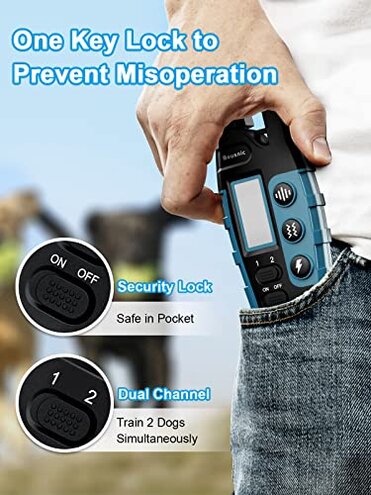
- When it worsens: The problem becomes notable with daily sessions or multi-dog use on the dual-channel feature.
- Hidden cost: Recharging more often adds time and reliance on external power banks for outings.
- Attempts reported: Users try different chargers and cables with mixed success.
- Category contrast: It demands more upkeep than most mid-range collars that reliably deliver multi-week use.
- Fixability: Some buyers temporarily manage runtimes but replacement batteries or returns were common next steps.
Will the collar fit and survive daily dog life?
- Early sign: Poor contacts or a loose fit show up during the first weeks of wear.
- How it appears: The receiver can shift or the probe contact can be chewed, causing inconsistent stimulation.
- Frequency tier: This is a secondary but persistent complaint across sizes and breeds.
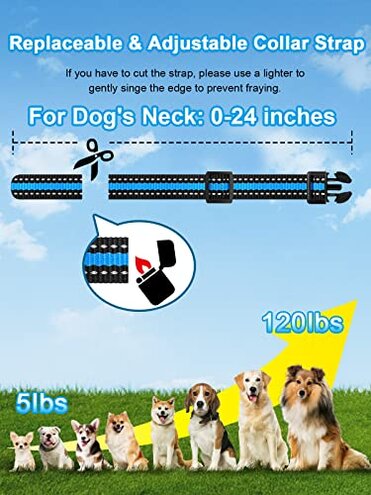
- Hidden requirement: Buyers often need different-length probes or a spare strap to get a secure, reliable fit.
- Impact: A bad fit increases accidental shocks and false negatives where the collar fails to register contact.
- Durability note: Some units stop waterproofing after rough wet use, worsening the durability problem.
- Category contrast: This package is less forgiving than typical mid-range collars that include spare probes or sturdier bands.
- Mitigation: Many buyers had to buy aftermarket parts or replace the unit sooner than expected.
Illustrative excerpts
Illustrative: "Remote lost signal behind a few trees during a park recall test." Primary pattern
Illustrative: "Level 10 felt stronger one day and weaker the next." Primary pattern
Illustrative: "Needed extra probes and a different strap to stop slipping." Secondary pattern
Who should avoid this
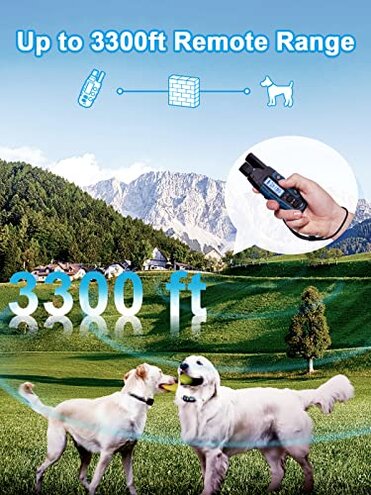
- Off-leash trainers: If you need reliable long-range recall, avoid this due to signal inconsistency.
- Sensitive dogs: If your dog reacts strongly to stimulation, avoid this because intensity can vary unpredictably.
- Remote hikers: If you rely on long battery life and water reliability, avoid this for multi-day outings.
Who this is actually good for
- Budget tinkerers: If you accept repairs and tweaks, you can manage fit and battery quirks yourself.
- Backyard practice users: If you train mostly at short distances, the range risk is less important.
- Two-dog households testing dual channels: If you want the feature and can tolerate more frequent charging, it may work.
Expectation vs reality
- Expectation (reasonable): Mid-range collars should deliver consistent stimulation levels.
- Reality: This model shows inconsistent strength and occasional accidental shocks.
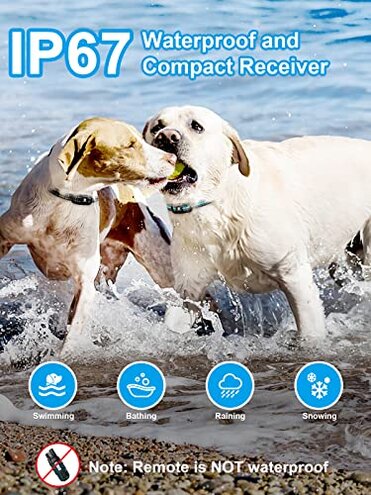
- Expectation (reasonable): IP-rated claims usually survive routine swimming and rain.
- Reality: Some buyers experienced water damage after wet use, making durability worse than expected.
Safer alternatives
- Prioritize tested range: Look for collars with third-party range tests or conservative advertised distances to avoid signal failure.
- Choose steady output: Favor units with documented level calibration or step-based intensity for predictable stimulation.
- Battery transparency: Pick models with verified runtime reports and user-replaceable batteries to reduce downtime.
- Spare parts included: Buy collars that ship with extra probes and straps to avoid hidden fit costs.
- Waterproof verification: Prefer brands with clear water-test evidence or longer waterproof warranties.
The bottom line
Main regret: Buyers most often regret the unreliable remote range and inconsistent stimulation.
Why worse: These issues exceed normal category risk because they affect safety and training trust during real-world use.
Verdict: Avoid this model if you need predictable range, steady stimulation, or robust waterproofing without extra fixes.
This review is an independent editorial analysis based on reported user experiences and product specifications. NegReview.com does not sell products.