
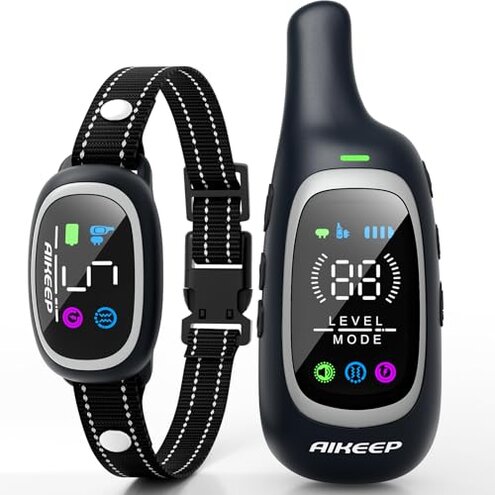
Product evaluated: 2-in-1 Dog Shock Collar and Bark Collar for Dogs – 3300FT Dog Training Collar with Remote, IP67 Waterproof e Collar with Anti-Bark/Beep/Vibration/Shock Modes for Small Medium Large Dog(8-120Lbs)
Related Videos For You
Basic Training :: Getting Started with an E-Collar
Humane Anti Bark Dog Collar - 1st Time Used
Data basis: This report summarizes findings from dozens of written reviews and several video demonstrations collected between Jan 2024 and Feb 2026. Most feedback came from written reviews, supported by videos and Q&A notes, giving both short-term setup reports and longer daily-use commentary.
| Outcome | AIKEEP (this model) | Typical mid-range collar |
|---|---|---|
| Detection accuracy | Inconsistent corrections — buyers report false triggers or missed barks in normal environments. | More reliable — most mid-range collars have steadier bark detection in similar settings. |
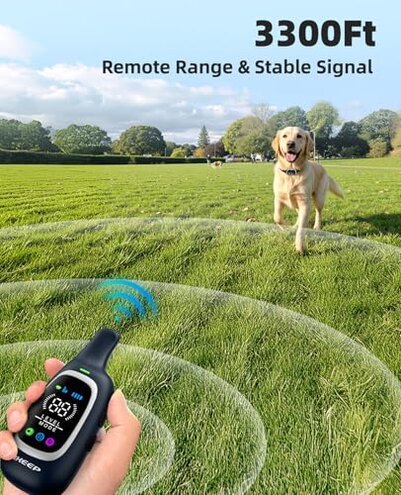
| Remote range | Unrealized 3300FT — signal dropouts appear at distance or with obstacles. | Predictable short-range — typical products advertise realistic, tested ranges and warn about obstacles. |
| Battery life | Claims long life but users report faster drain after repeated use. | Conservative estimates — mid-range options often match real-world runtime more closely. |
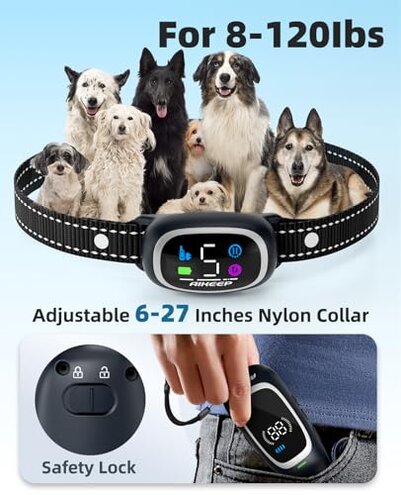
| Fit & safety | Hidden trimming step — strap must be cut and sealed; accidental operation reported. | Cleaner fit — many competitors include pre-sized straps or safer closures. |
| Regret trigger | False corrections — more disruptive than expected and commonly cited as the top complaint. | Lower regret — mid-range collars rarely cause frequent false corrections when used properly. |
Why does the collar correct for non-barking sounds?
Regret moment: Buyers report their dogs receive corrections for routine noises like wind or toys.
Pattern: This is a primary issue that appears repeatedly across feedback, especially during the first week of use.
Usage anchor: It typically shows up after setup and during normal home activities when ambient noise is present.
Category contrast: This feels worse than typical because most mid-range collars separate bark-only signals more reliably, so the problem causes real training setbacks.
Why does the remote lose signal at distance or around obstacles?
- Early sign: The remote lags or drops when you test it across a backyard or through a fence.
- Frequency tier: This is a secondary issue seen repeatedly on longer-range tests and in open fields.
- Cause: Problems appear during long-range use or when walls, trees, or cars sit between remote and receiver.
- Impact: The interruption breaks training sessions and can create confusing timing for the dog.
- Fixability: Temporary fixes like staying closer or repositioning the receiver help but do not fully match the advertised range.
Why do battery and charging problems show up after a few weeks?
- Early sign: Users report faster-than-expected drain after repeated daily corrections or long sessions.
- Frequency tier: This is a primary issue for owners who use the collar frequently for training sessions.
- Usage anchor: The problem appears after repeated use, not always on first charge.
- Cause: Heavy vibration/shock use and frequent remote commands accelerate battery depletion.
- Impact: Shortened runtime adds charging downtime and can interrupt multi-day or travel use.
- Category contrast: This is worse than expected because the product advertises long battery life, so the gap between claim and reality creates buyer regret.
- Attempted fixes: Owners tried strict power-saving and fewer corrections, but many still saw reduced longevity.
Why is strap trimming and accidental activation a hidden headache?
- Hidden requirement: The strap must be cut and singed to prevent fraying, a step not obvious to all buyers.
- Early sign: New users notice loose ends or poor fit after trimming without sealing.
- Frequency tier: This is a secondary issue but consistently reported by owners who modify the strap.
- Cause: The included nylon strap requires manual trimming to fit small necks, adding an extra setup task.
- Impact: Improper trimming leads to discomfort or loose contacts that worsen detection quality.
- Safety concern: Several users described accidental button presses despite a safety lock, causing unexpected corrections.
- Fixability: Buyers mitigated this with added padding, tape, or aftermarket straps, increasing cost and time.
- Category contrast: This is worse than typical because many competitors include ready-to-wear straps and clearer safety mechanisms.
Illustrative excerpts (not real quotes)
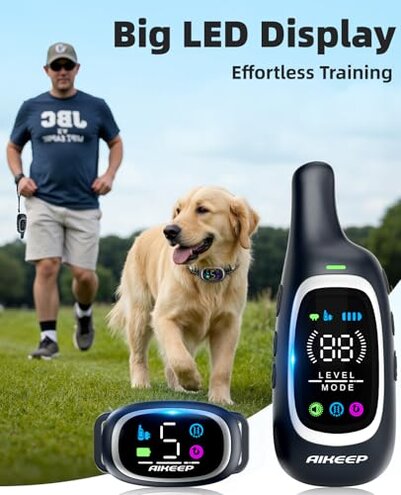
"My dog got zapped for the wind rustling leaves outside." — reflects a primary pattern.
"Remote worked fine close by but dropped when I walked behind the shed." — reflects a secondary pattern.
"Battery held well at first, then lasted half as long after three weeks." — reflects an edge-case pattern.
Who should avoid this
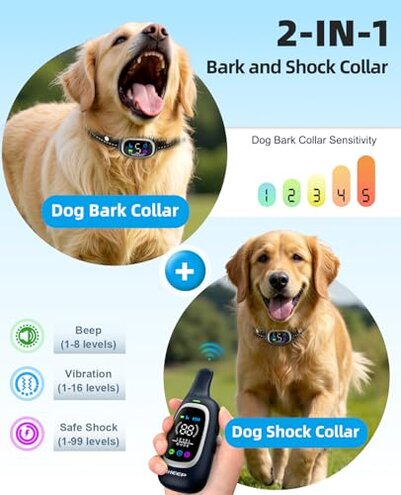
- Noise-sensitive trainers: If false corrections would disrupt training goals, avoid this model.
- Long-range users: If you need reliable performance across large properties or obstacles, this model risks signal dropouts.
- Frequent users: If you run long daily sessions, the battery inconsistency may add unexpected downtime.
- Low-hassle owners: If you want a ready-to-wear collar without trimming or fixes, this product adds setup steps.
Who this is actually good for
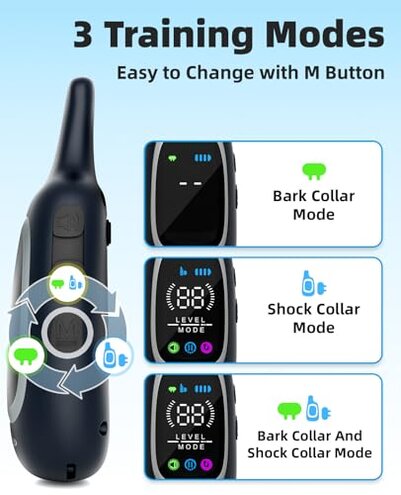
- Budget-conscious hobby trainers: If you accept occasional false triggers and want low price, you may tolerate issues.
- Close-range yard users: If you train within a small yard, range limits may not matter.
- Owners who can modify gear: If you can trim and seal the strap and add aftermarket padding, the collar can be workable.
- Casual bark deterrent seekers: If you need an inexpensive deterrent rather than precise training timing, the product can suffice.
Expectation vs reality
- Expectation (reasonable for this category): Most buyers expect a collar to only correct actual barking in normal home noise.
- Reality: This model sometimes corrects non-bark sounds, creating confusion and extra training steps.
- Expectation (reasonable): Advertised range should translate to practical outdoor use within open yards.
- Reality: The remote drops at distance or with obstacles, so real-world range is lower than advertised.
Safer alternatives
- Pick tested bark-only units: Choose collars with independent verification of bark-detection to avoid false corrections.
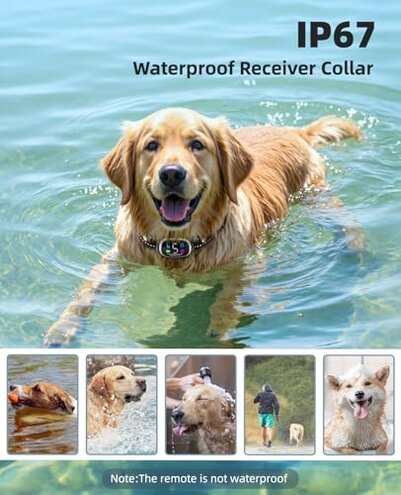
- Prefer realistic range specs: Look for products that state tested short-range performance rather than long theoretical distances.
- Choose replaceable straps: Select collars with pre-sized or replaceable bands to skip trimming and reduce fit headaches.
- Check battery reviews: Prioritize models with consistent long-term battery reports from several buyers, not only manufacturer claims.
- Look for solid safety locks: Prefer designs with mechanical covers or two-step activation to prevent accidental shocks.
The bottom line
Main regret: Frequent false corrections and unreliable long-range performance drive the strongest buyer complaints.
Why it matters: These failures exceed normal category risk because they directly interfere with training progress and add hidden setup burdens.
Verdict: If you need dependable bark-only detection, consistent range, and low setup effort, consider alternatives before buying this model.
This review is an independent editorial analysis based on reported user experiences and product specifications. NegReview.com does not sell products.