
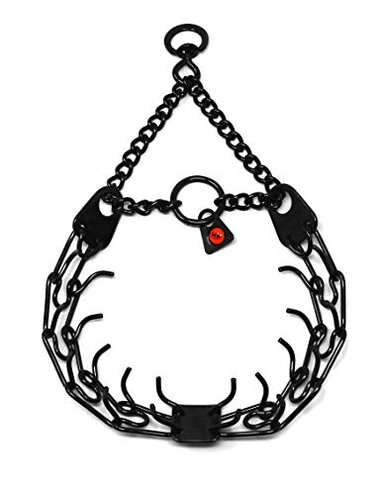
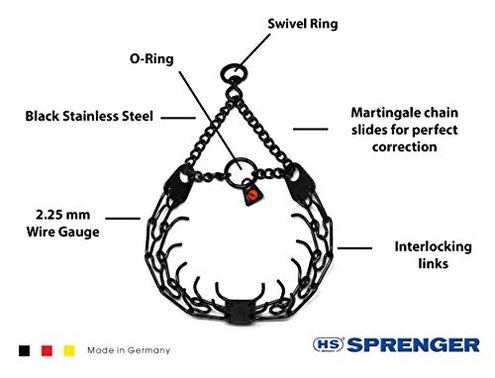
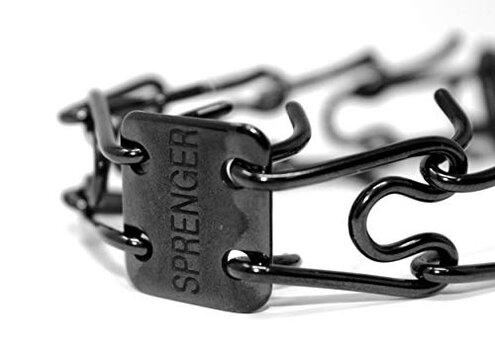
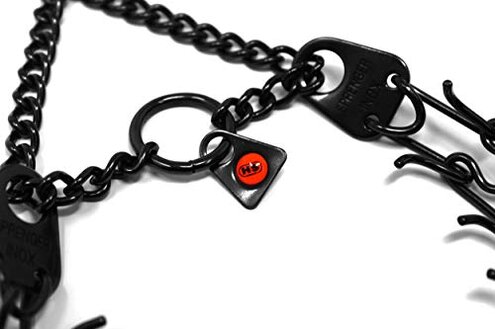
Product evaluated: Herm Sprenger Black Stainless Steel Prong Dog Training Collar with Swivel Ultra-Plus Pet Pinch Collar No-Pull Collar for Dogs Anti Pull Training Collar Made in Germany 2.25mm x 16in
Related Videos For You
How to use the Prong Collar To Train Your Dog
Should You Use Prong Collars and E-Collars?
Data basis: This report is based on dozens of written customer reports and several video demonstrations collected between 2018 and 2026. Most feedback came from written reviews, supported by demonstration clips and troubleshooting posts. The synthesis emphasizes repeated patterns and practical use signals from buyers.
| Outcome | Herm Sprenger (this listing) | Typical mid-range alternative |
|---|---|---|
| Fit accuracy | Inconsistent commonly reported need to add or remove links to reach a snug fit; buyers often adjust during first use. | More forgiving most mid-range collars offer clearer size ranges or extra links included out of the box. |
| Injury risk | Higher-than-normal recurring reports of sharp pressure points and improper fit during walks, appearing as a primary complaint. | Lower many mid-range collars use softer pinch or padding, reducing pressure-related incidents. |
| Ease of setup | Requires effort buyers report fiddly link changes and measuring before first use, worsening for novices. | Straighter mid-range options typically need less trimming or swapping of parts to fit correctly. |
| Durability | Sturdy stainless steel is expected to last, but hardware issues were mentioned in some reports during repeated use. | Comparable many mid-range collars offer similar longevity without premium hardware claims. |
| Regret trigger | Immediate improper fit or harsh pinch on first walks often causes buyers to stop using the product. | Less immediate regret usually follows weeks of use, not first-walk failures. |
Top failures
Does this collar fit my dog without extra work?
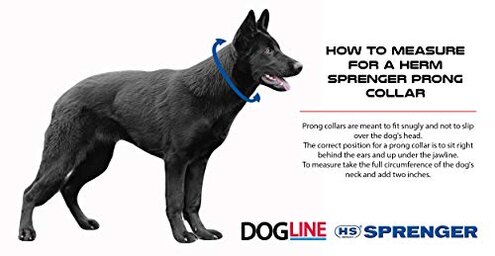
Regret moment: Many buyers report the collar does not fit correctly on first try and needs link changes before it feels secure.
Pattern: This is a primary issue that appears repeatedly in written reports and videos.
When it shows up: Problem surfaces at first setup and during the first few walks as the collar digs or gaps.
Why worse than normal: Unlike many mid-range collars, this model often requires extra links or trimming, adding time and skill beyond category expectations.
Does the collar hurt my dog during normal walks?
- Early sign padding or even pressure marks after short walks are commonly reported, showing poor pressure distribution.
- Frequency tier this is a primary complaint that appears more commonly than durability problems.
- Usage anchor it becomes noticeable within the first few uses, especially on strong pullers or long walks.
- Cause incorrect link count or tight fit concentrates force on prongs, which buyers reported repeatedly.
- Fix attempts owners often remove or add links and re-measure, which sometimes reduces but does not eliminate the issue.
Will I struggle assembling or keeping links secure?
- Assembly note several buyers described fiddly link installation and occasional popped links during early use.
- Scope this is a secondary issue seen across different buyer reports and videos.
- When it worsens frequent on/off for training sessions and repeated link changes increase wear on connectors.
- Impact loose links can create uneven pressure points and require repeated tightening during walks.
- Attempted fixes replacement parts or re-bending links are commonly tried but need tools or skill.
- Hidden requirement buyers must be comfortable handling small metal links and securing the swivel to avoid failures.
- Category contrast most mid-range collars do not require this level of manual reassembly to fit properly.
Do I need special skill or training to use this safely?
- Skill gap many reports say the collar needs an experienced handler to set tension correctly and avoid harm.
- Frequency this is a primary behavioral issue noted in multiple buyer accounts and demonstrations.
- Usage anchor risks become clear during correction training, long sessions, or with reactive dogs.
- Impact improper use can increase stress and cause neck discomfort, which buyers flagged repeatedly.
- Attempts trainers were often recommended, but arranging help adds time and cost for buyers.
- Hidden cost buyers reported needing extra links or professional help before safe use, an unexpected expense.
- Fixability correct use reduces risk, but many buyers felt the learning curve was steeper than typical collars.
- Category baseline simpler no-pull or padded collars usually have a lower training requirement for safe use.
Illustrative excerpts
Illustrative excerpt: "Collar dug into neck on first walk, had to add links and stop." — primary
Explanation: This reflects the common early-fit failure pattern seen repeatedly in written reports.
Illustrative excerpt: "Link popped loose after a week, felt unsafe during play." — secondary
Explanation: This shows an intermittent hardware issue that appears across buyer feedback.
Illustrative excerpt: "Needed a trainer to use it right, not clear for beginners." — primary
Explanation: This highlights the frequent skill gap signal mentioned in demonstrations and reviews.
Who should avoid this
- Inexperienced handlers avoid if you lack training, because safe setup and use commonly require practiced technique.
- Small dogs underfit avoid if your dog is near the product's size limit; buyers reported poor fit for borderline neck sizes.
- Owners without tools avoid if you cannot add or remove links, since assembly and adjustments are often necessary.
Who this is actually good for
- Experienced trainers suitable if you accept the training curve and can precisely fit links to minimize pressure points.
- Owners of strong pullers useful if you need a durable metal control option and are prepared to measure and adjust carefully.
- Buyers wanting longevity appropriate if you prioritize long-lasting metal hardware and can manage the hidden setup steps.
Expectation vs reality
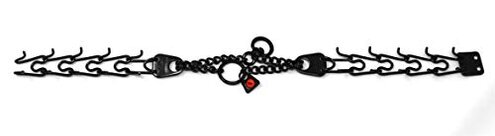
Expectation: Reasonable for this category that a prong collar needs some adjustment to fit.
Reality: This product often needs extra links and skill beyond the normal category baseline, causing immediate regret for many buyers.
Expectation: Hardware will remain secure during normal use.
Reality: Several owners reported link or swivel looseness after repeated on/off, a more disruptive failure than expected.
Safer alternatives
- Choose padded no-pull pick a padded or martingale-style collar to reduce pressure issues and avoid harsh pinching.
- Buy adjustable sets buy a collar kit with extra links included or easier adjustment mechanisms to prevent upfront fiddling.
- Use trainer help consult a certified trainer before trying a prong collar to neutralize misuse and reduce injury risk.
- Check hardware prefer collars with reinforced link locks or welded connectors to avoid popped links during play.
The bottom line
Main regret: The most common trigger is improper fit and concentrated pressure appearing during the first walks.
Why worse: This product demands more adjustment and skill than typical mid-range collars, increasing immediate safety risk.
Verdict: Avoid this collar if you are inexperienced or unwilling to add links and get training; it is better for skilled users who accept the hidden setup work.
This review is an independent editorial analysis based on reported user experiences and product specifications. NegReview.com does not sell products.