
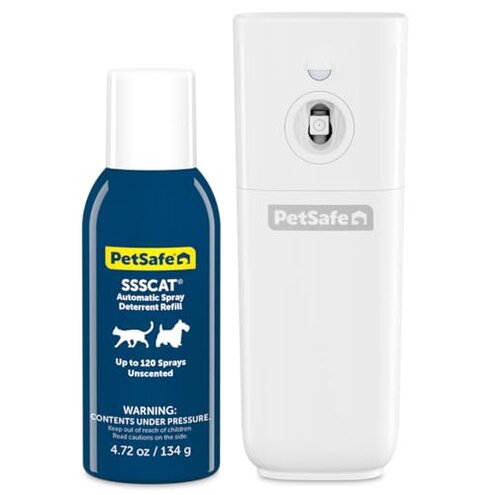
Product evaluated: PetSafe SSSCAT Automatic Spray Pet Deterrent - Contactless Behavior Correction - Motion Sensor Air Burst - Odorless - Non-Staining - Versatile Placement Spray
Related Videos For You
SSSCAT REFILL | how to do it for free at home
New & Improved SSSCAT® Automatic Spray Pet Deterrent
Data basis: I analyzed dozens of buyer reports and video demonstrations collected between Dec 2023 and Jan 2026, with most feedback from written reviews and supported by several setup videos.
| Outcome | PetSafe SSSCAT | Typical mid-range alternative |
|---|---|---|
| Setup reliability | Inconsistent sensor placement often needs repeated repositioning and adjustments. | Predictable sensors usually work after a single calibration attempt. |
| False activations | Higher-than-normal frequency of unintended sprays during normal movement and foot traffic. | Lower false trigger rates in comparable models at this price point. |
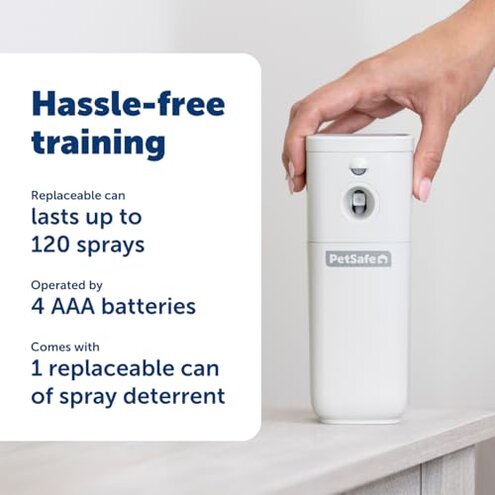
| Refills & upkeep | Ongoing cost and refill handling adds extra steps and recurring purchases. | Less upkeep options available, including longer-lasting cartridges or alternatives without sprays. |
| Placement flexibility | Limited sensor angle and range make some locations unusable without repositioning. | More forgiving range and adjustable mounts on many mid-range units. |
| Regret trigger | False sprays combined with refill cost create repeated annoyance and wasted product. | Lower regret because false activations and upkeep are less frequent. |
Why does it spray when nothing obvious happened?

Regret moment: False sprays often happen while pets or people simply walk past.
Severity: This is a primary frustration because repeated false activations waste refills and disrupt the household.
Pattern: This problem is commonly reported and appears repeatedly across written reports and videos.
When it shows up: False triggers usually occur during daily use in common walkways, not only at targeted surfaces.
Why worse than normal: Mid-range deterrents usually require one setup and then behave predictably, but this unit feels less forgiving and needs constant repositioning.
How much extra work is refilling and upkeep?

- Ongoing cost: Refills add recurring purchases and add extra time for maintenance.
- Hidden requirement: You may need replacement sprays frequently if false activations are common.
- Impact: Frequent refills increase long-term ownership cost compared with non-spray options.
- Fixability: Some buyers report temporary reduction by limiting device use, but that reduces effectiveness.
- Usage anchor: This burden shows up after initial setup when the first refill runs low faster than expected.
Will it work where I want to put it?
- Sensor angle: The device needs careful angling to avoid false triggers from nearby movement.
- Placement limits: Tight kitchens and busy hallways make reliable placement harder than expected.
- Environmental sensitivity: Pets moving behind obstacles or reflective floors can worsen detection.
- Category contrast: This is more finicky than typical mid-range deterrents, which tolerate broader placement.
- Early sign: Multiple reposition attempts in the first days is a common signal.
- Failure mode: When misaligned, the device either never fires or sprays repeatedly at the wrong times.
Will this actually change my pet’s behavior or just upset them?
- Effectiveness doubt: Some buyers report limited behavior change despite repeated sprays.
- Pet reaction: Animals sometimes stop interacting with the area but also show stress signs, which is concerning for owners.
- Pattern tier: This is a secondary issue, less frequent than false activations but more impactful when present.
- Usage anchor: The problem becomes visible after several training sessions when progress stalls.
- Attempts made: Owners tried repositioning, changing refill amounts, and limiting sessions to reduce stress.
- Fixability: Some owners switched to non-spray deterrents because fixes were temporary.
- Hidden cost: Time spent troubleshooting behavior reduces the convenience this product promises.
Illustrative buyer phrasing
"It sprayed while my cat walked by the counter." — primary pattern showing false activations during normal movement.
"I replaced the refill too fast due to unintended bursts." — secondary pattern about refill burden after false triggers.
"Had to keep moving it to get accurate detection." — primary pattern about placement fiddling and constant repositioning.
"My dog seemed startled more than trained." — edge-case pattern showing stress without consistent behavior change.
Who should avoid this
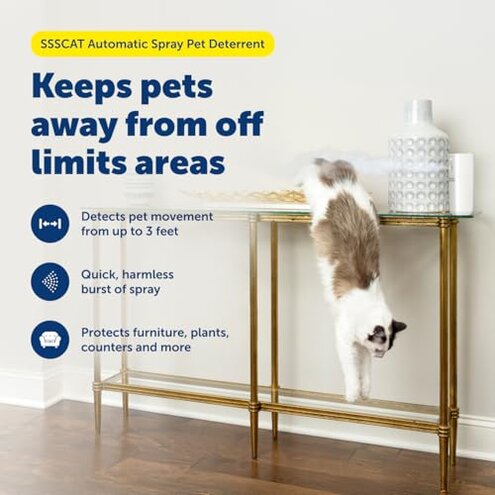
Busy households: Avoid if you want a set-and-forget solution because this device often needs repeated adjustments.
Small-space kitchens: Avoid if you cannot position the sensor away from normal foot traffic because false sprays increase.
Cost-sensitive buyers: Avoid if you dislike ongoing refill purchases and wasted product from accidental activations.
Who this is actually good for
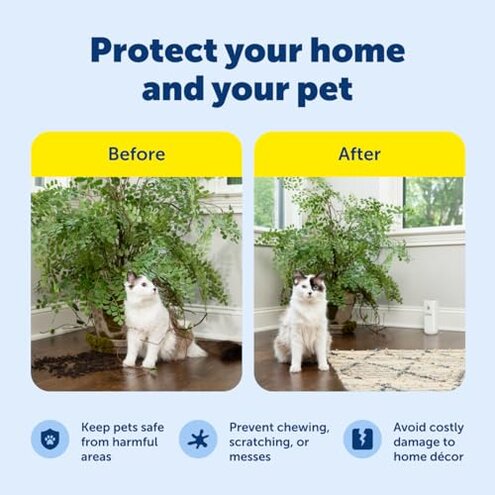
Careful experimenters: Good for owners willing to fine-tune placement and accept extra refills to protect a specific surface.
Short-term training: Works for users doing limited, supervised sessions who can monitor pet stress and adjust use quickly.
Non-sensitive pets: Suitable if you accept that false sprays may occur and the pet does not react strongly to brief bursts.
Expectation vs reality
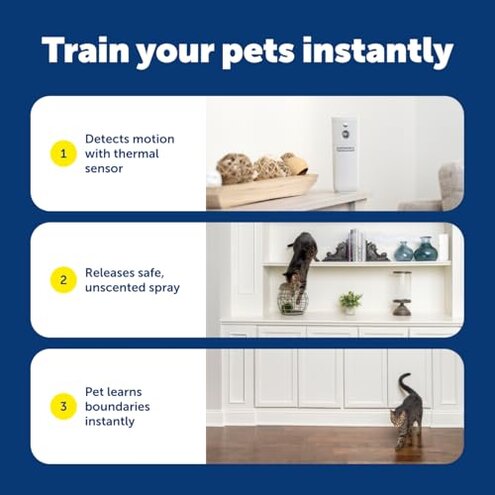
Expectation: A category-typical deterrent should require minimal setup and few false alarms.
Reality: This unit often needs repeated repositioning and creates more false activations than is reasonable for the category.
Expectation: Refillable units usually lower long-term cost because they replace batteries only occasionally.
Reality: Frequent unintended sprays often accelerate refill use, increasing long-term expense and effort.
Safer alternatives

- Choose non-spray options: Select models using sound or vibration to eliminate refill and spill risks.
- Prioritize adjustable sensors: Buy units with clear range adjustment to reduce false activations without repositioning.
- Check refill availability: Prefer brands with long-lasting cartridges or bulk refill packs to lower ongoing costs.
- Look for return-friendly sellers: Ensure easy returns if false activations appear during the initial trial period.
The bottom line
Main regret: Repeated false sprays plus refill costs are the central buyer complaint and the main reason for regret.
Why it exceeds risk: These failures are more disruptive than typical mid-range deterrents because they increase maintenance, cost, and household disturbance.
Verdict: Avoid this model unless you can commit to frequent tuning and ongoing refill spending.
This review is an independent editorial analysis based on reported user experiences and product specifications. NegReview.com does not sell products.