
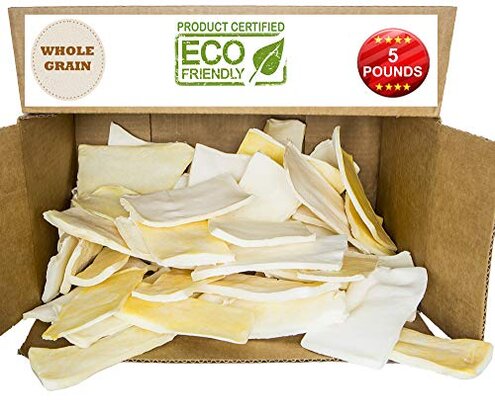
Product evaluated: Brazilian Pet Premium Thick Cut Chips, Wholegrain Rawhide (Last Much Longer Than Traditional Chips). 100% Natural. Great Behavioral Dog Chew Treat Solution. No Preservatives. (5 Pounds)
Related Videos For You
The Dangers of Rawhide: Ask the Dogologist
Facts About Rawhide
Data basis: This report used dozens of written customer reviews and several video demonstrations collected between 2019 and 2025. Most feedback came from written reviews, supported by visual demos and Q&A posts. The distribution leans toward recent buyers describing chewing sessions and package inspection.
| Outcome | This product | Typical mid-range alternative |
|---|---|---|
| Durability | Variable — pieces sometimes break into small shards during heavy chewing, commonly reported. | Consistent — mid-range chews usually wear down slowly without fragmenting. |
| Safety / Choking | Higher risk — fragmentation and small pieces are a more common complaint than expected for this category. | Lower risk — alternatives often advertise size consistency and fewer shards. |
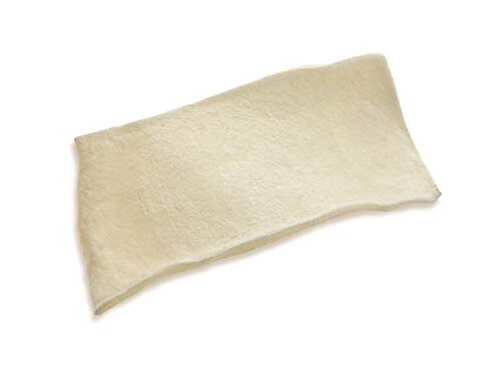
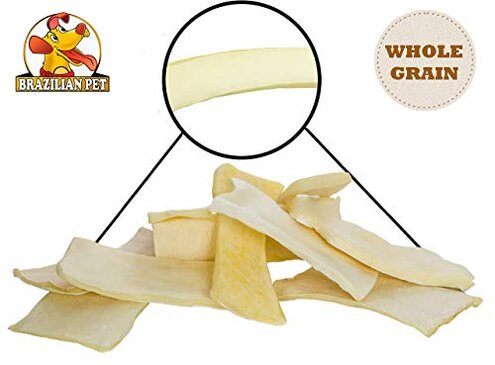
| Size consistency | Inconsistent — buyers report uneven thickness and variable chip sizes out of the pack. | Predictable — typical options provide more uniform pieces that match size descriptions. |
| Clean-up / Odor | Low mess — product often described as non-greasy and low-odor in feedback. | Comparable — many mid-range rawhide chews also advertise low odor and easy cleanup. |
| Regret trigger | Fragments — the primary regret is small broken pieces that require constant supervision. | Less likely — mid-range chews usually cause less hands-on monitoring for fragments. |
Will these chews break into dangerous pieces while my dog chews?
Immediate risk: Multiple buyers describe moments where large chips split into small fragments during a single chew session. These incidents are among the most common complaints and are tied to heavy chewing and prolonged sessions.
Usage anchor: Fragmentation typically occurs during long chewing sessions and gets worse with powerful chewers. This pattern appears repeatedly across written and video reports.
Category contrast: Fragmenting is more disruptive than expected because similar mid-range chews usually last longer before producing small pieces.
Why are sizes and thickness so inconsistent out of the bag?
- Pattern: Inconsistent sizing is a recurring issue rather than isolated.
- When it shows up: Buyers notice the problem right after opening the 5-pound bag during first inspection.
- Cause signal: Feedback points to variable cutting and natural material variance as the likely cause.
- Impact: Size inconsistency forces buyers to sort pieces and match them to their dog's size before giving chews.
- Category contrast: This product is less predictable than most mid-range options, so expect extra prep work.
Could these chews harm my dog’s teeth or stomach?
- Frequency tier: This is a secondary issue—less frequent than fragmentation but more frustrating when it occurs.
- Early signs: Owners report sudden tooth discomfort or picky chewing after very hard pieces are given.
- Context anchor: Problems tend to appear after repeated use or when a dog gets a particularly thick, hard chip.
- Why worse: Hardness variability makes this product less forgiving than typical chews for older or dental-sensitive dogs.
- Attempts to fix: Buyers often soak or cut pieces, which adds time and hidden prep steps.
- Fixability: Soaking reduces hardness but lowers chew life and changes texture.
Do I need to supervise and sort every piece before handing to my dog?
- Hidden requirement: Many owners report a real need to inspect and sort pieces before giving them to pets.
- When required: Sorting is most needed for households with multiple dog sizes or power chewers.
- Impact on routine: Extra sorting adds preparation time and removes the convenience expected from bulk packs.
- Frequency: This requirement is commonly reported across written reviews and videos.
- Why it matters: Without sorting, the chance of fragments or hard chips reaching a small or older dog increases.
- Workaround effectiveness: Some buyers successfully cut large chips, but this is time-consuming.
- Category contrast: Mid-range alternatives often arrive with more uniform sizing and need less hands-on sorting.
Illustrative excerpts (not actual quotes)
Illustrative: "Chip split into small pieces within five minutes of chewing." — primary pattern
Illustrative: "I had to cut and soak several pieces before my older dog would chew." — secondary pattern
Illustrative: "Bag had many unevenly thick chips that didn't match pictures." — primary pattern
Illustrative: "One piece felt rock-hard and my dog stopped chewing it." — secondary pattern
Who should avoid this
- Small or senior dogs: Owners of small or dental-sensitive dogs should avoid this product due to fragment and hardness risks.
- Power chewers without supervision: If you cannot supervise long chew sessions, this product raises higher safety concerns.
- Buyers wanting grab-and-go convenience: If you expect no prep, skip this pack because sorting is commonly required.
Who this is actually good for
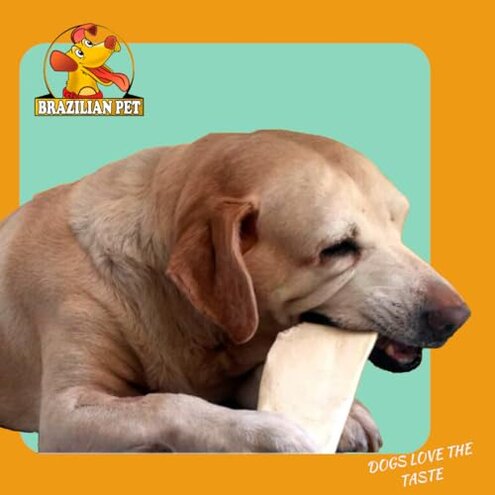
- Owners willing to supervise: If you can watch chewing sessions, you can manage fragment risk and still use the product.
- Large, robust chewers: Dogs that safely handle hard chews may appreciate the long-lasting reward despite inconsistency.
- Buyers who prep chews: If you plan to cut or soak pieces, you can neutralize hardness and make the product usable.
Expectation vs reality
- Expectation: Reasonable for this category to buy bulk chews and use them without prep.
- Reality: Bulk pack often requires sorting and supervision, adding time and effort.
- Expectation: Chews should wear down gradually and predictably for mid-range value packs.
- Reality: Pieces can fragment early, which raises safety and cleanup needs above the category baseline.
Safer alternatives
- Choose uniform-sized chews: Look for products that state precise piece dimensions to avoid size inconsistency.
- Opt for tougher-tested options: Prefer chews marketed for power chewers with explicit anti-fragment testing to reduce choking risk.
- Buy smaller packs first: Try a small bag to check piece variation before committing to a 5-pound pack.
- Prepare to supervise: If you still buy this product, plan for initial sorting and supervised sessions to catch fragments early.
The bottom line
Main regret: The primary trigger is fragmentation and size inconsistency, which increases choking and supervision needs.
Why it’s worse: These problems are more disruptive than typical mid-range rawhide because they force extra prep and monitoring.
Verdict: Avoid this product if you need grab-and-go convenience or have small, unsupervised dogs; consider alternatives with better size control.
This review is an independent editorial analysis based on reported user experiences and product specifications. NegReview.com does not sell products.