
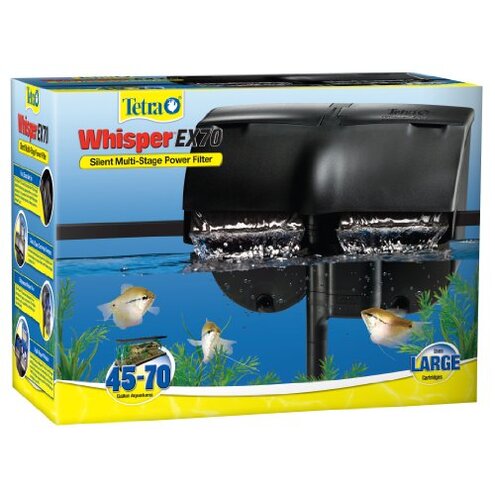
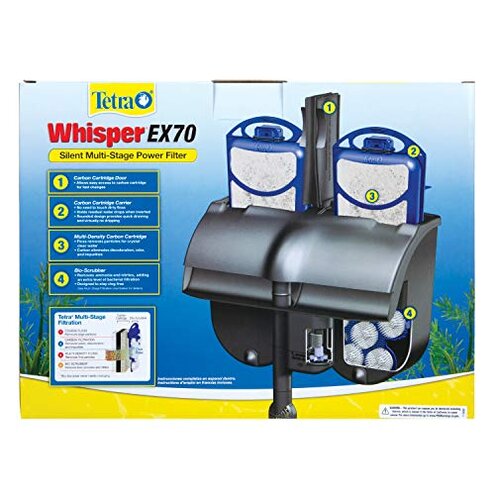
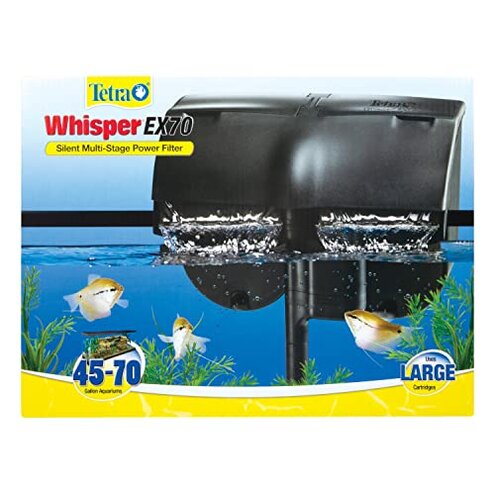
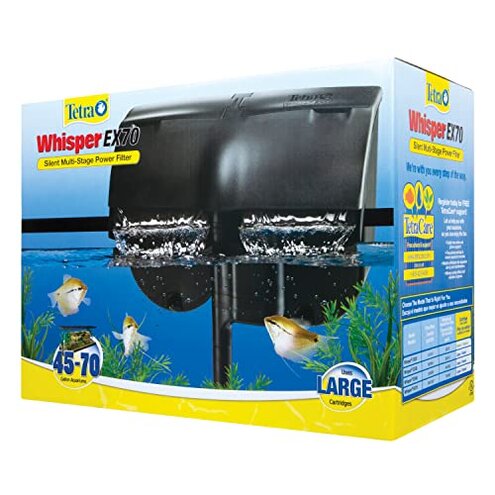
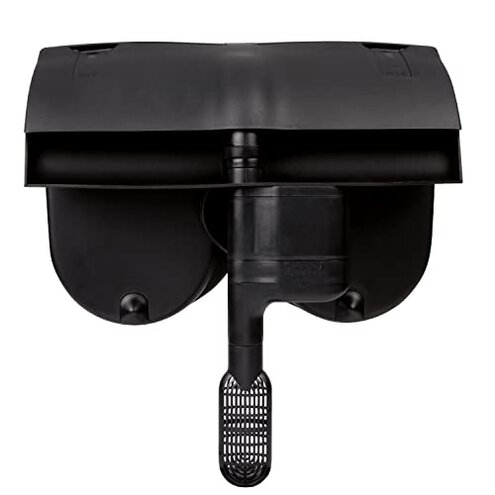
Product evaluated: Tetra Whisper EX 70 Filter For 45 To 70 Gallon aquariums, Silent Multi-Stage Filtration, WHITE
Related Videos For You
How to Install a Sponge Filter + 3 Bonus Tips
The Simple Secret to Keep Your Aquarium Clean!
Data basis: This report aggregates feedback from dozens of written product reviews and several video demonstrations collected between 2015 and 2024. Most feedback came from written reviews, supported by video breakdowns and photo reports.
| Outcome | Tetra Whisper EX | Typical mid-range filter |
|---|---|---|
| Noise level | Higher-than-expected noise and vibration reported during daily use. | Quieter operation is common for mid-range models. |
| Maintenance | Frequent cartridge changes and clogging reduce uptime. | Less frequent filter servicing is typical. |
| Leak risk | Occasional leaks during cartridge swaps and after months of use. | Lower risk with more robust seals in peers. |
| Setup & priming | Easy initial setup but performance issues appear soon after. | Reliable flow after setup with less follow-up fuss. |
| Regret trigger | Noise + maintenance combine into repeated disruption and extra cost. | Maintenance burden is milder and less noisy. |
Why does the filter sound louder than advertised?
Regret moment: Users report the filter produces noticeable humming and vibration during normal operation.
Pattern: This issue is commonly reported and appears repeatedly after the first few weeks of use.
Usage anchor: The noise usually becomes obvious during daily operation and when the unit runs continuously overnight.
Category contrast: This feels worse than expected because most mid-range hang-on-back filters stay unobtrusive in living rooms and bedrooms.
Does the unit clog or slow down quickly?
- Early sign: Flow reduction shows up within days to weeks of installation.
- Frequency tier: This is a primary issue for many users, not a rare complaint.
- Cause clue: Cartridge design traps debris but also blocks easily under normal bioload.
- Impact: Reduced flow stresses biological filtration and requires extra monitoring.
- Attempted fixes: Users report manual rinsing and more frequent swaps as common workarounds.
Are leaks or drips a real risk?
- Reported pattern: Leaks appear occasionally across different units and installations.
- When it shows: Leaks most often occur during cartridge changes or after months of use.
- Severity: This is a secondary issue but can cause noticeable mess for cabinet-placed tanks.
- Hidden requirement: Proper seat alignment and hand-tightening are needed to avoid leaks.
- Why worse: Mid-range filters usually tolerate rougher swaps without dripping, making this model less forgiving.
- Mitigations: Keep towels nearby and check seals after every change.
Will ongoing cartridge costs and compatibility be a problem?
- Hidden cost: Regular cartridge replacements are a persistent ongoing expense tied to performance.
- Compatibility issue: Aftermarket options are less common, making OEM swaps the safe route.
- When it matters: Cost pressure rises with medium to heavy bioloads that demand frequent swaps.
- Impact on ownership: This is a primary ownership pain for budget-conscious aquarists.
- Attempts to reduce cost: Rinsing cartridges helps short-term but reduces filtration quality.
- Why worse: The need for frequent official cartridges makes total cost higher than most mid-range alternatives.
- Workaround: Plan cartridge purchases ahead and factor cost into the budget before buying.
Illustrative excerpts
"Hums loudly at night, woke my partner repeatedly." — reflects a primary pattern
"Flow slowed after two weeks, had to rinse constantly." — reflects a primary pattern
"A small drip each time I change the cartridge." — reflects a secondary pattern
Who should avoid this
- Quiet-focused buyers: Avoid if you need a truly silent filter for bedrooms or living rooms.
- Low-maintenance owners: Avoid if you want infrequent cleaning and low cartridge costs.
- Cabinet setups: Avoid if your tank sits in closed furniture where leaks cause damage.
Who this is actually good for
- Budget starters: Good for beginners who accept extra fiddling to save on initial price.
- Open-shelf tanks: Good if the aquarium is in a space where noise and occasional drips are less disruptive.
- Hobby tinkerers: Good if you don’t mind frequent cartridge checks and minor manual cleaning.
Expectation vs reality
Expectation: Buyers reasonably expect a "whisper" quiet filter for medium tanks.
Reality: The unit often runs with noticeable hum and vibration, louder than most mid-range competitors.
Expectation: Routine cartridge swaps should be occasional for a 45–70 gallon filter.
Reality: Many users report more frequent cartridge changes and extra maintenance time.
Safer alternatives
- Choose canister filters: Pick a canister model to reduce noise and lower cartridge-change frequency.
- Look for sealed designs: Prioritize filters advertised for low leak risk and better-sealed cartridges.
- Check replacement part availability: Verify OEM cartridge stock before buying to avoid ongoing supply headaches.
- Read noise-focused reviews: Cross-check noise reports from real users when quiet operation matters.
The bottom line
Main regret: The combination of noticeable noise and frequent cartridge maintenance is the core buyer disappointment.
Why it matters: These issues make ownership more disruptive and costly than is typical for mid-range aquarium filters.
Verdict: Avoid if you need quiet, low-maintenance performance; consider sturdier mid-range alternatives instead.
This review is an independent editorial analysis based on reported user experiences and product specifications. NegReview.com does not sell products.