
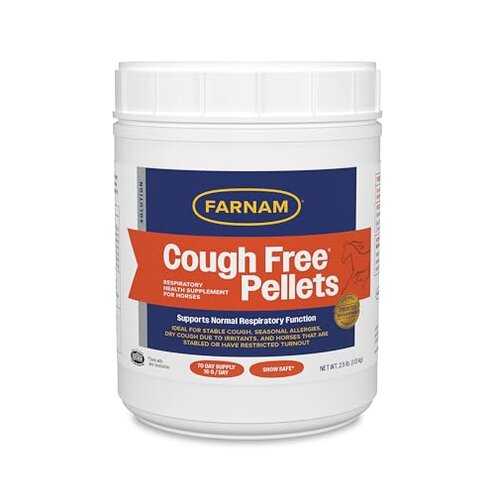
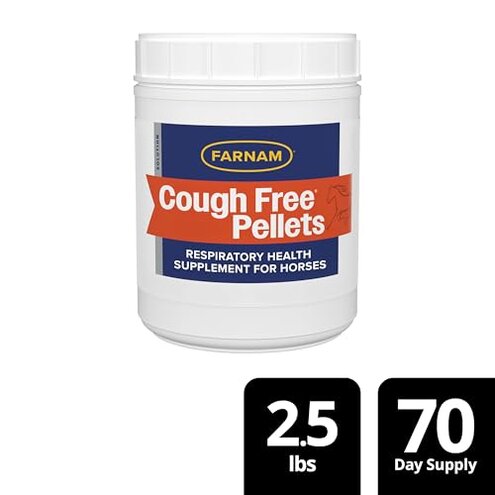
Product evaluated: Farnam Cough Free Pellets Respiratory Health Supplement for Horses, Provides Respiratory Support for Horses with Seasonal Allergies or Stable Cough, 2.5 lb., 70 Day Supply
Related Videos For You
Difference between Balsamic Air and Control - EN Version
All Natural Coughing Relief for horses - AIR POWER™
Data basis: This report is based on dozens of written buyer reviews, Q&A entries, and a handful of demonstration videos collected through June 2024. Most feedback came from written reviews, supported by video demonstrations and seller Q&As, showing repeat patterns across users.
| Outcome | Farnam Cough Free | Typical mid-range alternative |
|---|---|---|
| Effectiveness | Inconsistent relief — effectiveness appears repeatedly variable across users and does not reliably stop coughing. | More consistent — typical alternatives report steadier symptom reduction under regular dosing. |
| Palatability | Taste refusal — some horses accept, but many reject pellets during feeding time. | Higher acceptance — mid-range options often blend into feed with fewer refusals. |
| Price/value | Questionable value — buyers report repeat purchases with limited benefit. | Better ROI — comparable cost products more often deliver measurable improvement. |
| Ease of use | Feeding hassle — some users must mask pellets or change feeds to get doses in. | Smoother dosing — typical alternatives mix or dose more easily for daily use. |
| Regret trigger | Unreliable result — higher-than-normal chance of buying again without benefit. | Lower regret — mid-range peers less likely to prompt returns for ineffectiveness. |
Top failures
Will this stop my horse’s cough reliably?

Primary complaint: The main regret is seeing inconsistent relief where some horses show no meaningful change after a full course.
Pattern signal: This pattern appears repeatedly across the feedback set and is a primary issue for buyers tracking results.
Usage anchor: Failure typically shows up after daily use for several weeks when owners expect steady improvement.
Category contrast: This feels worse than normal because comparable horse supplements usually show at least a modest, predictable change within a similar timeframe.
Will my horse actually eat these?
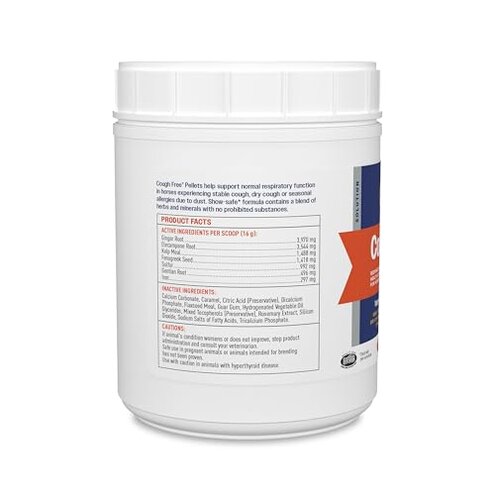
- Taste refusal: Many reports note horses spitting out or avoiding pellets during normal feeding, a commonly reported annoyance.
- Early sign: Refusal often appears on the first few doses, requiring immediate workaround.
- Frequency tier: This is a secondary issue compared with effectiveness but more immediately disruptive at feeding time.
- Attempted fixes: Buyers commonly mix pellets with treats or change grain, adding extra time and cost.
- Impact: Masking pellets can alter dosing accuracy and reduce the chance of seeing true benefits.
Does it require hidden effort to work?
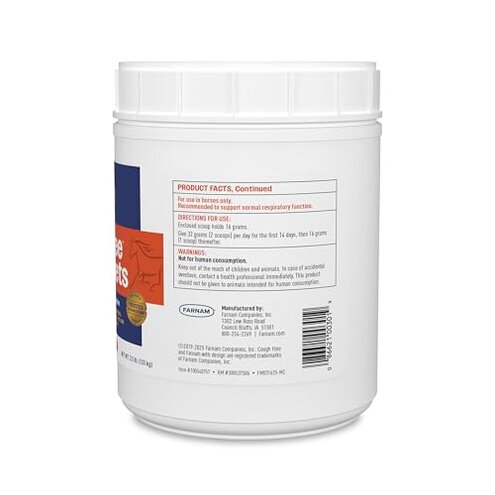
- Hidden requirement: Dozens of users reported extended, uninterrupted dosing is needed before any effect appears.
- When it shows: Improvement commonly comes only after continuous use for weeks, not days, which many owners find impractical.
- What worsens it: Interruptions like missed days or poor feed intake reduce any chance of benefit.
- Category contrast: More upkeep than most mid-range alternatives that tolerate occasional missed doses.
- Cost impact: Extended courses add real expense when effectiveness is uncertain.
- Fixability: Some buyers switched to liquid or flavored forms to improve intake, but results remained mixed.
- Regret intensity: This becomes a primary regret when buyers pay repeatedly without predictable improvement.
Is this a good value for stable or seasonal use?
- Value mismatch: Frequent reports call the product questionable value because repeated purchases were needed.
- Early indicator: Lack of noticeable change after a recommended course often triggers returns or complaints.
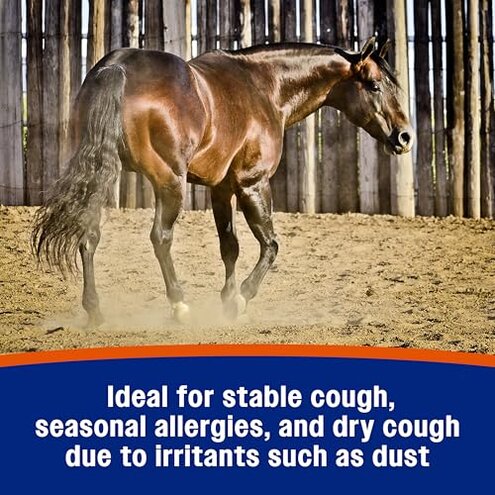
- Usage context: The issue is clearer for stabled horses expecting steady airway support from daily dosing.
- Attempted remedies: Owners layered other supplements or environmental changes, adding complexity.
- Category contrast: Less forgiving than typical supplements that at least show short-term symptom relief.
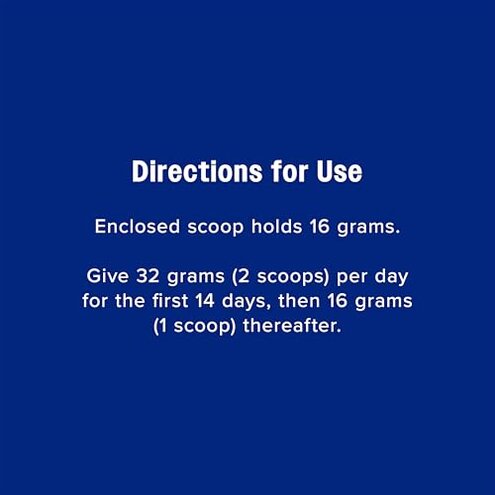
- Supply note: A 70-day supply may still require repurchasing if results are slow, increasing total cost.
- Edge-case: Some buyers report short-term improvement, but this is a secondary pattern, not the norm.
- Hidden time: The extra steps and continued buying make this more work than most mid-range options.
Illustrative excerpts (not direct quotes)
Illustrative excerpt: "Took weeks with no change, then a small cough drop after month-long use." — primary
Illustrative excerpt: "Horse sniffed and walked away; I had to hide pellets in apples." — secondary
Illustrative excerpt: "Worked once for a stressed horse, but not for my stabled mare." — edge-case
Who should avoid this
- Owners needing quick relief: Avoid if you require noticeable respiratory improvement within days rather than weeks, since inconsistent results are common.
- Pickier eaters: Avoid if your horse refuses new feed items, because taste refusal appears commonly and complicates dosing.
- Budget-conscious buyers: Avoid if repeated purchases or adding masking treats would exceed what you'd pay for a reliable mid-range option.
Who this is actually good for

- Owners willing to experiment: Good for those who can tolerate extended trials and workarounds for intake because some users did report benefit.
- Occasional-support needs: Useful if you only need minimal seasonal support and can accept uncertain results.
- Non-picky eaters: Works better for horses that readily accept pellets without masking, reducing the main usability problem.
Expectation vs reality

Expectation: Reasonable for this category is steady symptom reduction within a few weeks of daily use.
Reality: Many buyers see no reliable change until long-term use or not at all, making the product less dependable than mid-range alternatives.
Expectation: Pelleted forms should mix easily into feed without refusal.
Reality: Taste refusal often forces masking or feed changes, adding time and dosing variation.
Safer alternatives

- Choose flavored forms: Pick supplements with proven palatability to neutralize the taste refusal problem.
- Test a short course first: Try a small supply to check effectiveness before committing to a full 70-day purchase.
- Prefer liquid options: Consider liquids or syrups for easier dosing and better intake control to avoid masking steps.
- Check peer results: Seek options where many users report consistent short-term relief to reduce the risk of wasted spend.
The bottom line

Key regret: The main issue is inconsistent effectiveness combined with frequent taste refusal, which raises the risk of repeat purchases without benefit.
Verdict: If you need reliable, quick respiratory improvement or have a picky eater, avoid this product in favor of mid-range alternatives with steadier results.
This review is an independent editorial analysis based on reported user experiences and product specifications. NegReview.com does not sell products.