
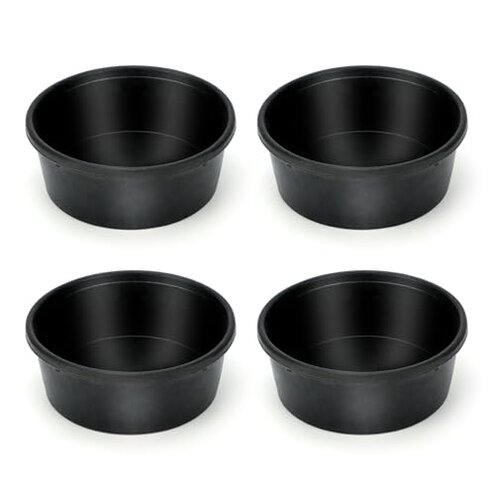
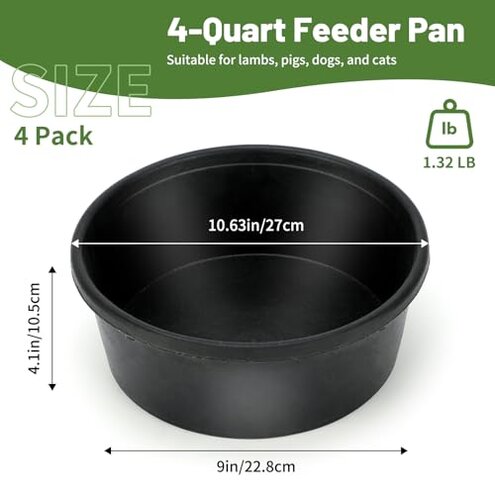
Product evaluated: GINDOOR 4Pcs Rubber Feed Pan, 1 Gallon Horse Feed Bucket Utility Feed Bucket, 10.6 x 4.1Inches Rubber Bowl Chicken Dust Bath Livestock Water Bowl for Pig Goat Chicken Dogs Farm Small Animal
Related Videos For You
Crafting Chicken Feed: The Ultimate Recipe for Healthy, Happy Hens!
feeder fitting short
Data basis: This report is based on dozens of written reviews, supported by video demonstrations and customer Q&A collected between Jan 2024 and Jan 2026. Most feedback came from written reviews, with video checks used to confirm visible wear and odor claims.
| Outcome | GINDOOR 4-pack | Typical mid-range feed pan |
|---|---|---|
| Initial smell | Strong chemical odor on arrival that often requires airing out. | Mild or no odor out of the box in most mid-range options. |
| Durability | Recurring tears or deformation reported after repeated use or sun exposure. | More robust lifespan with fewer reports of splitting under similar conditions. |
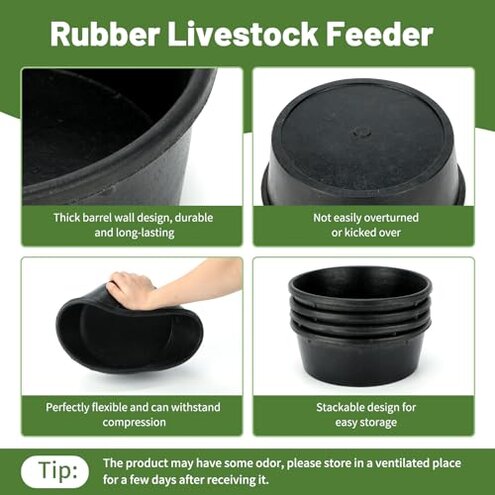
| Stability & fit | Stackable but floppy — can tip or spill with active animals. | Stiffer sides and wider bases reduce tipping in comparable bowls. |
| Regret trigger | Smell + early wear combine to create replacement and airing tasks buyers didn't expect. | Minor setup tasks like rinsing are usually sufficient; long-term replacement is less common. |
| Higher-than-normal risk | Product odor and wear present a greater-than-typical nuisance and maintenance burden for this category. | Typical risk is low: occasional cleaning, rare premature failure. |
Why is the smell unbearable out of the box?
Odor is commonly reported as the most frustrating first-use problem, and it often makes buyers delay use.
Usage context: The smell appears on arrival and frequently persists through the first several days unless actively ventilated.
Category contrast: This is worse than normal because most mid-range feed pans only need a quick rinse, while this product may need an extended airing period.
Will this tear or deform with regular use?
- Pattern: Recurring reports show early wear after weeks to months of daily use.
- When it shows: Problems often appear after sunlight exposure or heavy animal contact.
- Why it matters: Buyers face replacement costs sooner than expected for mid-range alternatives.
- Fix attempts: Users tried rotating pans or limiting sun exposure but found limited improvement.
Does the shape and size cause spills or tipping?
- Early sign: Slight floppiness at the rim when lifting or when animals nudge it.
- Frequency tier: This is a secondary issue seen repeatedly but not universal.
- Usage anchor: Tipping happens during active feeding or when used with larger animals.
- Cause: Thin side walls and flexible rubber lead to loss of shape under pressure.
- Impact: Expect spills and extra cleanup compared with stiffer mid-range bowls.
- Workaround: Weighing down or placing in a recessed feeder reduces tipping but adds hidden setup steps.
Is cleanup and long-term hygiene a pain?
- Frequency: Regular cleaning issues are a seen repeatedly complaint after repeated use.
- Early sign: Stains and odors can build up after several uses if not cleaned immediately.
- Cause: Flexible rubber traps grime in creases, increasing scrubbing time.
- Impact: This leads to more maintenance than expected for similar-priced pans.
- Attempts: Users report soaking and vinegar rinses help but require extra steps.
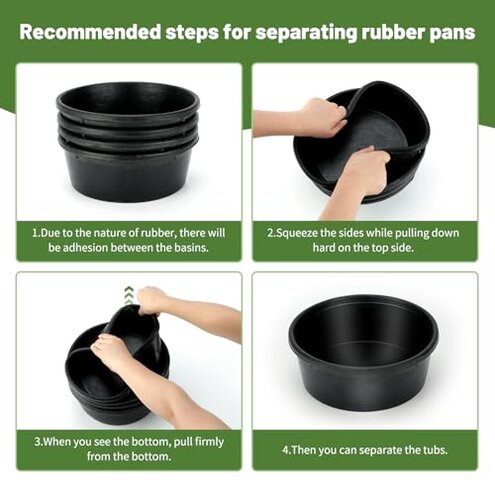
- Hidden requirement: Buyers commonly must air out new pans for days to reduce initial odor before use.
- Repairability: Tears are not easily fixable, so cleaning will not solve all longevity issues.
Illustrative excerpts (not real quotes)
Illustrative: “Strong chemical odor on first day forced me to air out for a week.” — Primary
Illustrative: “Edge started to fold and spill with goats after a month of use.” — Secondary
Illustrative: “Needed heavy scrubbing to remove grease and dust from creases.” — Secondary
Who should avoid this
- Allergies or sensitivity: Buyers sensitive to chemical smells should avoid this due to an initial strong odor.
- High-activity animals: Owners of boisterous dogs, goats, or pigs should avoid this because tipping and early wear are more likely.
- Low-maintenance buyers: If you want low upkeep, avoid this product because it needs extra cleaning and airing.
Who this is actually good for
- Temporary use: Buyers needing short-term bowls for travel or events can tolerate short lifespan for the low price.
- Ventilated storage: If you can air out new pans for days, the odor problem becomes manageable.
- Light-duty animals: Small pets or birds with gentle use can accept flexible sides without frequent replacement.
Expectation vs reality
- Expectation (reasonable): A rubber feed pan should be ready after a quick rinse like most mid-range options.
- Reality: This product often needs days of airing and extra cleaning to reach acceptable smell and hygiene.
- Expectation (reasonable): Feed pans in this price range normally last several seasons under farm use.
- Reality: Reports show early deformation and tears that shorten useful life compared with peers.
Safer alternatives
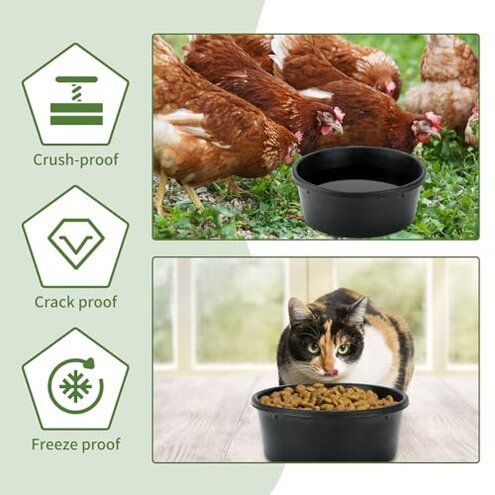
- Buy stiffer walls: Choose feed pans with rigid sides to reduce tipping and deformation.
- Check odor policy: Prefer sellers that offer pre-rinsed or low-odor product notes to avoid airing tasks.
- Material track record: Look for pans with proven UV resistance if they will sit in sunlight.
- Size fit: Match bowl diameter and depth to your animal to reduce spills rather than relying on flexible stock bowls.
The bottom line
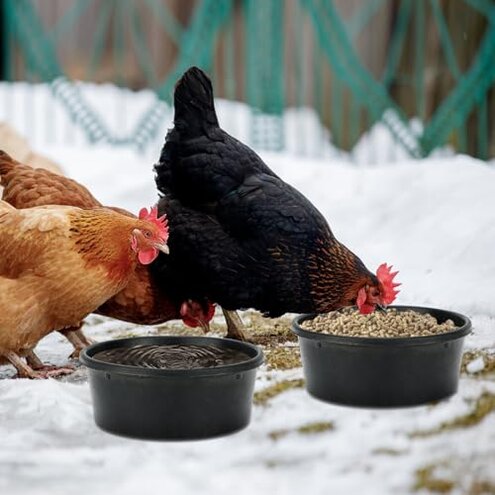
Main regret: The combined initial odor and early wear create unexpected cleaning and replacement work.
Risk level: These issues exceed normal category risk because they add both time and cost.
Verdict: Avoid this product if you want low maintenance, stable shape, and minimal smell; it may be acceptable for temporary or ventilated uses.
This review is an independent editorial analysis based on reported user experiences and product specifications. NegReview.com does not sell products.