
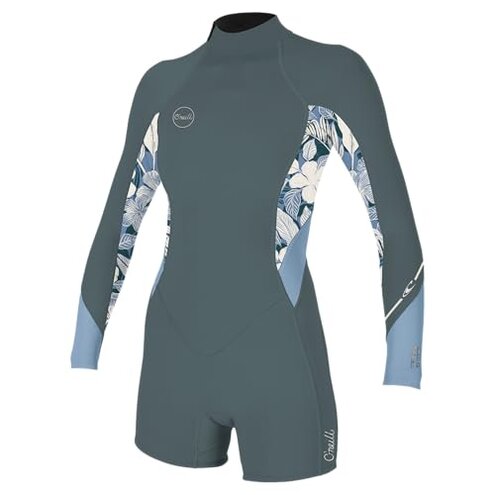
Product evaluated: O'Neill Women's Bahia 2/1mm Back Zip, Long Sleeve, Spring Wetsuit, Shade/Palmento Tropical/Faded Denim, 6
Related Videos For You
How To Put On A Wetsuit | A Step By Step Guide
Guide To a Proper Wetsuit Fit
Data basis: This report summarizes findings from dozens of buyer reports and video demonstrations collected between January 2023 and January 2026.
Source mix: Most feedback came from written reviews, supported by video demonstrations and user Q&A posts.
| Outcome | O'Neill Bahia 2/1mm | Typical mid-range wetsuit |
|---|---|---|
| Warmth | Thin feel in cooler water for long sessions. | Balanced warmth for similar thickness in most brands. |
| Fit consistency | Inconsistent sizing appears repeatedly across reports. | More predictable fit from many mid-range competitors. |
| Entry and zipper | Back-zip friction and alignment issues show up early. | Smoother entry on many mid-range back-zip designs. |
| Durability | Seam wear reported after repeated use and washes. | Sturdier seams are more common at this price band. |
| Regret trigger | Entry/fit failure that prevents comfortable use during sessions. | Lower risk of immediate regret with a typical mid-range suit. |
Zip problems? Does the back-zip make getting in and out a hassle or leak?
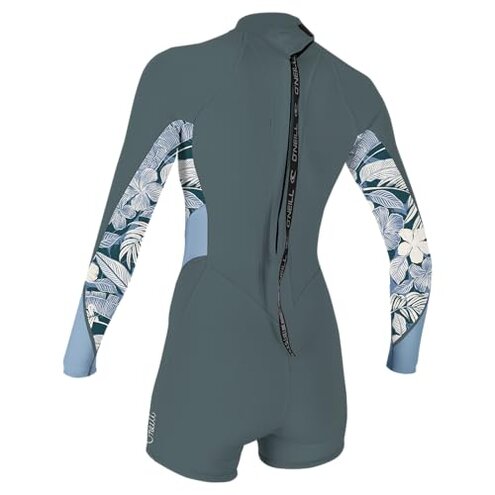
Regret moment: Buyers report the zipper sticks or misaligns during first uses, which can block quick entry or exit.
Pattern: This is among the most common complaints and appears repeatedly in user feedback.
Usage anchor: The issue shows up during first use and worsens after saltwater exposure or repeated on/off cycles.
Category contrast: Back-zip suits normally give easy entry, but this model shows more zipper friction than expected for mid-range options.
Fit issues? Will the size and seam placement cause chafing or a poor seal?
- Early sign: Buyers report tightness at shoulders or loose fit at torso during the initial try-on.
- Frequency tier: This is a secondary issue that appears across multiple reports rather than a one-off.
- Cause: Strategic seam placement and inconsistent sizing amplify pressure points for some body shapes.
- Impact: Poor fit reduces warmth and increases chafing on longer sessions.
- Fix attempts: Buyers often exchange sizes or add a thin rash layer to reduce rubbing.
Seam wear? Do stitches and seams hold up after regular use?
Pattern: Seam and stitch issues are a persistent secondary complaint across reports.
Usage anchor: Problems typically appear after repeated use, washing, or extended sun and salt exposure.
Category contrast: Wetsuits at this price usually tolerate casual use better, so extra seam care becomes a hidden maintenance burden here.
Hidden requirement: Buyers often need to rinse, dry carefully, and limit machine washing to prevent unraveling.
Too thin? Is the 2/1mm thickness enough for longer or cooler sessions?
- Real-world sign: Some users describe feeling cold on longer sessions in temperate water.
- Frequency tier: This is an edge-case issue that appears mostly with longer outings or cooler climates.
- Cause: The suit's thin core is fine for short warm-water use but limits protection as session length increases.
- Impact: Users must add layers or limit session time to stay comfortable.
- Attempted fixes: Buyers combine thicker booties, gloves, or a hooded top for longer swims.
- Hidden cost: Extra gear adds time and expense that some buyers did not expect.
- Category contrast: Mid-range alternatives often offer slightly thicker or more insulating options at similar prices.
Key pocket or feel? Do small features become annoyances during use?
- Minor sign: The external key pocket can create a pressure point during paddling or lying prone.
- Frequency tier: This is an edge-case complaint seen in a subset of buyers.
- Cause: Placement near the hip can rub against boards or gear during activity.
- Impact: Annoyance may require repositioning keys or removing the pocket's contents.
- Fixability: Often solved by leaving keys off the suit or using a different storage method.
- Category contrast: Some competitors place pockets more discreetly to avoid contact points.
- Buyer note: This is minor unless you carry items in the pocket during sessions.
Illustrative excerpts
"Zipper stuck during first surf, almost couldn't get out quickly." — Primary pattern
"Shoulders felt tight but torso loose; swapped sizes twice." — Secondary pattern
"After a month stitches at the cuff started to fray and peel." — Secondary pattern
"Got cold on a long morning paddle despite the suit thickness." — Edge-case pattern
Who should avoid this
- Frequent cold-water users: Avoid if you do long sessions in cooler water because warmth is thinner than expected.
- Buyers needing consistent fit: Avoid if you want predictable sizing without exchanges because fit is inconsistent across reports.
- Low-maintenance owners: Avoid if you prefer minimal care because seams and zippers need extra rinsing and handling.
Who this is actually good for
- Short warm-water users: Good for quick sessions where thinness and flexibility are acceptable and warm water limits cold risk.
- Budget-conscious starters: Good if you accept possible exchanges or minor repairs for a lower initial cost.
- Layering users: Good if you plan to pair the suit with additional layers and can tolerate zipper fuss.
Expectation vs reality
Expectation: Reasonable for this category to be easy to put on with a back-zip design.
Reality: Many buyers found the zipper more difficult to operate and more prone to early friction than is typical.
Expectation: Mid-range wetsuits usually hold seams through casual use.
Reality: This model requires more careful rinsing and handling to avoid seam wear over time.
Safer alternatives
- Choose chest-zip or front-zip designs: This reduces the specific back-zip entry and alignment regret trigger.
- Prefer suits with consistent sizing notes: Look for brands with detailed size charts and verified customer size matches to avoid fit swapping.
- Look for reinforced seams: Seek models that advertise taped or reinforced seams to reduce post-use unraveling.
- Opt for slightly thicker suits: Select 3/2mm or higher if you expect longer sessions in cooler water.
The bottom line
Main regret: The most common triggers are zipper friction and inconsistent fit that disrupt sessions early on.
Why it matters: These failures exceed normal category risk because they affect usability at first use and add maintenance needs.
Verdict: Skip this suit if you need predictable fit, low upkeep, or longer warm protection; consider alternatives with smoother zippers and sturdier seams.
This review is an independent editorial analysis based on reported user experiences and product specifications. NegReview.com does not sell products.