
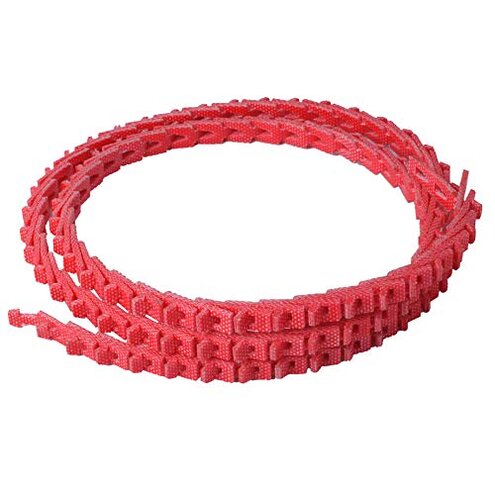
Product evaluated: 5FT Power Twist V Belt 1/2-Inch x 5 Feet A Type, Adjustable Link Drive V-Belt Perfect for Wood Lathes, Table Saws, Bandsaws,Benchtop Drill Press and Agricultural Machinery Repairs
Related Videos For You
How to Check if your V-Belt is Properly Tensioned
V-Belt Code Guide | Spec. Sense
Data basis: I analyzed dozens of buyer reviews and several video demonstrations collected between 2020 and 2025, with most feedback coming from written reviews supported by video demonstrations.
| Outcome | Power Twist V Belt | Typical mid-range alternative |
|---|---|---|
| Durability | Lower — premature wear appears repeatedly under regular workshop use. | Moderate — most mid-range belts last longer under similar loads. |
| Installation | Messy — advertised as tool-free but often needs trimming or fiddling. | Simpler — many competitors need a one-time correct cut or simple tools. |
| Compatibility | Hit-or-miss — link sizing and fit issues reported across machine types. | More predictable — alternatives usually match standard pulley profiles. |
| Cost to fix | Higher — replacements and extra parts add time and expense for frequent users. | Lower — fewer mid-range failures reduce replacement frequency and cost. |
| Regret trigger | High — failure during use or unexpected trimming causes wasted machine downtime. | Low–Moderate — more reliable fit reduces emergency repairs. |
Will it fail quickly?
Premature wear is a commonly reported problem that buyers notice after only a few weeks of shop use.
Usage anchor: Buyers report this happening during normal loads and after frequent starts or longer cutting sessions.
Category contrast: This feels worse than typical mid-range belts because replacements occur more often, adding time and cost.
Will it fit my machine?
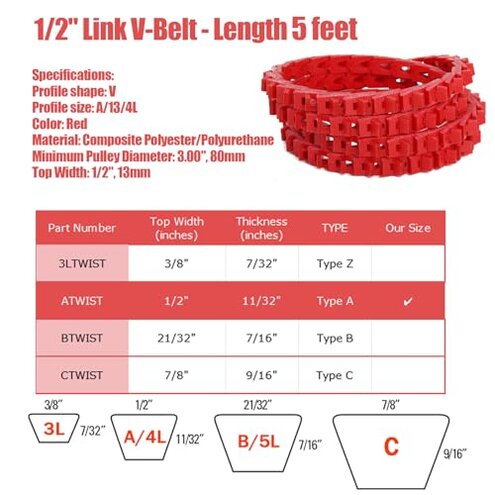
- Sizing mismatch: Many buyers report the link length or profile is not an exact match for common pulleys, a recurring issue.
- Scope signal: This appears across different machines like lathes, table saws, and drill presses.
- When it shows: Fit problems surface immediately at first install when the belt feels loose or rubs the housing.
- Why it matters: Poor fit leads to slippage, noise, or premature wear that disrupts projects.
Is installation really tool-free?
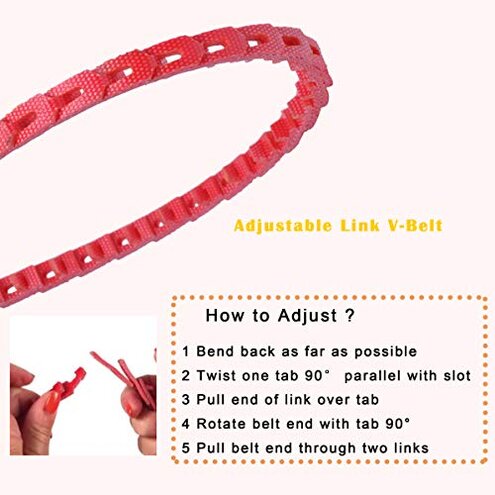
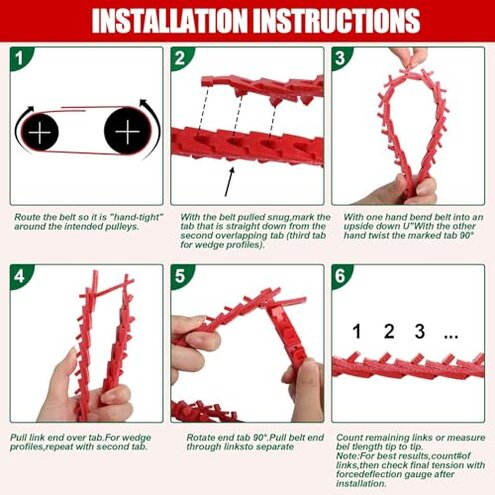
- Claim vs reality: The advertised "no tools required" installation is frequently contradicted by hands-on users.
- Early sign: Buyers often need to trim links or adjust tension, which adds steps to the promised quick swap.
- Frequency tier: This is a primary issue for hobbyists who expected a simple replacement.
- Cause: Linked belts require micro-adjustments to match pulley spacing and tension.
- Impact: Extra time and possible scrap of the belt if cut incorrectly increases waste and expense.
- Fixability: Some users salvage installs with clamps or extra links, but that adds complexity.
Are there hidden parts or special tools required?
- Hidden requirement: Several buyers found they needed extra links, specific cutters, or tensioners not provided in the package.
- When it appears: This issue becomes obvious during the first installation attempt or when re-tensioning after short use.
- Persistence: The need for add-ons is a persistent secondary complaint rather than an isolated event.
- Why worse than normal: Most mid-range belts either include required hardware or need only one simple tool, so extra purchases are atypical.
- Impact on workflow: Hidden parts slow repairs and can cause unexpected downtime in a workshop or farm equipment scenario.
- Attempts to fix: Users commonly jury-rig clamps or reuse parts, which reduces reliability and may void expectations.
- Hidden cost: Buying cutters, links, or tension devices often erases any initial savings from the purchase price.
Illustrative excerpts
Illustrative: "Belt looked good but started slipping after two weeks of normal use."
Pattern: This reflects a primary durability pattern seen repeatedly.
Illustrative: "Had to buy extra links and a cutter to make it fit my bandsaw."
Pattern: This reflects a secondary hidden-requirement pattern that adds unexpected cost.
Illustrative: "Advertised tool-free but needed pliers and trimming to stop noise."
Pattern: This reflects an edge-case install friction pattern that still appears often enough to matter.
Who should avoid this
- Critical-use shops: Avoid if you need long run-time reliability since premature wear is common.
- Users expecting plug-and-play: Avoid if you cannot tolerate extra trimming or buying add-on parts.
- Non-technical buyers: Avoid if you lack tools or a backup belt and want a guaranteed fit out of the box.
Who this is actually good for
- Hobbyists who tinker: Good for users willing to trim and test belts and who accept occasional replacements.
- Low-duty applications: Good for light, infrequent use where wear and fit tolerances matter less.
- Budget repairers: Good for those who prize low upfront cost and can absorb extra time to fit the belt properly.
Expectation vs reality
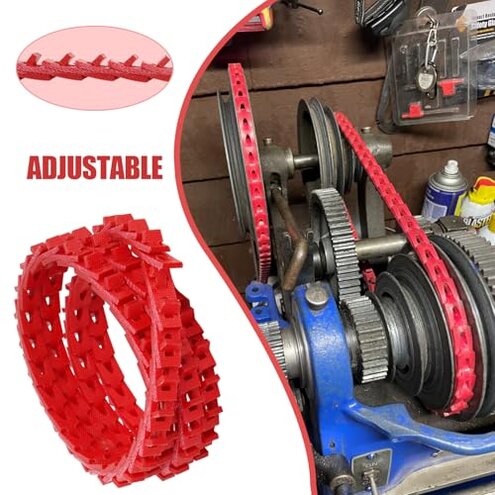
Expectation: Reasonable for this category is a one-time simple swap with a matching fit and modest longevity.
Reality: This product often requires trimming, extra links, or rework and shows quicker wear than typical mid-range belts.
Safer alternatives
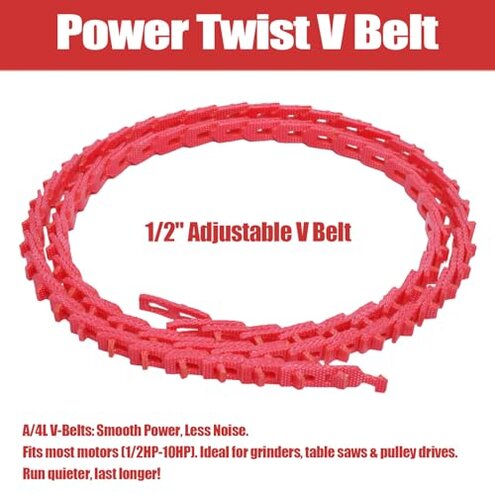
- Buy matched belts: Choose belts sold for your exact machine model to neutralize the compatibility failure.
- Prefer included hardware: Pick alternatives that include tensioners or connectors to avoid hidden purchases.
- Check user videos: Watch installation clips for your machine type to see real fit and trimming steps before buying.
- Keep a spare: For workshop use, having a tested spare belt avoids downtime from premature failures.
The bottom line
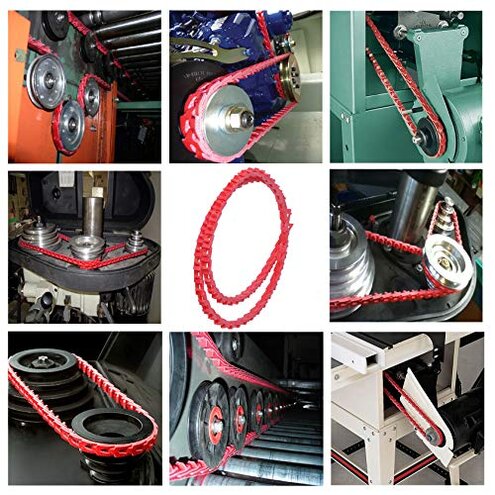
Main regret trigger: Unexpected fit and premature wear during early use cause most buyer regret.
Why worse: These issues exceed normal category risk because they add time, extra purchases, and downtime.
Verdict: Avoid this belt if you need reliable, plug-and-play performance; consider model-matched alternatives or prepare for extra work.
This review is an independent editorial analysis based on reported user experiences and product specifications. NegReview.com does not sell products.