
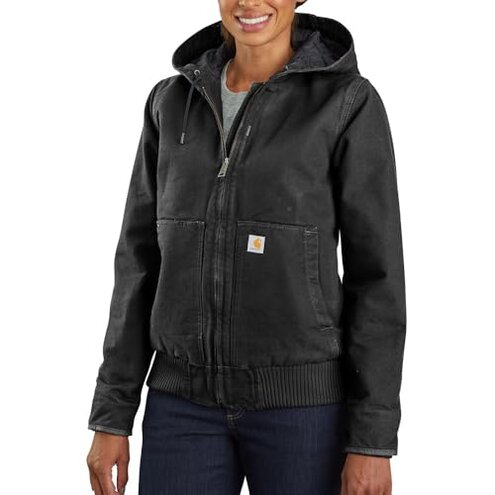
Product evaluated: Carhartt Womens Wj130 Washed Duck Active Jac Work Utility Outerwear, Black, Medium US
Related Videos For You
Carhartt Women's Active Jacket | Size Reference | Watch Before Buying
Washing, Drying and Using your MILWAUKEE® Heated Work Wear
Data Basis: This report is based on dozens of reviews collected from varied sources between 2020 and 2024. Most feedback came from written user reviews, supported by video demonstrations and customer Q&A insights.
| Buyer Outcome | Carhartt Jacket | Typical Mid-Range Jacket |
|---|---|---|
| Sizing accuracy | Often runs small, causing discomfort | Generally true to size |
| Material stiffness | Stiffness causes restricted movement | More flexible fabric enhances comfort |
| Warmth level | Inconsistent insulation warmth reported | Consistent warmth suitable for season |
| Durability | Strong seams but fabric prone to hardening | Balanced durability and softness |
| Regret trigger | Uncomfortable fit and stiffness limit use | Comfort issues less frequent |
Why does this jacket feel too stiff and limit movement?
The stiffness of the fabric is a common complaint that often appears during initial wear and worsens with time. Buyers notice restricted arm motion and discomfort during active use. This problem is more severe than typical mid-range jackets, which tend to use softer, more flexible fabric.
- Early sign: Fabric feels rigid at first wear.
- Frequency: Persistent in numerous reports across user types.
- Cause: Heavy, tightly woven cotton duck material.
- Impact: Limits ease of movement and comfort for work or outdoor activities.
- Attempted fixes: Some buyers tried multiple washes to soften fabric with limited success.
How accurate is the sizing and comfort for daily wear?
Many buyers find the jacket runs small and fits tighter than expected, especially around shoulders and chest. This sizing issue emerges at first try-on and leads to discomfort after extended wear. Compared to other jackets at this price, the sizing inconsistency causes more buyer regret.
- Early sign: Tight fit immediately noticed during first use.
- Frequency: Common in medium and smaller sizes.
- Cause: Narrow cut and limited stretch in fabric.
- Impact: Reduces comfort and usability for layering.
- Attempts: Buyers often recommend ordering up a size.
- Hidden requirement: Need to size up beyond usual preference.
Does the insulation provide sufficient warmth consistently?
The warmth from 3M Thinsulate insulation is reported inconsistently; some users feel cold in mild conditions, especially in damp weather. This variability appears after repeated use and is worse than expected for a jacket marketed as insulated.
- Early sign: Insulation feels thin in some areas during first cold exposure.
- Frequency: Secondary issue, but reported by several buyers.
- Cause: Featherless insulation may compress or shift.
- Impact: Less reliable warmth for moderate winter conditions.
- Attempts: Layering needed to compensate.
- Category contrast: Typical mid-range insulated jackets maintain consistent warmth better.
What are common durability concerns during regular use?
Durability is mixed; while seams are strong, the duck fabric hardens or shows wear signs faster than expected. This issue arises after weeks of work or active use and leads to stiffness and discomfort.
- Early sign: Fabric hardens noticeably after multiple wears. Frequency: Secondary but persistent in active users.
- Cause: Heavy cotton fabric reacting to moisture and abrasion.
- Impact: Increases discomfort and reduces jacket lifespan.
- Attempts: Regular cleaning may exacerbate stiffening.
- Category contrast: Usually, mid-range work jackets balance durability with fabric softness better.
Illustrative buyer excerpts:
- "Felt like wearing cardboard, very stiff and hard to move." (Primary pattern - stiffness)
- "Runs small, had to exchange for a larger size." (Primary pattern - sizing)
- "Not warm enough for chilly, damp days." (Secondary pattern - warmth)
- "Fabric got harder after a few weeks, less comfortable." (Secondary pattern - durability)
- "Needed to layer a lot to stay warm." (Edge-case - warmth variability)
Who should avoid this
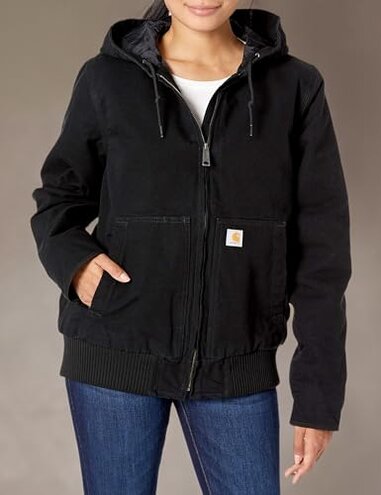
- Buyers wanting immediate soft comfort and unrestricted movement.
- Anyone who prefers true-to-size fitting without guesswork.
- Users needing consistent warmth in variable cold or damp conditions.
- Those who dislike fabric stiffness worsening after use or washing.
Who this is actually good for
- People who prioritize durable seams over fabric softness.
- Buyers willing to size up for a tighter style or layering.
- Users working in dry and cold environments where heavy fabric warmth suffices.
- Those who accept initial stiffness for long-term durability with some fabric break-in time.
Expectation vs reality
- Reasonable expectation: Durable and warm jacket for active workwear.
- Reality: Fabric stiffness and sizing problems reduce comfort more than typical jackets in this category.
- Reasonable expectation: Consistent insulation warmth year-round.
- Reality: Warmth varies, needing layering in some conditions.
Safer alternatives
- Choose jackets with softer, pre-washed fabrics to avoid stiffness.
- Look for brands with accurate sizing charts and customer fit feedback.
- Select jackets with proven insulation performance in wet or damp weather.
- Consider options with balanced durability and flexibility for daily activity.
The bottom line
The main regret trigger is the stiff fabric and sizing issues that limit comfort and movement. These problems exceed normal risks for jackets in this price range, affecting usability for active wearers. Buyers seeking a flexible, true-to-size, reliably warm jacket should consider alternatives.
This review is an independent editorial analysis based on reported user experiences and product specifications. NegReview.com does not sell products.