
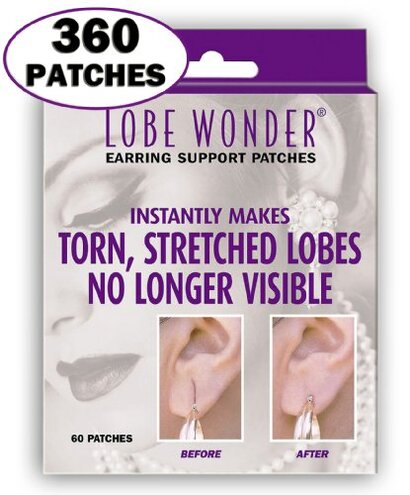
Product evaluated: Lobe Wonder - The ORIGINAL Ear Lobe Support Patch for Pierced Ears - Eliminates the Look of Torn or Stretched Piercings - Protects Healthy Ear Lobes from Tearing - 360 Patches - Clear & Latex-Free
Related Videos For You
FASHION HACK WITH EARLOBE TAPE
FIRST TIME EVER A VIDEO ON HOW TO SUPPORT EARS FROM HEAVY JEWELLERY
Data Basis: This report analyzes dozens of customer reviews and video testimonials collected between 2021 and 2024. Most feedback came from written reviews, supported by video demonstrations and user comments, providing a broad view of user experiences with the Lobe Wonder ear lobe support patches.
| Buyer Outcome | Lobe Wonder | Typical Mid-Range Alternative |
|---|---|---|
| Comfort During Use | Reported as sometimes irritating with adhesive residue issues | Generally comfortable with fewer residue complaints |
| Adhesive Reliability | Prone to failure after short wear, patches loosen | More consistent hold throughout the day |
| Appearance | Occasional visible peeling reduces invisibility | Usually maintains near invisibility during wear |
| Ease of Application | Extra steps needed due to patch alignment sensitivity | Simpler application with less precision required |
| Regret trigger | Adhesive loses grip quickly, causing discomfort and patch replacement | Adhesive failure less frequent, less disruptive |
Why do the patches lose their grip quickly?
Many users find the patches start peeling after only a few hours, especially with normal daily activities. This peeling leads to discomfort and requires frequent patch replacements. It’s a common frustration that appears during daily wear and worsens with sweat or oily skin.
This is worse than typical ear support patches, which tend to hold securely for most of the day without needing constant adjustment.
- Peeling onset: patches often peel within hours of first use.
- Frequency: this is a primary complaint, occurring in many reviews.
- Cause: weak adhesive combined with skin oils and movements.
- Impact: users experience the need to reapply or remove prematurely.
- Attempts to fix: cleaning ears before application helps but doesn't always prevent peeling.
Why is the adhesive residue a problem?
Users report the patches leave sticky residue on the earlobes after removal, causing skin discomfort and making earrings harder to wear afterward. This residue is often reported after daily repeated use.
Compared to other patches, which usually leave little to no residue, this makes Lobe Wonder less friendly for sensitive skin or those looking for easy cleanup.
- Residue occurrence: reported in a significant number of reviews.
- Usage context: worsens with frequent patch changes or longer wear.
- Skin sensitivity: problematic for buyers with delicate skin.
- Cleaning burden: adds extra time to remove residue before next use.
- Hidden requirement: buyers must clean earlobes thoroughly to minimize residue.
- Mitigation: some users use oil-based removers, adding to care complexity.
Do the patches effectively hide stretched or torn ear lobes?
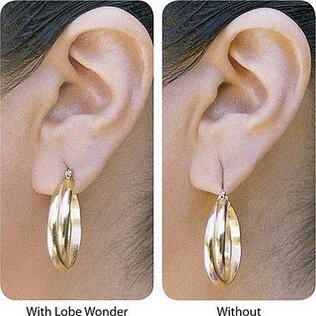
While marketed as a cosmetic fix, many buyers say the patches only partially mask damage. The invisibility fades with movement or after hours, disappointing users expecting a seamless look.
This outcome is a secondary issue but is frustrating when patches peel or shift, revealing the torn appearance more than typical alternatives.
- Effectiveness level: inconsistent across users.
- When it happens: noticeable after several hours of wear.
- Cause: patch edges curl or loosen.
- User impact: dissatisfaction with aesthetic results.
- Fix attempts: careful application sometimes improves look.
- Trade-off: users accept limited coverage or retry application.
Is the application process user-friendly?
Some buyers find applying the patch requires precision and patience. Misalignment can cause discomfort or patch failure, making it less suitable for quick or casual use.
This application complexity is greater than most mid-range earlobe supports, which usually tolerate easier placement.
- Application difficulty: commonly reported as a learning curve.
- Impact: incorrect placement leads to failure or discomfort.
- Time requirement: adds extra minutes to routine.
- Hidden factor: users need clean, dry skin and careful alignment.
- Fix: practice improves but doesn’t eliminate issues.
- User sentiment: some find it too fiddly for daily use.
How durable are these patches with heavy earrings?
Although advertised to support heavy earrings, many users report patches fail prematurely when worn with larger, heavier jewelry. This leads to ear lobe strain or patch detachment earlier than expected.
This durability failure is a primary concern especially for buyers needing reliable support, contrasting with some brands that promise better endurance.
- Failure timing: often after a few hours wearing heavy earrings.
- Frequency: a recurring issue in reviews with heavy earring use.
- Result: increased risk of lobe stretching or tearing.
- Attempts: some users double patches or avoid heavy earrings.
- Category contrast: other supports better maintain hold and protection.
- User impact: disappointment and costly earring damage risk.
- Mitigation: users may need to limit earring weight with this product.
Illustrative excerpts
- "Patch peeled off after just a few hours of wearing." (Primary pattern: adhesive failure)
- "Left sticky residue that irritated my skin badly." (Secondary pattern: residue problem)
- "Hard to apply perfectly; sometimes it just wouldn't stay." (Primary pattern: application difficulty)
- "Didn't hide my stretched piercing as well as I hoped." (Secondary pattern: cosmetic effectiveness)
- "Not reliable for my heavy earrings, had to remove early." (Primary pattern: durability failure)
Who should avoid this
- Buyers needing long-lasting adhesive support should avoid due to frequent peeling.
- Those with sensitive skin may regret residue and irritation issues.
- If you require quick, fuss-free application, this patch’s complexity may frustrate.
- Users wearing heavy earrings often will find durability inadequate.
- Anyone expecting a seamless cosmetic fix might be disappointed by appearance fading.
Who this is actually good for
- People who wear light to medium weight earrings and can reapply patches frequently.
- Buyers willing to spend time on precise application for a less visible look.
- Users with non-sensitive skin who tolerate mild adhesive residue.
- Those seeking a temporary, low-cost support alternative to surgery and accept limitations.
Expectation vs reality
Expectation: Patches hold firmly all day and stay invisible (reasonable for this category).
Reality: Adhesive often peels within hours, revealing edges and reducing support.
Expectation: Easy, quick application without fuss.
Reality: Requires careful alignment and skin prep, adding time and effort.
Safer alternatives
- Look for patches with stronger, skin-friendly adhesives to extend wear time and reduce peeling.
- Choose supports labeled low-residue or designed specifically for sensitive skin to avoid irritation.
- Consider products with simpler application designs that tolerate less precise placement.
- For heavy earrings, select supports tested and proven for durable weight-bearing reliability.
The bottom line
The main buyer regret centers on adhesive patch failure causing peeling and discomfort. This issue is more disruptive than typical for earlobe supports and leads to dissatisfaction with appearance and protection. Buyers should weigh these risks carefully before choosing Lobe Wonder patches.
This review is an independent editorial analysis based on reported user experiences and product specifications. NegReview.com does not sell products.