
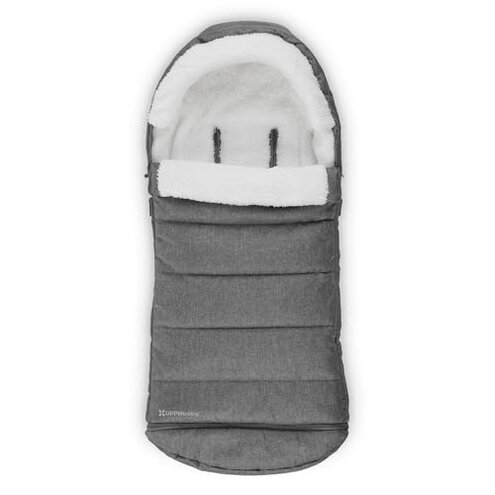
Product evaluated: UPPAbaby CozyGanoosh 2-in-1 Seasonal Footmuff - Easily Attaches to UPPAbaby Strollers and RumbleSeat – Versatile, Ultra-Plush Zip-Out Liner for Cold Weather – Jake (Charcoal)
Related Videos For You
how to use the bugaboo high performance footmuff
How to install Footmuff on your stroller
Data basis: This report uses dozens of aggregated buyer comments collected from written feedback and photo/video posts between early 2024 and early 2026. Most feedback came from written impressions, with lighter support from visual demonstrations showing real stroller use, install steps, and cold-weather fit concerns.
| Buyer outcome | CozyGanoosh | Typical mid-range option |
| Cold-weather coverage | Strong warmth, but only if the stroller and child fit line up well | Moderate warmth with more forgiving fit across several stroller types |
| Daily convenience | Lower convenience once straps, layers, and growth adjustments are involved | Simpler day-to-day use with fewer fit-specific steps |
| Compatibility risk | Higher-than-normal category risk because it is built around one stroller ecosystem | Lower risk if you switch strollers or reconfigure often |
| Cleaning effort | Manageable on paper, but bulk adds extra drying and reassembly time | Usually easier to remove, wash, and put back quickly |
| Regret trigger | Paying premium money, then still dealing with fit and access friction in daily use | Less regret if expectations center on convenience over brand matching |
Does it feel too fussy for quick stroller trips?
Primary issue: One repeated frustration is that the product can feel like too many steps for something meant to simplify cold walks. That trade-off feels more disruptive than expected in a category where parents usually want grab-and-go speed.
Pattern: This appears recurringly in daily-use feedback, especially after the first setup when families start loading and unloading a child often. It tends to worsen on short errands, daycare drop-offs, and temperature-changing days.
- Early sign: You notice setup friction the first few times you route straps and align the footmuff neatly.
- Frequency tier: This is a primary complaint, and it shows up more often than minor cosmetic concerns.
- Usage moment: The hassle shows up during daily in-and-out use, not just during first assembly.
- Why worse: Compared with a reasonable category baseline, this feels less forgiving when you need quick child access.
- Impact: Parents describe extra time adjusting layers, openings, or position after each ride.
- Attempted fix: Some users leave it partly open, but that can reduce the snug, warm feel they paid for.
- Fixability: It is partly manageable with routine, but it does not fully stop the repeated access burden.
Will the fit feel limiting as your setup changes?
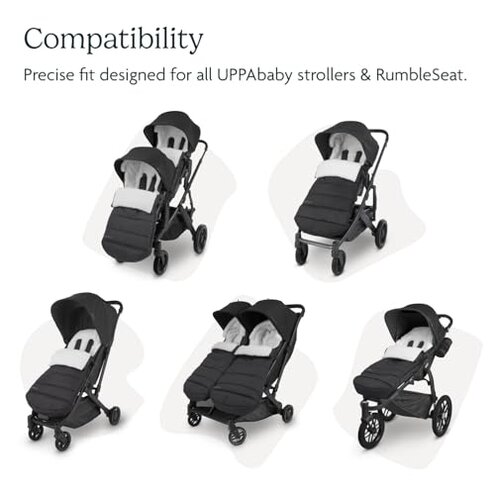
- Core risk: A common regret is the hidden requirement that this works best only inside the same stroller system.
- Pattern: This issue is persistent across compatibility-focused comments, though not universal for buyers who stay fully within one brand setup.
- When it hits: The problem appears after seat swaps, stroller changes, or when adding a second seat arrangement.
- Why it stings: In this category, some fit limitations are expected, but this can feel more restrictive than typical mid-range alternatives.
- Real impact: If your family changes configurations often, the product can become less useful than expected despite the high price.
- Missed expectation: Buyers often assume premium accessories stay flexible through evolving stroller setups, and that expectation is not always met cleanly here.
- Mitigation: The fit risk drops if you know you will keep the same compatible stroller and seating layout for a long stretch.
Is the seasonal 2-in-1 idea less convenient than it sounds?
Secondary issue: The zip-out concept sounds flexible, but repeated feedback suggests the seasonal switching adds work. That is less frequent than access friction, but more frustrating when weather changes often.
Context: It shows up after setup, during real weather swings, when parents expect a fast change from cold mode to lighter mode. More basic footmuffs often offer fewer features, but they can feel simpler in practice.
- Trigger: The issue appears during temperature changes, especially when mornings and afternoons feel different.
- Category contrast: Extra flexibility is normal in premium baby gear, but the time cost here can feel higher than expected.
- User impact: Some parents end up leaving one setup in place rather than fully using the two-season promise.
- Why that matters: If you do not use both modes often, the value case gets weaker fast.
- Fixability: This is not a defect, but it is a real convenience trade-off that can cause buyer regret.
Does the size and warmth become awkward in milder weather?
- Primary tension: One of the product's strengths, serious warmth, can also become a daily-use drawback.
- Pattern: This concern appears repeatedly, especially from buyers in mixed climates rather than very cold regions.
- When it shows: The problem is most noticeable on shoulder-season walks or sunny afternoons after a cold start.
- Why worse: Most footmuffs run warm, but this can feel bulkier and less adaptable than simpler mid-range choices once conditions shift.
- Child access: The plush build can make it harder to quickly check layers or adjust comfort mid-walk.
- Parent trade-off: You are paying for strong cold protection, but that may be overkill if winters are moderate.
- Best mitigation: This works better if your routine includes consistently cold weather rather than frequent warm-cool swings.
- Edge-case note: For some buyers, the warmth becomes a storage and packing annoyance when not in use.
Illustrative excerpt: “I wanted fast stroller loading, not another thing to adjust.”
Pattern type: This reflects a primary convenience complaint.
Illustrative excerpt: “It fits our setup, but only when everything stays exactly the same.”
Pattern type: This reflects a secondary compatibility limitation.
Illustrative excerpt: “Nice idea for seasons, but changing modes took more effort than expected.”
Pattern type: This reflects a secondary seasonal-use frustration.
Illustrative excerpt: “Super warm in deep cold, too much for our normal winter days.”
Pattern type: This reflects a primary climate mismatch pattern.
Who should avoid this
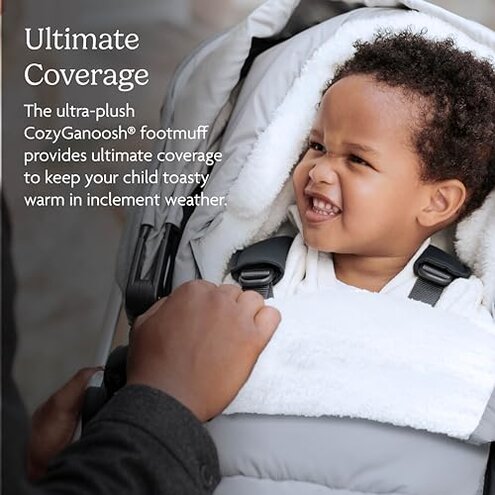
- Avoid it if you want quick access for frequent in-and-out errands, because the daily-use friction is among the most common complaints.
- Avoid it if you switch stroller setups often, since the compatibility limits create a higher-than-normal category risk.
- Avoid it if your winters are mild or inconsistent, because the strong warmth can feel bulky and less adaptable than expected.
- Avoid it if you dislike premium accessories with hidden requirements, especially needing one stroller ecosystem to protect the value.
Who this is actually good for
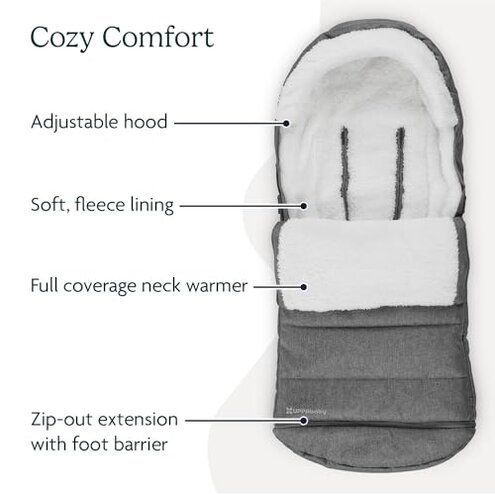
- Good fit: Families with a fully compatible stroller who plan to keep the same setup can better tolerate the fit restriction.
- Good fit: Parents in reliably very cold weather may accept the bulk because the warmth advantage matters more than convenience.
- Good fit: Longer outdoor walks make the access hassle easier to justify than short car-to-store trips.
- Good fit: Buyers who value brand-matched accessories and are willing to trade speed for a more enclosed feel may still be satisfied.
Expectation vs reality
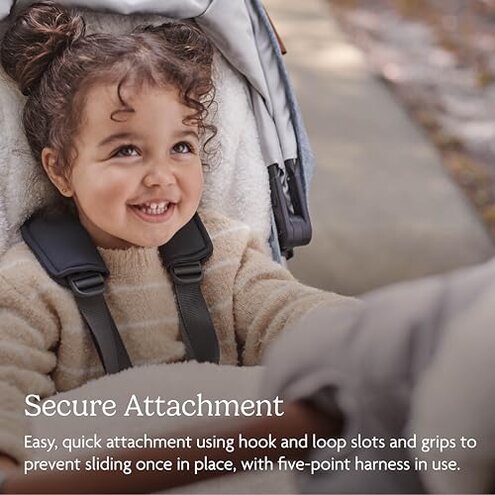
Expectation: A premium footmuff should make winter outings easier day to day.
Reality: The strongest negative pattern is that it can add extra steps during normal stroller loading and unloading.
Expectation: A 2-in-1 design should make changing seasons simple.
Reality: The flexibility is real, but the switching effort can be more involved than busy parents expect.
Expectation: It is reasonable for this category to have some fit limits.
Reality: Here, the ecosystem dependence feels worse than expected because the price raises expectations for longer-term versatility.
Safer alternatives
- Choose simpler if you prioritize fast errands, and look for a footmuff with easier child access and fewer adjustment steps.
- Check fit first if your stroller setup may change, and favor options with broader stroller compatibility to avoid the hidden ecosystem requirement.
- Match climate to insulation level, because a lighter footmuff often feels better in mixed winters than a very warm model.
- Prioritize routine over features if you rarely reconfigure season layers, since fewer modes usually mean less day-to-day friction.
The bottom line
Main regret trigger: Buyers most often get frustrated when a premium winter accessory adds daily-use friction instead of saving time.
Why avoid: The compatibility limits and high-warmth bulk create a higher-than-normal risk for families with changing setups or milder winters.
Verdict: If you want convenience first, this is easier to skip unless you have a fully compatible stroller and consistently cold weather.
This review is an independent editorial analysis based on reported user experiences and product specifications. NegReview.com does not sell products.