
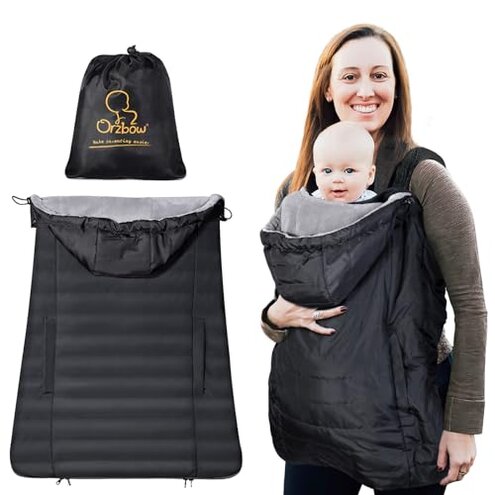
Product evaluated: Orzbow Winter Baby Carrier Cover with Detachable Hood, Waterproof & Windproof, Universal for Baby Carriers and Baby Waist Stool, Baby Bunting Bag for Car Seats and Strollers with Storage Bag, Black
Related Videos For You
BABYBJÖRN - How to attach the Cover for Baby Carrier on Baby Carrier Mini
How to Dress Baby for Winter Hikes #hikingwithkids #winterhiking #momlife #newmom #mommyvlogger #mom
Data basis: This report uses dozens of buyer feedback points collected from written comments and video-style demonstrations between 2023 and 2026. Most feedback came from written impressions, with smaller support from visual usage clips that helped confirm fit, coverage, and setup friction during everyday babywearing.
| Buyer outcome | Orzbow cover | Typical mid-range alternative |
|---|---|---|
| Setup speed | More variable; fit depends on carrier shape and strap layout. | Usually easier; fewer adjustments once clipped on. |
| Cold coverage | Good when aligned, but coverage can shift during walks. | More consistent coverage across common carrier styles. |
| Multi-use promise | Less reliable; stroller and seat use can add extra trial and error. | More limited, but usually clearer in its main use. |
| Daily convenience | Higher-than-normal risk of readjusting after setup. | Moderate; still some adjusting, but usually less frequent. |
| Regret trigger | Hidden fit work for different carriers and baby positions. | Lower risk if the product is built for one clear carrier style. |
Will it feel universal, then turn into a fit puzzle?
Primary issue: The biggest regret point is fit inconsistency. This appears repeatedly after first setup, especially when parents switch carrier styles or try front-inward versus outward use.
Worse than normal: Universal baby covers usually need some adjustment, but this one seems less forgiving than a typical mid-range option. That matters because the extra fiddling happens during real outings, not just at home.
- Pattern: This is a recurring complaint and among the most common frustrations.
- When: It shows up during setup and again once walking starts.
- Cause: The cover uses a strap-and-buckle approach that can depend heavily on carrier shape.
- Impact: Parents can spend extra time repositioning instead of getting out the door quickly.
- Trade-off: The multi-use design adds flexibility, but it also creates a hidden requirement to test your exact carrier first.
- Fixability: It may improve with practice, but it is not universal in the simple, drop-on sense many buyers expect.
Illustrative: “It fits, but only after more adjusting than I expected.”
Pattern level: This reflects a primary pattern.
Does the warmth hold up once you are actually outside?
- Severity: Warmth is a secondary issue because the cover can work well, but only when the fit stays aligned.
- Context: The frustration usually appears during walks in wind or when the baby shifts position.
- Frequency: This is less frequent than fit complaints, but more frustrating when it happens outdoors.
- What buyers notice: Coverage can feel uneven around the sides or lower legs if the attachment points are not ideal.
- Category contrast: Some adjustment is normal for baby covers, but repeated cold-gap checks feel more disruptive than expected for this category.
- Effort cost: Parents may need to stop and re-tuck or re-zip instead of walking continuously.
- Mitigation: It suits shorter trips better than long outdoor sessions where steady coverage matters more.
Illustrative: “Warm enough at first, then I kept checking for exposed spots.”
Pattern level: This reflects a secondary pattern.
Is the detachable hood genuinely convenient or just another thing to manage?
Persistent friction: The removable hood sounds handy, but a repeating complaint pattern is added setup choice. It tends to slow parents down when they are already juggling carrier position, weather, and a moving baby.
Why it feels worse: In this category, simple is usually better. A flexible hood is useful in theory, but the extra decision-making can feel more annoying than helpful during rushed outings.
Usage moment: This shows up before leaving home and again if weather changes mid-trip. It worsens when parents switch between face-in and forward positions and need the hood to match.
Not universal: This is not a deal-breaker for everyone, but it is a persistent annoyance for buyers who wanted a grab-and-go layer.
Illustrative: “I liked the hood idea, but it added one more step.”
Pattern level: This reflects a secondary pattern.
Can one cover really replace stroller, car seat, and carrier layers?
- Expectation gap: The multi-use claim is appealing, but this is where some edge-case disappointment starts.
- Pattern: The complaint is less common than fit issues, yet it appears persistently among buyers expecting one product to do everything well.
- When: It tends to show up after purchase when buyers try the second or third use case.
- Why: A product that tries to cover many setups can become less optimized in each one.
- Buyer impact: You may still need another cover or blanket for the easiest daily routine.
- Category contrast: Mid-range alternatives with a single main purpose often feel more predictable, even if they do less.
- Hidden cost: The regret is not just money; it is the extra testing time spent figuring out what this works with best.
- Fixability: Best results come from treating it as a carrier-first item, not an all-in-one cold-weather answer.
Illustrative: “It can do several jobs, just not equally well.”
Pattern level: This reflects an edge-case pattern.
Who should avoid this
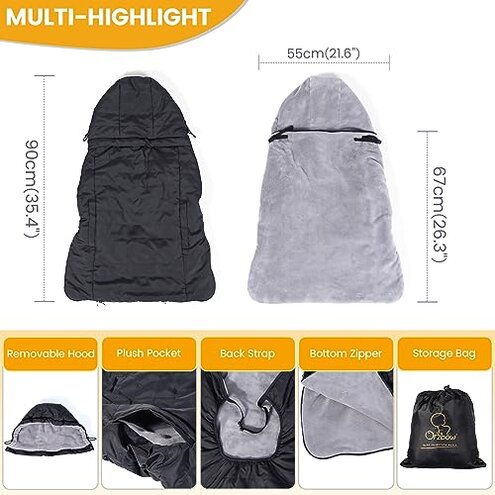
- Avoid it if you need fast, stress-free setup for daycare runs or short errands.
- Avoid it if your carrier has an unusual shape and you do not want trial-and-error fitting.
- Avoid it if you take long cold walks and want coverage that stays put with minimal checking.
- Avoid it if you are buying mainly for the multi-use promise across stroller, seat, and carrier.
Who this is actually good for
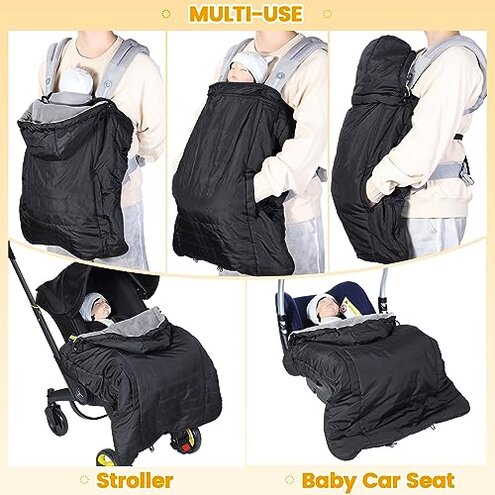
- Good fit for parents willing to test and adjust it at home before regular use.
- Good fit for shorter trips where occasional repositioning feels manageable.
- Good fit if your main goal is carrier use first, with other uses treated as backup options.
- Good fit for buyers who prefer one warmer layer and can tolerate setup friction.
Expectation vs reality
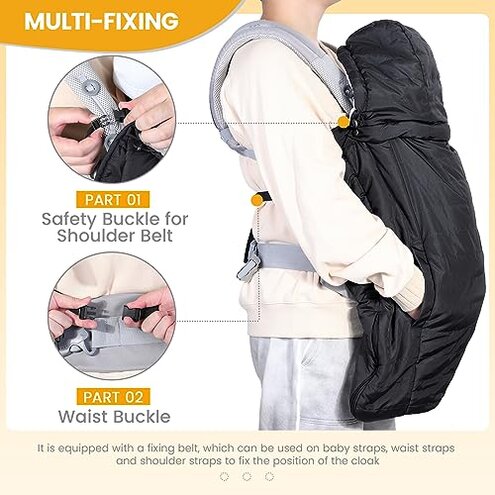
Expectation: A universal baby cover should clip on with minor adjustment and stay useful across common carriers.
Reality: Here, fit variability can be worse than expected, so the universal claim may require more testing than a reasonable category baseline.
Expectation: A detachable hood should make weather changes easier.
Reality: The extra step can slow down rushed outings, especially when switching baby positions.
Expectation: Multi-use gear should reduce clutter.
Reality: The all-in-one trade-off is that each use case may feel less polished than a single-purpose alternative.
Safer alternatives
- Choose carrier-specific covers if your top concern is quick attachment with less trial and error.
- Choose simpler designs with fewer moving parts if you want fewer setup decisions in bad weather.
- Choose single-purpose stroller or car seat covers if you need predictable fit more than versatility.
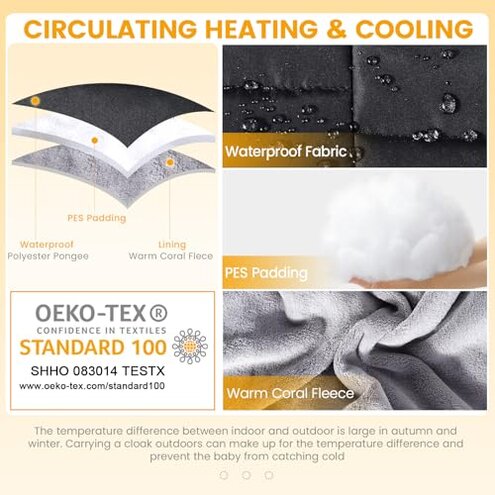
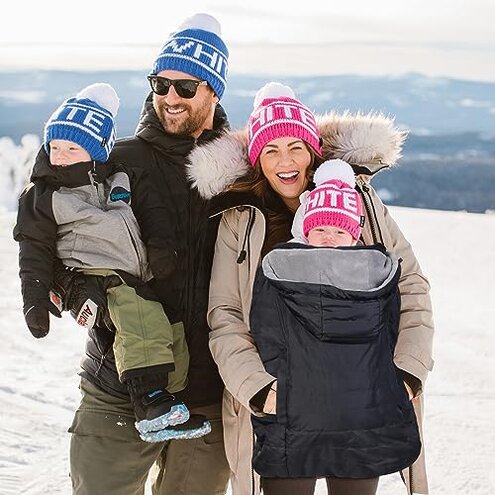
- Check leg coverage and side coverage photos carefully if long outdoor walks are your main use.
- Test early during the return window with your exact carrier and baby position changes.
The bottom line
Main regret: The biggest problem is fit inconsistency, which can lead to repeated adjusting and uneven coverage during real outings.
Why avoid: That risk feels higher than normal for this category because the product promises universal, multi-use convenience, but may demand more setup work than typical mid-range alternatives. Verdict: Avoid it if you want simple, reliable cold-weather coverage without testing and readjusting.
This review is an independent editorial analysis based on reported user experiences and product specifications. NegReview.com does not sell products.