
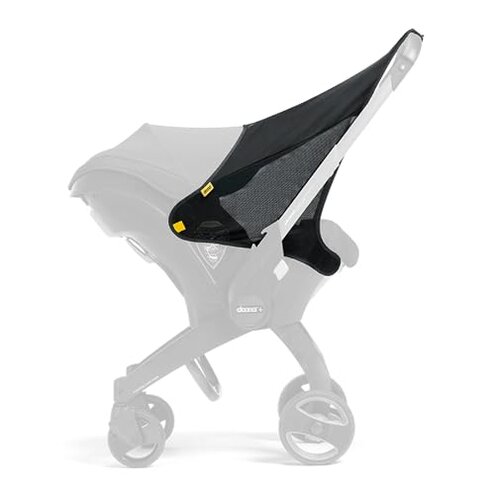
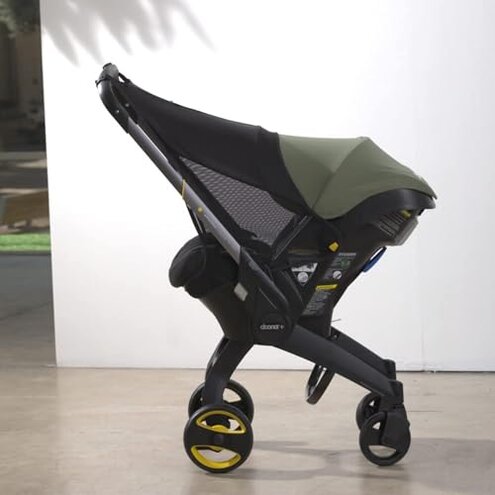
Product evaluated: Doona Sunshade Extension - Compatible with Doona Car Seat & Stroller
Related Videos For You
How to attach the Sunshade Extension | Doona Car Seat & Stroller Accessories
How to Install the Munchkin White Hot Sun Safety Shade
Data basis: This report draws on dozens of buyer comments collected from written feedback and video-style demonstrations between 2024 and 2026. Most feedback came from written experiences, with smaller support from hands-on clips showing setup and stroller use, which helps separate first-impression complaints from repeat daily-use problems.
| Buyer outcome | Doona Sunshade Extension | Typical mid-range alternative |
| Shade coverage | Better reach than the base canopy, but coverage limits still come up during changing sun angles. | Moderate coverage, usually less ambitious but more predictable. |
| Daily setup | Higher friction; extra attachment and removal steps are a primary complaint. | Lower friction; usually simpler folding or built-in use. |
| Travel convenience | More disruptive than expected when moving between car and stroller use. | More forgiving for quick errands and repeated transitions. |
| Compatibility confidence | Narrow fit; designed for one system, so value drops fast if your routine changes. | Less restrictive; many alternatives fit broader stroller use cases. |
| Regret trigger | Paying extra for an add-on that still needs repositioning and attention during daily use. | Settling for less coverage, but with fewer extra steps. |
Why does a simple shade feel like extra work so quickly?
This is a primary issue. The regret usually shows up after the first few outings, when a parent expects a quick snap-on accessory but gets another step in an already busy routine.
The pattern appears repeatedly in daily-use feedback, especially during short trips with frequent in-and-out transitions. For this category, some setup is normal, but this seems less forgiving than typical built-in or simpler shade options.
- When it hits: The friction shows up after setup, especially during errands with repeated car-seat and stroller switching.
- Frequency tier: This is a primary complaint and among the most common frustration points.
- What buyers notice: It can feel less grab-and-go than expected for a small accessory.
- Why it stings: The product promises easy attachment, but the added step still costs attention when the baby is already loaded in.
- Category contrast: Most mid-range shade add-ons still add a step, but this one seems more interruptive during fast transitions.
Illustrative: “I wanted quick shade, not another thing to attach every trip.”
Pattern: This reflects a primary pattern.
Does the coverage solve sun problems as much as buyers expect?
This is another primary issue. The frustration moment usually happens in real sunlight, not indoors, when the sun shifts and the added panel helps but does not fully remove repositioning.
The pattern is persistent, though not universal. It tends to worsen during longer walks, bright afternoons, and changing angles where parents expect the extension to be more hands-off.
That matters because shade accessories are bought to reduce attention, not create more monitoring. Compared with a reasonable category baseline, the complaint is not that coverage is bad, but that it can feel less complete than the extra cost suggests.
Illustrative: “It helps, but I still keep checking where the sun is.”
Pattern: This reflects a primary pattern.
Is the price hit hard to justify for such a small add-on?
- Pattern strength: Value frustration is a secondary issue, but it becomes more intense when paired with setup hassle.
- When buyers feel it: The doubt usually starts after first use, once the accessory feels less transformative than expected.
- What drives regret: At $48, buyers often expect a more noticeable reduction in daily effort.
- Why this feels worse: In this category, paid accessories are common, but this one can feel more expensive than its real-world benefit.
- Who notices most: Frequent errand runners tend to feel the mismatch more than occasional walkers.
- Fixability: There is no real fix if the core issue is expecting built-in convenience from an add-on.
Illustrative: “For the price, I expected a bigger difference on walks.”
Pattern: This reflects a secondary pattern.
Could the Doona-only fit become a hidden requirement you outgrow?
- Hidden requirement: This accessory is only useful if the Doona system is central to your routine.
- When it matters: The limitation becomes obvious during ownership changes, such as sharing gear, switching strollers, or planning for longer-term use.
- Pattern level: This is an edge-case issue, but more frustrating when it occurs because the product loses value quickly.
- Buyer impact: If your baby gear setup changes, this can become stranded spend rather than a flexible accessory.
- Category contrast: Many mid-range shade options are less elegant, but they are also less restrictive about where they can be used.
- Mitigation: This only makes sense if you already know the Doona will be your main system for the period you need added shade.
- Practical downside: The carry bag helps storage, but it does not solve the narrow-use problem.
Illustrative: “Nice idea, but only if you are fully committed to this setup.”
Pattern: This reflects an edge-case pattern.
Who should avoid this
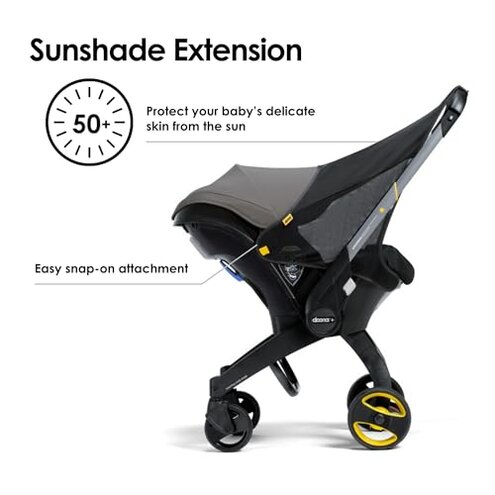
- Skip it if you want truly instant shade with no extra handling during quick errands.
- Avoid it if you are already uneasy about accessory pricing, because the value complaint appears repeatedly after real-world use.
- Pass if you expect one add-on to solve changing sun angles with minimal attention.
- Look elsewhere if your baby gear setup may change soon, because the Doona-specific fit is less flexible than normal alternatives.
Who this is actually good for
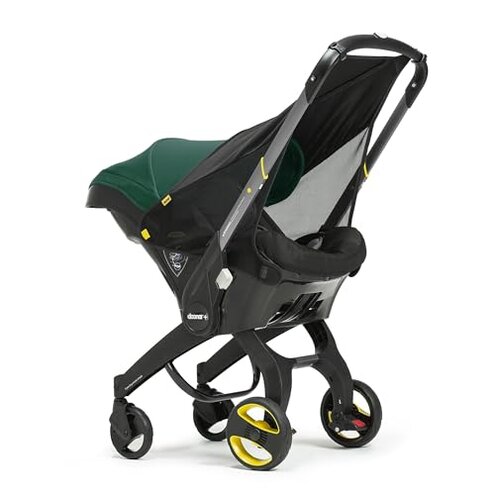
- It fits parents who already use the Doona constantly and accept one more setup step for extra UV coverage.
- It works better for longer walks than rushed in-and-out errands, because the attachment effort is paid back over more time outdoors.
- It suits buyers who know this is only a coverage boost, not a total sunlight fix.
- It makes sense if brand-matched fit matters more to you than broader compatibility.
Expectation vs reality
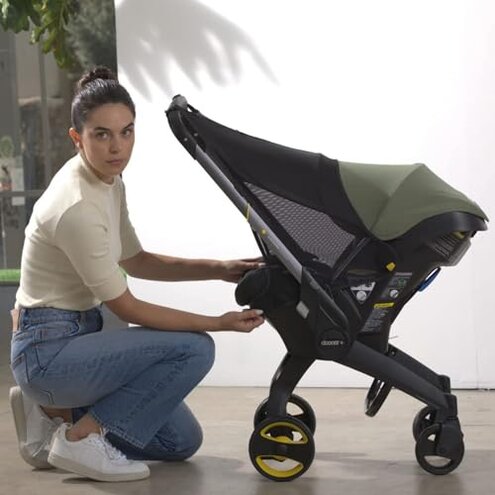
Expectation: A snap-on shade should feel almost effortless in daily use.
Reality: The repeated complaint is that it still adds enough handling to be noticeable during busy transitions.
Expectation: Extra coverage should mean less monitoring on walks.
Reality: A persistent pattern is that parents still adjust expectations around shifting sun angles.
Expectation: For this category, paying extra can reasonably mean better convenience.
Reality: Here, the convenience gain seems worse than expected relative to the accessory price.
Safer alternatives
- Choose built-in simplicity if your main complaint is setup friction, because integrated canopies remove extra attachment steps.
- Choose broader-fit shades if you want to reuse one accessory across gear changes and avoid Doona-only value loss.
- Choose lower-cost add-ons if you only need occasional extra shade and want less price regret.
- Choose deeper canopy designs if your real problem is changing sun angles rather than just adding one more front layer.
The bottom line
The main regret trigger is paying $48 for an accessory that commonly adds daily handling without fully removing shade management. That feels worse than normal category risk because parents usually buy this type of add-on to reduce effort, not add another step. Verdict: avoid it if you want simple, flexible, high-value convenience; consider it only if you are already committed to the Doona and can tolerate accessory friction.
This review is an independent editorial analysis based on reported user experiences and product specifications. NegReview.com does not sell products.