
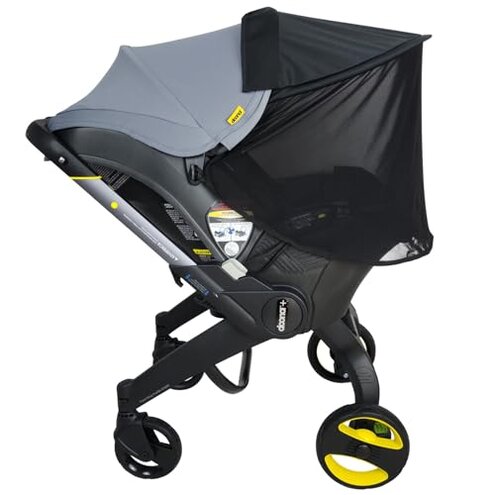
Product evaluated: Doona Sunshade Extension | Doona Accessories Stroller for Summer | Car Seat Cover Attachment for Sun Protection | Carseat Canopy for Baby Sun Shade Extender | Also Compatible with Carseat
Related Videos For You
How to Install the Munchkin White Hot Sun Safety Shade
Carseat Canopy Instruction Video
Data basis: This report is based on dozens of buyer impressions collected from product-page feedback and short-form demonstration discussions from 2024 to 2026. Most feedback came from written reviews, with added context from image and video-style usage posts, which helps show how the shade behaves during setup and daily stroller walks.
| Buyer outcome | This sunshade | Typical mid-range alternative |
|---|---|---|
| Initial fit | Higher risk of mismatch unless the canopy shape is very close to the intended design. | Usually easier if it uses simpler straps or broader compatibility. |
| Daily setup | More fiddly because placement depends on magnets and side tension staying aligned. | More forgiving with basic clip or strap systems. |
| Airflow trade-off | Noticeable compromise when full coverage is used in hotter weather. | Moderate compromise, but many leave more open space by default. |
| Wind and movement | Less stable during kicks, adjustments, or frequent in-and-out use. | Typically steadier once tightened. |
| Regret trigger | Paying more for coverage, then finding the fit and daily handling too particular. | Lower regret if expectations are basic sun blocking, not full wraparound coverage. |
Why does the fit feel picky for something sold as widely compatible?
Primary issue: Compatibility appears to be among the most common complaints. The regret moment usually happens on first setup, when the canopy edge does not grab cleanly or the shade sits unevenly.
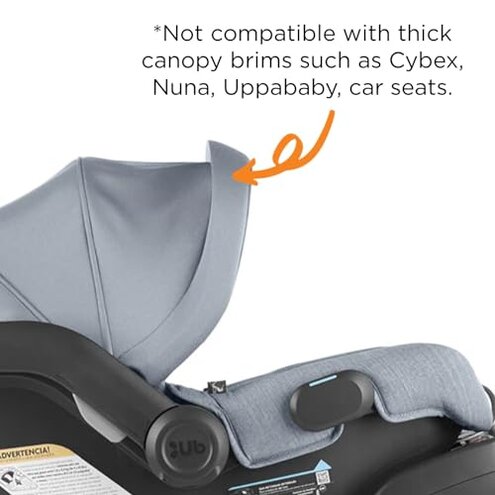
Recurring pattern: This shows up most during installation and gets worse if your car seat canopy has a thicker brim or a shape that differs from the intended style. That feels worse than normal because a mid-range shade should be more forgiving across common infant seats.
- Early sign: If you have to reposition it several times on day one, the fit issue usually continues in daily use.
- Frequency tier: This is a primary complaint, not universal, but it appears repeatedly across mixed feedback.
- Usage moment: The problem is easiest to notice when opening and closing the canopy during quick errands.
- Cause: The attachment method depends on the canopy shape matching the product’s expected edge closely.
- Impact: Buyers end up with partial coverage, slippage, or a look that feels homemade instead of integrated.
- Hidden requirement: It works best only if your seat avoids the thicker-brim styles the listing excludes, which many shoppers miss.
- Fixability: Minor adjustment can help, but a bad shape match is usually not solved by trying harder.
Illustrative excerpt: “It blocks sun, but only when I get the angle just right.”
Pattern: This reflects a primary fit-and-position complaint.
Does the full coverage become annoying on real walks?
Secondary issue: The extra coverage is the main selling point, but it can become more disruptive than expected during longer outings. The trade-off shows up after setup, when parents want quick visibility and airflow without removing parts.
Persistent pattern: This is less frequent than outright fit complaints, but more frustrating when it happens on warm walks or stop-and-go errands. That is worse than a reasonable category baseline because most simple shades sacrifice some coverage to stay easier to manage.
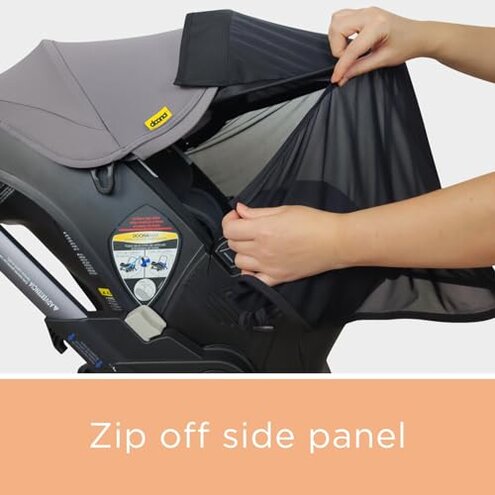
- Heat concern: Full coverage can feel too closed in during hotter weather unless the side panel is removed.
- Visibility trade-off: Caregivers may need extra peeks inside, which adds small but repeated interruptions.
- Daily context: It becomes most noticeable during outdoor walks, parking lot transfers, and stroller naps.
- Effort cost: The removable panel adds another step instead of a one-motion adjustment.
- Category contrast: Typical mid-range shades leave more open access, so they are less private but easier to live with.
Illustrative excerpt: “Nice idea, but I kept opening it to check on my baby.”
Pattern: This reflects a secondary daily-use friction issue.
Will it stay put when you actually use the seat often?
- Primary frustration: Stability is another recurring issue, especially after the novelty wears off and the seat gets used several times a day.
- When it appears: It tends to show up during daily handling, windy walks, or when baby kicks against the lower area.
- Why it stings: That is more upkeep than most mid-range alternatives, which should need less re-adjusting once installed.
- Pattern signal: This is a recurring complaint rather than a rare defect pattern.
- User-visible effect: Buyers notice shifting edges, uneven drape, or needing to secure it again after movement.
- Attempted workaround: Re-tightening the side ties can help, but it also adds extra setup time before walks.
- Longer-term annoyance: Even small movement becomes tiring because this product is supposed to reduce stress outdoors, not add more adjustments.
- Fixability: It is partly manageable if your seat shape is ideal, but less forgiving than typical shades when the match is only close.
Illustrative excerpt: “Every trip started with me fixing the cover again.”
Pattern: This reflects a primary stability complaint during repeated use.
Is the price easy to justify if the install is this specific?
- Regret driver: Value concerns are a secondary pattern, but they become sharp when fit or convenience falls short.
- When it hits: The disappointment usually comes after first-week use, not at unboxing.
- Buyer logic: People expect a smoother experience at $42.99 for a single-purpose sunshade accessory.
- Category contrast: In this category, buyers usually accept some compromise, but not this much install sensitivity at this price level.
- Trade-off: You are paying for fuller coverage and a tailored look, yet the payoff depends heavily on compatible canopy geometry.
- Who feels it most: Parents wanting grab-and-go simplicity are more likely to feel the product is overpriced for the effort required.
Illustrative excerpt: “For this price, I expected less trial and error.”
Pattern: This reflects a secondary value complaint tied to setup friction.
Who should avoid this
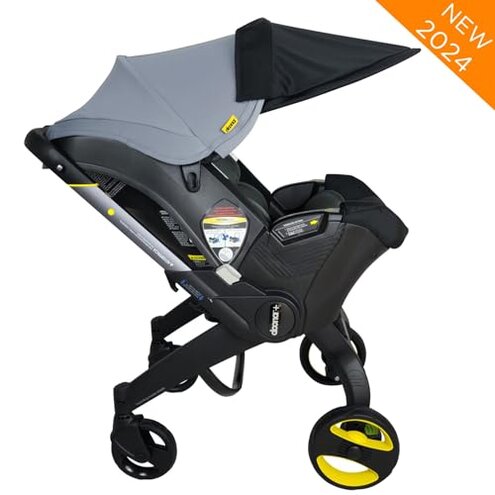
- Avoid it if your car seat has a thick or unusually shaped canopy edge, because fit sensitivity exceeds normal category tolerance.
- Skip it if you want one-step setup for errands, since repeated adjustment appears more common than with simpler shades.
- Pass if you walk often in hotter weather and want maximum airflow without removing parts.
- Look elsewhere if paying $42.99 only makes sense when the product works smoothly right away.
Who this is actually good for
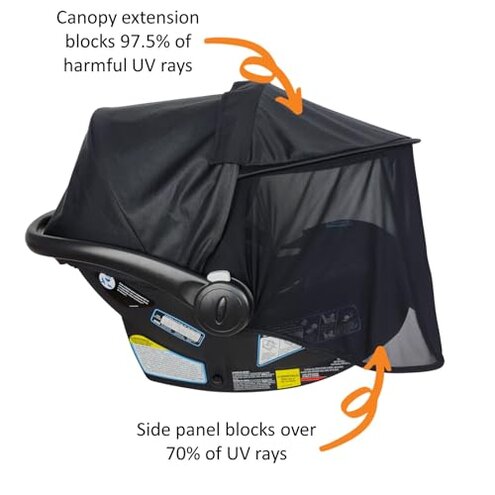
- Good fit for buyers with a clearly compatible canopy who want more wraparound sun blocking than basic clip-on shades provide.
- Works better if you do shorter outings and can tolerate some setup fiddling in exchange for extra privacy.
- Makes sense for parents who are fine removing the side panel when needed to manage airflow.
- Better option for people who care more about coverage than quick access to baby during walks.
Expectation vs reality
Expectation: A universal-style accessory should fit most infant seats with only minor adjustment.
Reality: This one appears less forgiving than expected, and canopy shape matters more than many buyers assume.
Expectation: Full coverage should mean better protection with only small convenience trade-offs.
Reality: The extra coverage can also mean more heat, more peeking inside, and more daily handling.
Expectation: Reasonable for this category is a shade that stays attached through normal walks after setup.
Reality: Here, re-adjustment seems more frequent than expected when wind, kicks, or repeated use are involved.
Safer alternatives
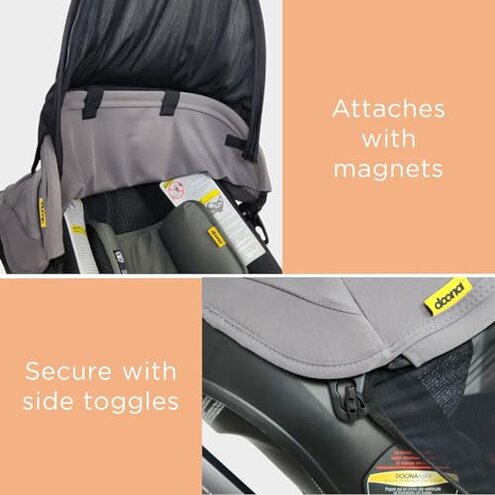
- Choose simpler straps if you want broader compatibility, because strap-based shades are usually less dependent on exact canopy shape.
- Prioritize airflow if you walk in heat often, since more open designs reduce the closed-in feeling of full wraparound covers.
- Check exclusions before buying, especially canopy brim thickness, because this product has a stronger hidden-fit requirement than many alternatives.
- Buy for routine by matching the shade to your real usage, since quick errands favor easier access more than maximum enclosure.
- Watch setup demos before purchase, because real-world attachment steps can reveal whether the daily fuss level is acceptable to you.
The bottom line
Main regret comes from paying for full sun coverage, then finding the shade too particular about canopy fit and too fussy in everyday use. That exceeds normal category risk because mid-range alternatives usually give up some coverage to be easier and more forgiving. Verdict: avoid it if you want universal fit and low-effort use, and consider it only if your car seat shape is clearly compatible and coverage matters more than convenience.
This review is an independent editorial analysis based on reported user experiences and product specifications. NegReview.com does not sell products.