
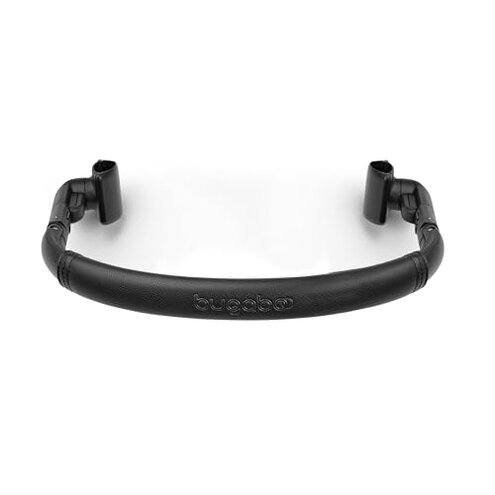
Product evaluated: Butterfly 2 & Dragonfly Safety Bar by Bugaboo
Related Videos For You
Joolz Aer Buggy • How to - Bumper bar
Data basis: This report draws on dozens of buyer comments collected from product-page writeups and short video demonstrations during the recent retail cycle. Most feedback came from written reviews, with added context from visual setup clips, so the clearest patterns center on daily attachment, stroller folding, and whether the bar feels necessary at its price.
| Buyer outcome | This Bugaboo bar | Typical mid-range alternative |
|---|---|---|
| Setup effort | Low if your stroller match is exact, but fit confusion is a recurring complaint at first use. | Moderate, often with clearer compatibility notes and fewer surprise returns. |
| Fold convenience | Mixed; the detachable design helps, but it can add extra steps during frequent folding. | Usually simpler, with less removal fuss during everyday storage. |
| Value feel | Weaker; the $54.95 price is more likely to feel high for a basic add-on. | Better balanced for buyers expecting a simple accessory. |
| Compatibility risk | Higher than normal for this category when shoppers assume broader stroller support than they actually get. | Lower, because many mid-range bars are sold with plainer fit boundaries. |
| Regret trigger | Paying premium money for an accessory that adds steps or does not fit the exact stroller expected. | Usually regret comes from looks or padding, not basic use friction. |
Did you expect a simple click-on accessory, but got fit confusion instead?
This is the primary issue. The most common frustration is compatibility uncertainty, which shows up right at first setup when buyers try to match the bar to the stroller they already own.
The trade-off feels harsher than normal for this category because a safety bar is usually a low-thinking purchase. Here, a wrong expectation can turn a one-minute add-on into a return problem.
- Pattern: This appears repeatedly in buyer feedback, though it is not universal for shoppers with the exact intended stroller.
- Usage moment: The problem shows up during first attachment, especially when the listing title and feature wording feel less specific than buyers expect.
- Why it stings: It is more disruptive than expected because stroller accessories are normally bought for convenience, not compatibility troubleshooting.
- Hidden requirement: You need to confirm exact model fit before buying, which is easy to miss when shopping quickly for a matching-brand accessory.
- Impact: The result is extra return hassle, delayed use, or needing to keep shopping for the right bar.
- Fixability: This is only fixable before purchase by checking fit details carefully; after delivery, there is no practical workaround if your stroller is not the right one.
- Illustrative excerpt: “I assumed it fit my Bugaboo, but it didn’t click in.” Illustrative only — reflects a primary pattern.
Will the detachable design actually save time once you fold the stroller a lot?
This is a secondary issue. The removable design sounds convenient, but the annoyance appears during daily folding when buyers want the stroller packed away fast.
Less frequent than fit confusion, but more frustrating when it happens often. Parents who fold the stroller multiple times a day tend to feel the extra step more than occasional users.
Category baseline: Some safety bars do require repositioning, but this can feel less forgiving than typical if your routine depends on quick car loading or narrow storage spaces.
- Frequency tier: This is a secondary complaint, seen after setup rather than at purchase opening.
- When it worsens: It gets worse with frequent folding, short errands, and storage routines where every extra step feels noticeable.
- User-visible effect: The bar can become one more thing to remove, hold, and reattach instead of a set-and-forget accessory.
- Trade-off: The convenience benefit only works if you do not mind the repeat handling.
- What buyers try: Some try leaving it attached when possible, but that depends on how their stroller storage setup works.
- Fixability: This is partly manageable if you fold less often, but not if your routine depends on constant in-and-out use.
- Illustrative excerpt: “Nice idea, but I keep taking it off for every fold.” Illustrative only — reflects a secondary pattern.
Does the price feel high for what is basically a grab bar?
Price regret is among the most common follow-up complaints once buyers get past setup. At $54.95, the value question usually shows up after first use, when the product feels more basic than the premium cost suggests.
This matters more than it would with a larger stroller part because the benefit is narrow. If it works perfectly, some buyers accept the cost, but any small inconvenience makes the price feel much steeper.
- Severity: This is a primary value complaint, especially when buyers expected a more noticeable upgrade in daily use.
- Context: The regret appears after setup, once the bar is judged against how often it is actually used.
- Category contrast: Accessories in this class often feel optional, so pricing is less forgiving than with core stroller parts.
- What triggers it: Any fit issue, removal step, or limited use makes the cost feel harder to justify.
- Who feels it most: Buyers wanting a simple toddler hold point often expect mid-range value, not a premium-priced add-on.
- Mitigation: The price can feel more acceptable if you know you will use it on most outings rather than occasionally.
- Illustrative excerpt: “Useful enough, but not at this price for such a small add-on.” Illustrative only — reflects a primary pattern.
- Edge note: If your child rarely uses the bar, this becomes an easy regret because the product solves a smaller problem than expected.
Are you buying this mainly because the brand name makes it feel like a safe bet?
This edge-case issue is less about failure and more about expectation mismatch. The brand can create a plug-and-play assumption that feels stronger than the real-world setup experience.
- Pattern: This is an edge-case but persistent theme, usually tied to buyers who expected zero friction from a same-brand accessory.
- When it shows: It appears during purchase decision and then again at first install if reality feels less seamless.
- Why it feels worse: Same-brand accessories are supposed to reduce doubt, so any confusion feels more annoying than normal.
- Visible result: Buyers can end up paying a premium for reassurance they do not fully get.
- Attempted workaround: Some shoppers look for setup videos first, which can help set expectations before ordering.
- Fixability: This is avoidable if you shop by exact fit and routine needs, not by brand trust alone.
- Illustrative excerpt: “I bought it assuming same brand meant no compatibility surprises.” Illustrative only — reflects an edge-case pattern.
Who should avoid this
- Avoid it if you are not fully sure about stroller compatibility, because the main regret starts at first attachment.
- Skip it if you fold your stroller constantly and need the fastest possible car-to-sidewalk routine.
- Pass if you are price-sensitive and expect a basic accessory to feel clearly worth every dollar immediately.
- Look elsewhere if you want a same-brand purchase to remove research steps, because this still needs exact fit checking.
Who this is actually good for
- Good fit for buyers who already confirmed the exact stroller match and want a simple child handhold.
- Works well for families who do not fold the stroller often, so the detachable step stays minor.
- Makes sense if paying more for a matching-brand accessory feels acceptable and you value visual consistency.
- Better choice for frequent walkers whose toddler will use the bar often enough to offset the price concern.
Expectation vs reality
Expectation: A same-brand safety bar should attach fast and feel obvious to buy.
Reality: The biggest risk is fit certainty, so the purchase can require more checking than expected.
Expectation: A detachable bar should make storage easier.
Reality: It can also add repeat steps during daily folding, which matters more on busy routines.
Expectation: Paying premium pricing is reasonable for this category if the experience feels seamless.
Reality: Even small friction points make the $54.95 cost feel worse than expected for a simple accessory.
Safer alternatives
- Verify fit using exact stroller model wording before buying any safety bar, which directly reduces the main compatibility regret.
- Prioritize fold routine over brand matching if you load the stroller into a car often, because removal steps matter in real use.
- Compare value against mid-range bars or stroller bundles when the accessory is optional, especially if your child may not use it often.
- Watch setup clips before purchase so you can see whether attach-and-fold behavior matches your daily routine.
- Buy for use frequency, not just completeness, because occasional use makes premium accessory pricing feel much harder to justify.
The bottom line
Main regret usually starts with compatibility assumptions and gets worse when the premium price leaves little room for inconvenience. That exceeds normal category risk because a safety bar should be one of the simpler stroller purchases, not one that needs careful fit screening. Avoid this if you want broad compatibility, fast fold convenience, or strong value from a basic add-on.
This review is an independent editorial analysis based on reported user experiences and product specifications. NegReview.com does not sell products.