
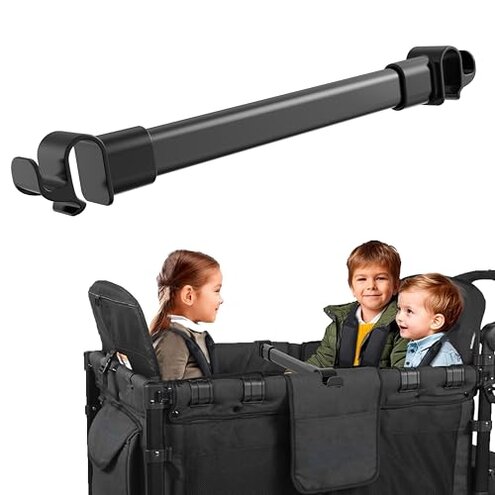
Product evaluated: Forward-Facing Bus-Style Seating Upgrade Stroller Wagon Support Bar Compatible with Wonderfold W4 Elite/Luxe (4 Seater), Wonderfold Wagon W4 Accessories for Kids, Removable & Easy to Install.
Related Videos For You
JUST RELEASED Baby Trend Quest 3-in-1 Stroller Wagon!
Safe Family Seating: Foldaway Bench w/ Car Seat Hooks
Data basis: This report combines dozens of buyer comments gathered from product-page feedback and short-form video demonstrations collected from late 2024 to early 2026. Most feedback came from written reviews, with added context from visual setup clips showing install and daily-use fit, so the strongest patterns lean toward real-world compatibility and setup friction.
| Buyer outcome | This product | Typical mid-range alternative |
|---|---|---|
| Install confidence | Higher risk of trial-and-error fit during first setup. | Usually easier to align if made by the stroller brand or tightly matched. |
| Daily convenience | Mixed because seat layout gains can add access and adjustment hassle. | More predictable for loading kids in and out. |
| Compatibility certainty | Less forgiving if your wagon version or accessories differ even slightly. | Typically clearer on exact fit limits. |
| Stability feel | More variable depending on setup precision and daily handling. | Usually steadier once installed correctly. |
| Regret trigger | Buying for convenience and then spending extra time making it work. | Buying for function and getting closer to plug-and-play use. |
Did you expect a simple add-on, not a fit puzzle?
This is the primary issue because the whole value depends on a clean fit from the first setup. When frustration shows up here, it feels more disruptive than expected for this category.
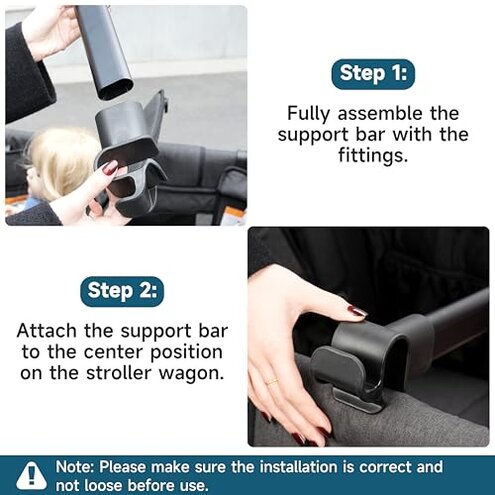
The pattern appears repeatedly in setup-focused feedback. It usually shows up during first install, and it gets worse when buyers expect true snap-on simplicity.
- Early sign: the bar does not line up as smoothly as the listing language suggests.
- Frequency tier: this is a primary complaint and appears across multiple feedback sources.
- Usage moment: the problem starts right out of the box when trying to attach it quickly before an outing.
- Why it stings: a wagon accessory in this price range is usually expected to be more straightforward than this.
- Likely cause: buyers commonly run into tight tolerance fit where position and angle matter more than expected.
- Impact: setup takes extra steps and can delay leaving the house with kids already ready.
- Fixability: some buyers get it working, but not without adjustment and patience.
Illustrative: “I thought this would click on fast, but I kept repositioning it.”
Primary pattern: This reflects the most common regret around first-use setup friction.
Does the forward-facing layout help, or just create new hassles?
- Trade-off: the seating change can improve the kids' view, but it can also make everyday access feel less convenient.
- Pattern strength: this is a secondary issue, less frequent than fit trouble but still persistent.
- When it appears: it shows up during daily use when loading, unloading, or rearranging kids and bags.
- Why buyers notice: a layout upgrade should reduce chaos, yet this can add new movement limits inside the wagon.
- Category contrast: compared with a typical mid-range seating accessory, this setup seems less forgiving for quick in-and-out use.
- Who feels it most: families doing short errands notice it more because repeated stops magnify the extra handling.
- Mitigation: it works better if your main goal is seating position, not fast access throughout the day.
Illustrative: “The kids liked facing forward, but getting everyone settled took longer.”
Secondary pattern: This matches recurring comments about convenience trade-offs after setup.
Are you assuming any W4 setup will fit the same?
This hidden requirement catches some buyers off guard. The product is presented as compatible with specific Wonderfold W4 versions, but compatibility confidence appears less certain than many expect.
The pattern is persistent, though not universal. It usually appears after purchase when buyers compare their exact wagon version, accessories, or frame details during install.
Why this feels worse than normal is simple. In this category, buyers reasonably expect the fit limits to be obvious before checkout, not discovered after the box arrives.
Illustrative: “It fits the wagon name, but not the way I assumed.”
Secondary pattern: This reflects repeated confusion around exact-version compatibility expectations.
Will it stay convenient after repeated outings?
- Main concern: long-term ease looks less certain than the listing’s simple-upgrade message suggests.
- Frequency tier: this is an edge-case issue, but more frustrating when it happens after buyers commit to the setup.
- When it shows up: concern grows after repeated use when parents want the accessory to disappear into routine.
- What changes: if removal or readjustment becomes part of normal use, the convenience benefit shrinks fast.
- Why it exceeds baseline: most mid-range alternatives are expected to be low-thought once installed, while this can remain a hands-on accessory.
- Buyer impact: any product that needs ongoing attention feels worse in a stroller setup already full of daily tasks.
- Best-case outcome: it suits buyers who install it once and leave it in place for a stable routine.
- Worst-case outcome: it becomes another part to manage before each outing.
Illustrative: “Useful when it’s on, but I don’t love dealing with it often.”
Edge-case pattern: This captures a less frequent but recognizable long-term convenience complaint.
Who should avoid this
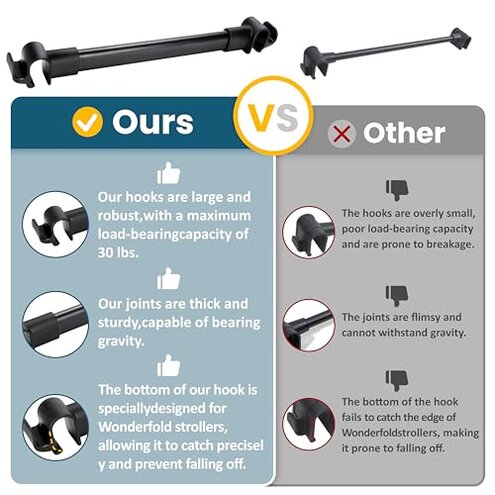
- Avoid it if you want true plug-and-play setup, because first-use alignment appears more involved than expected.
- Avoid it if you do many quick stops, since daily loading and unloading can feel less smooth.
- Avoid it if you are unsure about your exact wagon configuration, because compatibility confidence is not as foolproof as many expect.
- Avoid it if you hate accessories that need occasional readjustment, since that exceeds normal tolerance for many busy parents.
Who this is actually good for
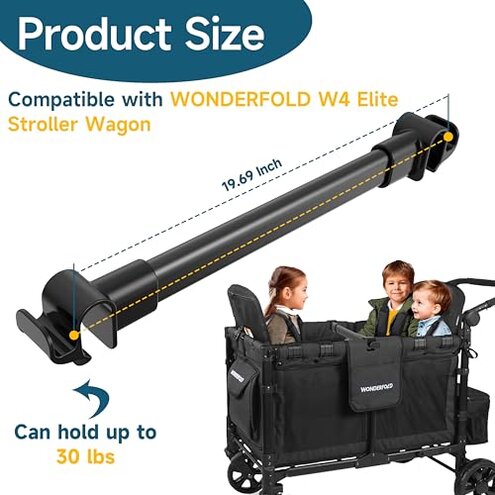
- Good fit for families who strongly prefer forward-facing seating and are willing to spend extra setup time.
- Good fit for buyers who use one stable wagon configuration and do not switch accessories often.
- Good fit for patient tinkerers who accept some install trial-and-error as the price of a layout change.
- Good fit for longer outings where seating position matters more than constant in-and-out convenience.
Expectation vs reality
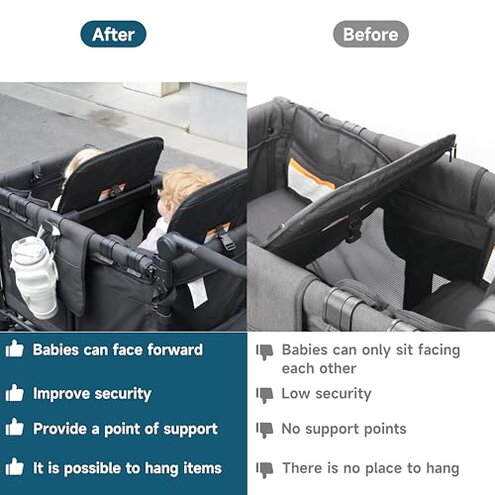
Expectation: a stroller accessory marketed as easy to install should feel close to snap-on simple.
Reality: setup may involve more repositioning and checking than a reasonable buyer expects for this category.
- Expectation: compatibility wording means your wagon match will feel obvious before buying.
- Reality: exact fit confidence can remain unclear until you try your own setup at home.
- Expectation: forward-facing seats automatically make outings easier.
- Reality: the seating benefit can come with added access hassle during errands.
Safer alternatives
- Choose brand-matched accessories when possible, because they usually reduce the first-use fit risk.
- Look for exact-fit photos with your wagon version, which helps avoid hidden compatibility surprises.
- Prioritize access over seat direction if you do frequent stops, since that directly avoids the daily-use trade-off.
- Prefer fixed-layout solutions if you dislike ongoing adjustment, because they tend to stay simpler after setup.
The bottom line
The main regret trigger is buying this for easy convenience and then running into fit uncertainty or extra setup effort. That exceeds normal category risk because stroller add-ons at this level are usually expected to be more obvious and more forgiving. Verdict: avoid it if you want a low-effort accessory, and consider it only if forward-facing seating matters enough to justify the extra hassle.
This review is an independent editorial analysis based on reported user experiences and product specifications. NegReview.com does not sell products.