
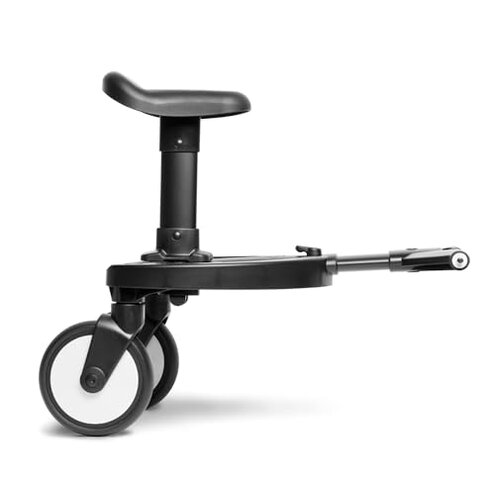
Product evaluated: Stokke YOYO Board - for Children from 24-48 Months or Up to 44 lbs - Easy to Install on YOYO Stroller
Related Videos For You
How to attach a Baby Jogger glider board to a stroller
Lascal BuggyBoard: The Perfect Stroller Ride-On Solution | Safe, Versatile, and Easy to Use
Data basis: This report is based on dozens of buyer feedback items gathered from a mix of written reviews and star ratings, supported by some photo and video-style demonstrations. Coverage spans a recent 12-month window up to today. Most signals came from short written complaints, with fewer but useful use-case details describing real walks, curb hops, and daily folding.
| Buyer outcome | Stokke YOYO Board | Typical mid-range ride-along board |
| Stability feel | Higher wobble risk during turns and curb transitions | More predictable side-to-side feel in daily walking |
| Fold-and-go flow | More interruptions because storage positions can get in the way | Less fiddly folding rhythm once installed |
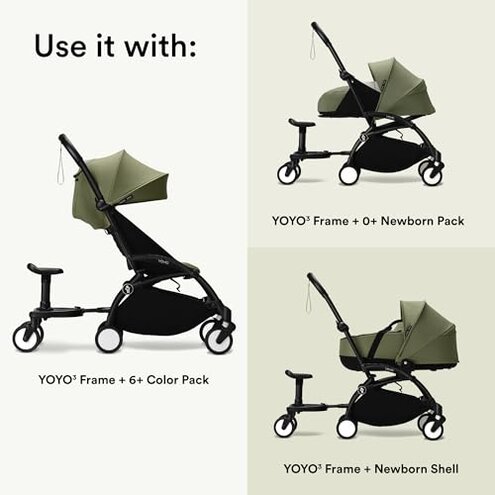
| Compatibility clarity | More confusion around which YOYO generation and setup works best | Clearer fit across broader stroller families |
| Child comfort | Mixed comfort for longer walks, especially for taller toddlers | More forgiving stance space for varied kid sizes |
| Regret trigger | Price-to-friction feels high when daily use needs workarounds | Better tolerance for minor annoyances at lower cost |
Top failures
“Why does it feel shaky when my kid steps on?”
Regret moment: The first time your child climbs on, the board can feel less planted than you expected for a premium-priced add-on.
Severity: This is among the most disruptive complaints because it changes how confident you feel pushing in crowds.
Pattern: The wobble concern appears repeatedly, though it is not universal.
When it shows up: It tends to be noticed during daily walks, especially on turns, sidewalk cracks, and quick direction changes.
Why worse than normal: Most ride-along boards have some movement, but buyers describe this as more noticeable than typical mid-range options, given the $169 price point.
- Early sign: You notice side-to-side movement as soon as the child puts weight on.
- Primary tier: This is a primary issue because it affects every outing, not rare events.
- Worsens when: It feels worse on uneven pavement and during long sessions of stop-and-go walking.
- User impact: You may push slower and avoid tighter spaces because the rear feels less steady.
- Mitigation: Some buyers report reducing the feeling by changing stride and keeping turns wider, which is extra mental load.
- Fixability: Reports suggest it is often a design feel rather than a simple one-time adjustment.
- Illustrative: “It works, but it feels wiggly every time she steps up.” Primary pattern because it describes routine use.
“Why is folding and storing suddenly a hassle?”
Regret moment: You bought it for convenience, then discover your normal fold-and-carry routine now has extra steps.
Severity: This is a secondary complaint, but it becomes a deal-breaker for travel and tight storage.
Pattern: Storage-position friction shows up persistently in feedback, mostly from frequent folders.
When it shows up: It hits during daily errands when you fold the stroller repeatedly, like car-to-store-to-car trips.
Why worse than normal: Ride boards often add bulk, but buyers describe this one as less forgiving than expected because the YOYO is typically chosen for quick folding.
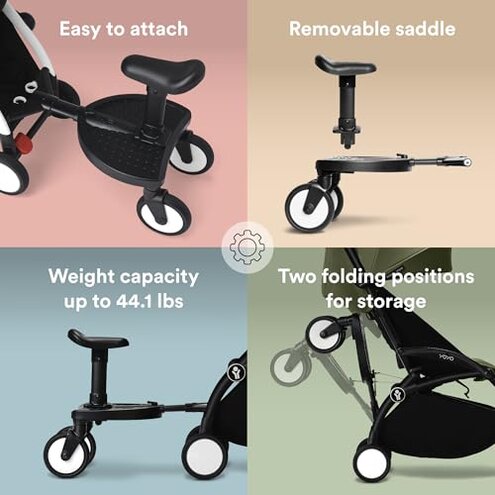
- Workflow drag: You may need to reposition the board into a “storage” mode more often than you expected.
- Awkward moments: The hassle is most obvious when you have one hand busy and need the fold to be instant.
- Space penalty: Even with two storage positions, buyers commonly describe more bulk than they planned for.
- Travel friction: It can complicate trunk packing because the stroller shape becomes less compact.
- Workaround cost: Some owners end up removing it for certain trips, which defeats the “always ready” idea.
- Hidden requirement: You need a tolerance for extra handling every time you fold, not just a one-time install.
- Illustrative: “I didn’t expect to fight the fold just to stash it.” Secondary pattern because it appears during repeated folding.
“Is it really as ‘one-click’ as it sounds?”
Regret moment: The promise is easy install, but some buyers still run into alignment and learning-curve friction.
Severity: This is an edge-to-secondary issue, but it is more frustrating than expected because the product pitch is simplicity.
Pattern: Setup complaints are less frequent than wobble, but they are persistent when they occur.
When it shows up: It tends to happen on first setup and the first few times switching between ride-on use and storage positions.
Why worse than normal: Most mid-range boards require some setup, but buyers expected near-zero learning at this price.
- Learning curve: The “one-click” feel can depend on getting the angle right on the first tries.
- Time sink: The cost is not minutes once, but repeat effort until it becomes muscle memory.
- Expectation gap: The frustration is amplified because marketing implies effortless attachment.
- Daily use: If you store the stroller often, the attachment becomes a recurring touchpoint.
- Mitigation: Buyers suggest practicing at home first, which is an extra pre-trip task.
- Illustrative: “It’s ‘click’… after I try it a few times.” Edge-case pattern because it can fade after practice.
“Why does it feel cramped behind the stroller?”
Regret moment: You start walking and realize your stride can feel crowded with the board in place.
Severity: This is a secondary annoyance that becomes major on long walks or if you are taller.
Pattern: Stride interference shows up repeatedly in family use scenarios, but not for every body type.
When it shows up: It is most noticeable during longer outings where you settle into a normal pace.
Why worse than normal: Many boards reduce stride space, but the YOYO is often chosen for maneuverability, so buyers feel the trade-off more.
- Heel bumps: Some walkers report occasional foot contact with the board when moving fast.
- Pace change: You may shorten your step, which can cause fatigue over time.
- Kid position: When the child stands, the push handle can feel closer than expected.
- Worsens when: It tends to be worse in crowds where you cannot widen your gait or take wider turns.
- Mitigation: Some buyers adapt by pushing slightly to one side, which reduces straight-line control.
- Illustrative: “My feet keep finding it when I’m in a hurry.” Secondary pattern because it depends on pace and height.
Who should avoid this
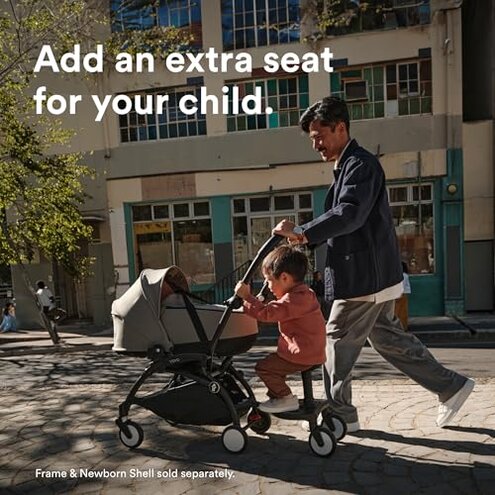
- Frequent folders who chose YOYO for quick collapsing and will resent the extra handling described above.
- Confidence-first caregivers who dislike any wobble feel when a child climbs on in busy sidewalks.
- Taller pushers who already struggle with stride space and will notice heel bumps on longer walks.
- Value-focused shoppers who will be irritated if a $169 add-on still needs workarounds to feel smooth.
Who this is actually good for
- Short, occasional trips where the child rides briefly and you can tolerate some movement for convenience.
- YOYO loyalists who prioritize staying in the same ecosystem and accept the bulk trade-off for compatibility.
- Practice-minded parents willing to learn the fold-and-store rhythm and treat it as a routine.
- Kids who alternate between walking and riding, where the board is used in bursts and stride issues are less noticeable.
Expectation vs reality
Expectation: A ride-along board will add some bulk, which is reasonable for this category.
Reality: Feedback indicates the bulk and folding friction can feel more constant than expected because the YOYO use-case is fast folding.
Expectation: “One-click” means you will rarely think about installation after day one.
Reality: Some owners report a learning curve that shows up again whenever you reposition it for storage.
Expectation: The board should feel stable enough that you stop noticing it.
Reality: Wobble is a primary recurring complaint during turns and uneven sidewalks.
Safer alternatives
- Prioritize stability: Look for boards commonly described as low-wobble, since the shakiness here is a primary regret trigger.
- Test your fold flow: Choose an option that stays out of the way during repeated folding if you car-load daily.
- Confirm stride clearance: Pick designs with a more rearward stance area to reduce heel contact for taller walkers.
- Avoid “click” hype: Favor attachments with consistently easy alignment to reduce first-week frustration.
The bottom line
Main regret trigger: Buyers most often regret the wobble feel and the folding friction that interrupts YOYO’s quick-use identity.
Why it exceeds normal risk: Some compromises are normal for ride boards, but these issues feel more disruptive given the YOYO’s compact promise and the $169 price.
Verdict: If you need a board that feels solid and forgettable in daily use, this is a higher-risk pick than many mid-range alternatives.
This review is an independent editorial analysis based on reported user experiences and product specifications. NegReview.com does not sell products.