
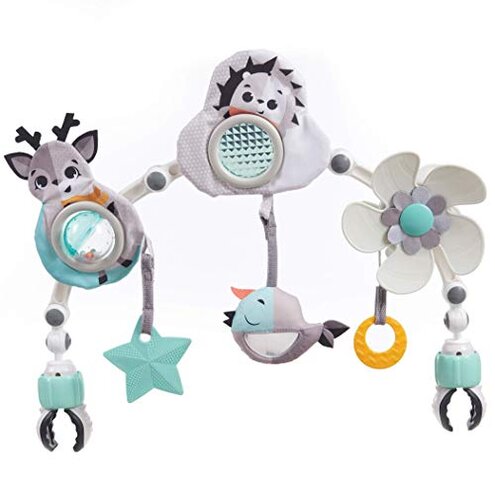
Product evaluated: Tiny Love Luxe Developmental Gymini – Black & White Décor Collection, Black
Related Videos For You
Looking for a Better Baby Exercise Solution? Try Baby Gym Play Mats!
Worried About Your Baby Crawling Safely? Discover the Baby Crawling Mat!#Shorts
Data basis: This report is based on dozens of buyer feedback items collected from written reviews, star ratings, and photo/video add-ons spanning a recent multi-month window through early 2026. Most of the usable detail came from written experiences, with some support from visual posts that show real-life setup and day-to-day use.
| Buyer outcome | Tiny Love Luxe Gymini | Typical mid-range activity mat |
|---|---|---|
| Setup friction | Higher risk of fiddly assembly and re-adjusting parts | Moderate setup with fewer re-dos |
| Daily usability | More complaints about toys shifting or needing frequent repositioning | More stable play layout during repeat sessions |
| Sound experience | Higher-than-normal chance the music/noise becomes annoying in small spaces | Lower noise fatigue with simpler sound options |
| Value feel | More “not worth the price” reactions if one feature disappoints | Less value whiplash because expectations are simpler |
| Regret trigger | Baby likes it, but the adult ends up managing it constantly | Baby plays with fewer adult interventions |
Top failures
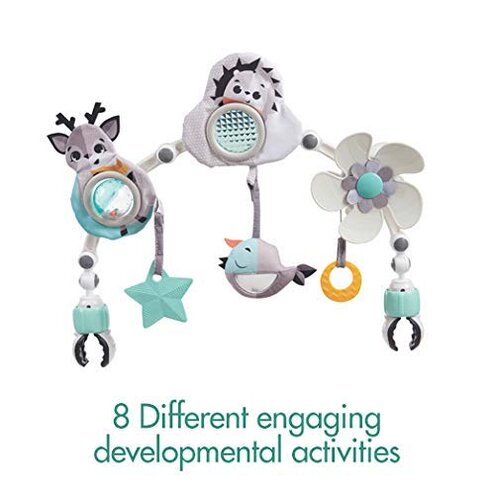
“Why am I constantly re-setting the toys and arches?”
Regret moment: You sit baby down, and within minutes you are re-centering the hanging toys or nudging the layout back into place.
Severity: This is a primary frustration because it disrupts short play windows, especially when you are juggling feeds and naps.
Pattern: This appears repeatedly in buyer feedback, though it is not universal.
When it shows up: It tends to start after setup and becomes more obvious during daily handling when the mat gets moved room-to-room.
Why it feels worse: Most mid-range mats are not perfect, but they are usually more set-and-forget for a single session.
- Early sign: Toys don’t hang where you expect, so you keep repositioning them.
- Frequency tier: A primary issue because it comes up in normal play, not rare edge use.
- Worsens when: You move the mat often or adjust the arches to reduce stimulation.
- Impact: Shortens independent play because the adult becomes the play-mat manager.
- Fixability: Some buyers reduce frustration by choosing fewer toys, but that adds a trade-off versus the “20 activities” promise.
- Hidden requirement: Works best if you can leave it set up in one spot, which many homes cannot do.
“Is the music and noise going to drive me crazy?”
Regret moment: The musical toy is cute for baby, but the repeated sounds start feeling like a loop during long days.
Severity: This is a secondary issue, but it can become a deal-breaker in apartments or open-plan rooms.
Pattern: The noise-fatigue complaint shows up less often than setup friction, but it is more emotionally disruptive when it occurs.
When it shows up: It usually hits during daily use once baby repeatedly triggers the sound feature.
Why it feels worse: Many mid-range mats have simpler sound, so the adult annoyance factor is often lower by default.
- Trigger: Repeated kicking or grabbing can set off the sound more than you expect.
- Scope: Seen across multiple buyer write-ups, suggesting it is not a one-off tolerance issue.
- Worsens when: You are in a small room, on calls, or trying to keep the environment calm.
- Workaround: Some buyers remove or mute the musical piece, which reduces the feature value.
- Value hit: Paying for “interactive” and then disabling it creates regret.
- Household impact: Older siblings and adults may find the repetition more irritating than expected.
- Category contrast: A basic mat can be quieter, even if it is less feature-rich.
“Does it feel worth the price once it’s in my living room?”
Regret moment: You expected a “luxe” experience, but a few small annoyances make it feel like you paid for extras you do not use.
Severity: This is a primary complaint because it lingers even if baby enjoys the mat.
Pattern: Value disappointment appears repeatedly, often tied to one feature not meeting expectations.
When it shows up: It becomes clear after the first week, when the novelty fades and you judge it on convenience.
Why it feels worse: Mid-range mats get more forgiveness because the promise is simpler, while “luxe” sets a higher bar.
- Expectation gap: “Modern décor” visuals do not erase day-to-day hassle for some households.
- Frequency tier: A primary issue because it relates to the core decision to spend more.
- Worsens when: You expected it to replace a bouncer or keep baby engaged for long stretches.
- Trade-off: More activities can mean more pieces to manage, not always more ease.
- Attempts: Buyers often try rotating toys or changing the layout to “make it worth it.”
- Fixability: You cannot “fix” value; you can only accept fewer used features.
- Category contrast: A simpler mat can deliver the same tummy-time utility with less buyer’s remorse.
- Decision tip: If you want one signature toy, buying that separately can feel more efficient.
“Is it too stimulating for a newborn day?”
Regret moment: You bought it for early development, but you find yourself removing pieces because baby gets overwhelmed or distracted.
Severity: This is a secondary issue that becomes big if your baby is sensitive to busy scenes.
Pattern: Not universal, but a persistent theme among buyers who wanted calm, simple tummy-time.
When it shows up: Most noticeable in the first weeks, when you are experimenting with short sessions.
Why it feels worse: Many mid-range mats start simpler, while this one pushes “more to do” out of the box.
- Early sign: You end up removing toys to reduce visual clutter.
- Hidden requirement: You may need to curate the setup each session, which adds extra steps.
- Worsens when: Baby is tired, fussy, or you are trying to use it before naps.
- Impact: It becomes less of a “set it down” solution and more of a stimulation dial.
- Workaround: Use the book or a single toy only, which reduces the benefit of the full kit.
- Frequency tier: A secondary issue that depends heavily on your baby’s temperament.
- Category contrast: Some mats are calmer by default, so they require less adult judgment.
Illustrative excerpts
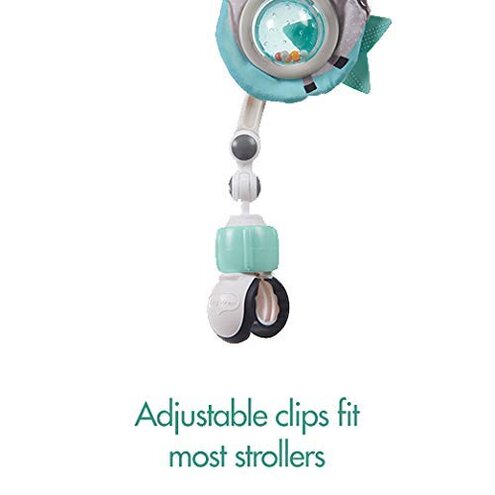
- Illustrative: “I’m adjusting the hanging toys more than my baby plays.” Primary pattern tied to repeated re-positioning.
- Illustrative: “Cute music, but it gets old fast in a small apartment.” Secondary pattern tied to noise fatigue.
- Illustrative: “For the price, I expected fewer little annoyances.” Primary pattern tied to value disappointment.
- Illustrative: “We ended up using only two toys and storing the rest.” Secondary pattern tied to overstimulation management.
- Illustrative: “Works best if you can leave it set up, which we can’t.” Edge-case pattern that spikes in small spaces.
Who should avoid this
- Small-space households where sound and visual stimulation are hard to escape, because noise fatigue is a recurring complaint.
- Minimalist parents who want one quick setup, because repeated feedback flags repositioning and ongoing adjustments.
- Value-sensitive buyers comparing mid-range mats, because “luxe” creates a higher bar that some feel it misses.
- Low-bandwidth caregivers who need true hands-off play windows, because this can add extra steps each session.
Who this is actually good for
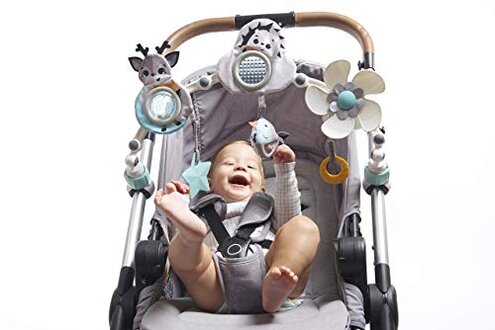
- Design-forward homes that want the black-and-white look and can tolerate ongoing tweaks for aesthetics.
- Hands-on caregivers who enjoy rotating toys and “setting the scene,” because the modular approach rewards active management.
- Babies who crave stimulation, where extra toys and sound can be a benefit, and the adult is willing to manage noise control.
- One-room setup households that can leave it assembled, because that reduces the most common reset friction.
Expectation vs reality
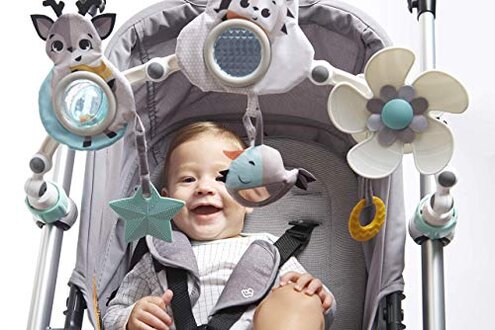
Expectation: A reasonable goal for this category is a mat you set up once and use with small tweaks.
Reality: Feedback shows more re-adjusting than typical, especially when you move it or change configurations.
- Expectation: “Interactive” sound adds fun without changing the room’s vibe.
- Reality: Some buyers report noise burnout during long days, leading to removing or avoiding the feature.
| Promise | What can happen |
|---|---|
| Luxe feel | Higher disappointment if one key feature annoys you |
| 20 activities | More decision-making and piece management than expected |
Safer alternatives
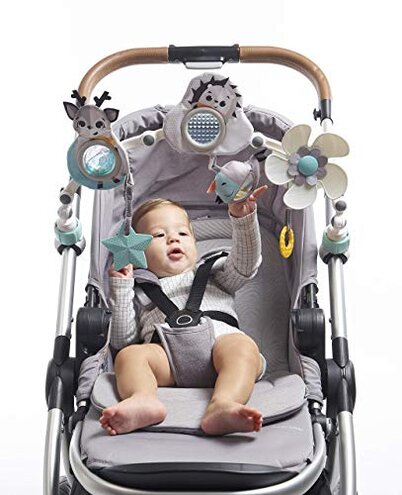
- Choose simpler play gyms if you want less re-positioning, because fewer hanging pieces usually means fewer daily resets.
- Prioritize mute or no-sound toys if you work from home, to reduce the risk of sound fatigue during repeat triggering.
- Look for easy fold-and-store designs if you cannot leave it out, which neutralizes the hidden requirement of being left assembled.
- Buy for one core purpose first, like tummy time or grasping toys, to avoid “feature overload” that can create value regret.
The bottom line
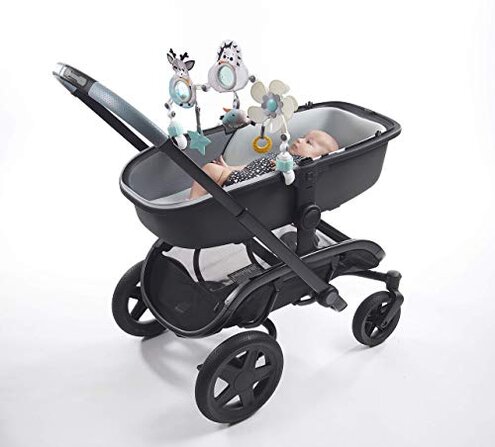
Main regret tends to be adult friction, like constant repositioning and managing stimulation, even when baby enjoys it.
Why it’s riskier than typical mid-range mats is that the added features can add extra steps and noise, not just enrichment.
Verdict: Avoid if you need a quiet, low-maintenance play mat, or if “luxe” pricing will bother you when any feature disappoints.
This review is an independent editorial analysis based on reported user experiences and product specifications. NegReview.com does not sell products.