
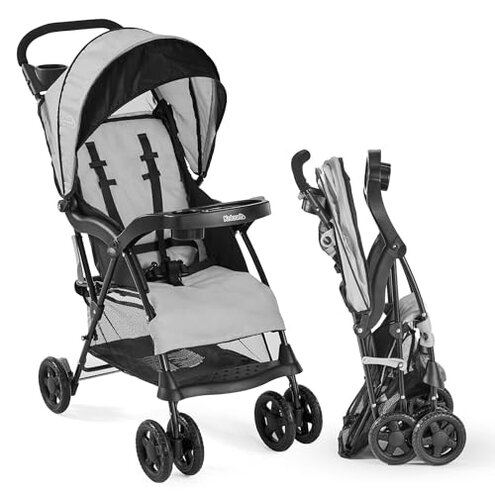
Product evaluated: Kolcraft Cloud Plus Lightweight Umbrella Stroller for Toddlers with Reclining Seat, Large Storage Basket, Canopy, Infant & Parent Trays, Compact Fold for Summer Travel, Durable Frame, Slate Gray
Related Videos For You
How to Fold the Chicco Liteway Umbrella Stroller
How to fix your stroller's tendency to steer to one side
Data basis for this report comes from hundreds of aggregated buyer notes collected across a mix of written reviews, star ratings, and some photo/video-backed feedback from 2016–2026. Most signals come from longer written explanations, with supporting short-form ratings that repeat the same pain points during daily outings and travel.
| Buyer outcome | Kolcraft Cloud Plus | Typical mid-range umbrella stroller |
|---|---|---|
| Steering feel | Higher risk of pull and front-wheel chatter during turns. | More consistent tracking on smooth paths and store floors. |
| Fold reliability | More fiddly fold that can take extra steps under time pressure. | More forgiving fold with fewer “why won’t it latch” moments. |
| Daily durability | Higher-than-normal wear complaints tied to wheels and joints with repeated use. | Moderate wear that usually shows later with heavy mileage. |
| Nap comfort | Mixed comfort due to recline angle and head slump during long outings. | More predictable nap posture for average toddlers. |
| Regret trigger | “Travel-friendly” but becomes a two-hand hassle when you’re rushing through airports. | Less drama when folding, pushing, and carrying in crowds. |
Top failures
“Why does it feel hard to push straight?”
Regret usually hits on the first busy outing, when the stroller starts to feel like it wants to steer itself. For an umbrella stroller, some vibration is normal, but this shows up as a more disruptive “fight the handles” moment than many shoppers expect.
Pattern shows up repeatedly across feedback, especially during longer walks and frequent turning. Worsens when you’re on textured sidewalks, theme-park pavement, or you’re pushing one-handed with a bag.
Category contrast: Mid-range umbrella strollers can be twitchy, but many buyers describe this as more fatiguing and less predictable during errands. That difference matters when you’re also carrying a diaper bag or managing a second child.
- Early sign: The front end can “chatter” when you start moving on rougher ground.
- Primary issue: Push force feels higher than expected during turns and tight aisles.
- Scope: The complaint appears repeatedly across many buyer write-ups.
- Travel impact: Steering frustration spikes when weaving through crowds and security lines.
- Mitigation: Keeping loads light and centered can reduce pull, but it adds extra attention.
- Fixability: Some buyers report partial improvement after checking wheel alignment, yet it is not universal.
- Illustrative: “It rolls, but I’m constantly correcting it.” Primary pattern.
“Why is the fold not as easy as promised?”
- Regret moment: The fold becomes stressful when you’re holding a child and need a quick collapse.
- Secondary issue: Latching and keeping it closed can take extra steps compared with similar strollers.
- When it happens: It shows up most during car loading and public transit transitions.
- Worsens: The annoyance increases when you do frequent fold/unfold cycles in a single day.
- Hidden requirement: You may need to learn a very specific hand sequence to get a consistent fold.
- Category contrast: Many mid-range options still aren’t “one-touch,” but they are often more repeatable under pressure.
- Attempts: Buyers often try adjusting the seat position before folding, which adds time in real use.
- Illustrative: “I can fold it, but not while juggling my toddler.” Secondary pattern.
“Will it hold up past the first trip?”
- Primary risk: Wear and looseness complaints appear repeatedly after repeated outings.
- When it shows: Problems are more likely after frequent curb bumps, gate checks, and daily trunk loading.
- What buyers notice: More rattling, more play in the frame feel, and a less solid push.
- Scope: This is persistent but not universal, suggesting inconsistent longevity by unit or usage style.
- Category contrast: Lightweight strollers do wear, but buyers commonly describe this as sooner than expected for mid-range pricing.
- Time cost: Some owners report having to re-check tightness and alignment more often than a typical alternative.
- Mitigation: Gentler handling helps, but it conflicts with real travel where you need speed and toughness.
- Illustrative: “Great for a week, then it started feeling loose.” Primary pattern.
“Does the recline actually work for naps?”
- Secondary issue: Recline comfort is mixed, especially for kids who slump when they fall asleep.
- When it matters: The downside shows up during long outings when you expect an easy stroller nap.
- What worsens it: Bumpy paths and frequent stops can shift posture and increase head bob.
- Category contrast: Umbrella strollers are not nap-perfect, but many mid-range models deliver a more stable lounge angle.
- Workarounds: Buyers mention adjusting recline repeatedly, which adds micro-hassles throughout the day.
- Not universal: Kids who sit upright happily may not trigger this complaint as often.
- Illustrative: “My child slides down and wakes up annoyed.” Secondary pattern.
Who should avoid this
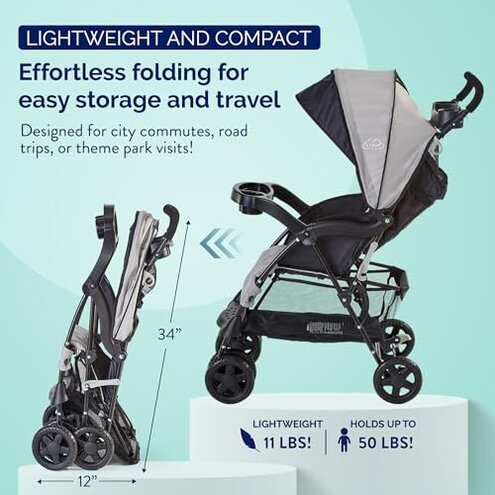
- Frequent travelers who need a truly predictable fold during gate checks and shuttle transfers.
- Long-walk families who do parks or daily errands and can’t tolerate steering fatigue.
- Nap-dependent toddlers where a stable recline is the difference between calm and meltdowns.
- Heavy-use households expecting mid-range durability with low upkeep and fewer loose-feel surprises.
Who this is actually good for
- Occasional-use families who want a light stroller for short trips and can tolerate fiddlier folding.
- Car-first outings where you roll mostly on smooth floors and accept some front wheel chatter outside.
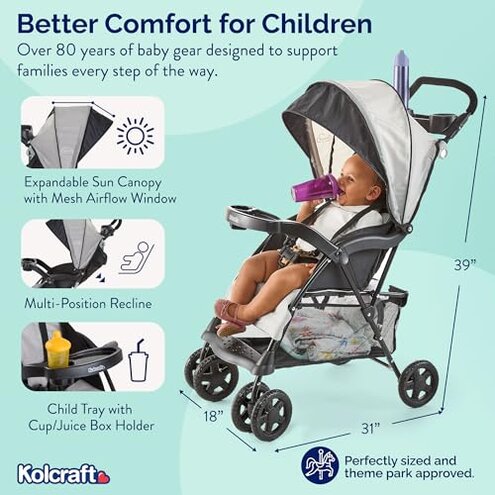
- Budget-conscious shoppers who prioritize included trays and storage and accept a higher wear risk.
- Older toddlers who sit upright most of the time, making the recline quirks less relevant.
Expectation vs reality
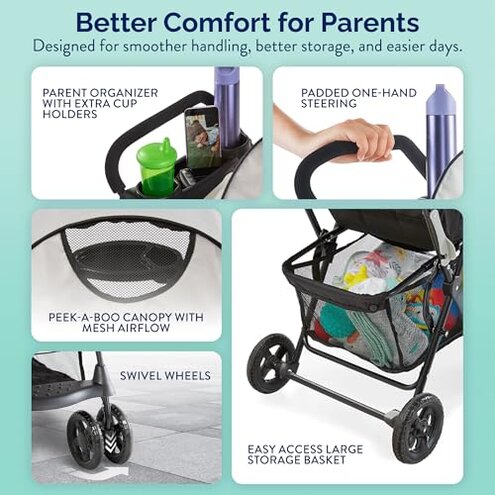
Expectation: A lightweight umbrella stroller should be a little twitchy, which is reasonable for this category.
Reality: Feedback repeatedly frames the steering as more fatiguing than typical, especially one-handed in crowds.
- Expectation: “Compact fold” means you can do it quickly when you’re rushing.
- Reality: The fold can be sequence-sensitive, so speed depends on practice and patience.
| Expectation | Reality in use |
| Travel durability for repeated load-ins. | Earlier looseness is a recurring theme for heavier weekly mileage. |
| Recline comfort for stroller naps. | Mixed posture reports during long days and bumpy surfaces. |
Safer alternatives
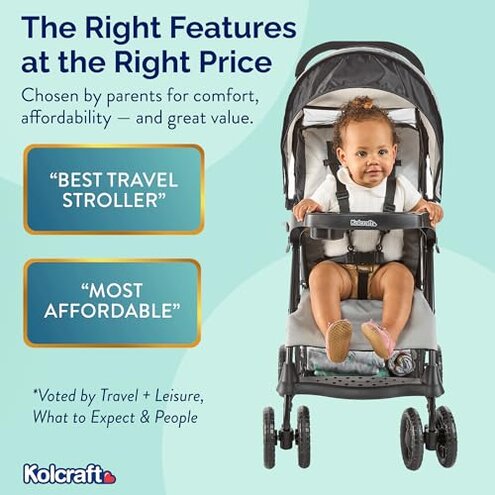
- Prioritize steering: Choose a mid-range umbrella stroller noted for straight tracking to reduce daily fatigue.
- Test the fold: Look for a fold that latches with one clear motion to avoid sequence learning under stress.
- Buy for mileage: If you walk daily, favor models with stronger “holds up” feedback to lower early looseness risk.
- Nap needs: If naps matter, seek a stroller with more consistent recline support to reduce sliding and wake-ups.
The bottom line
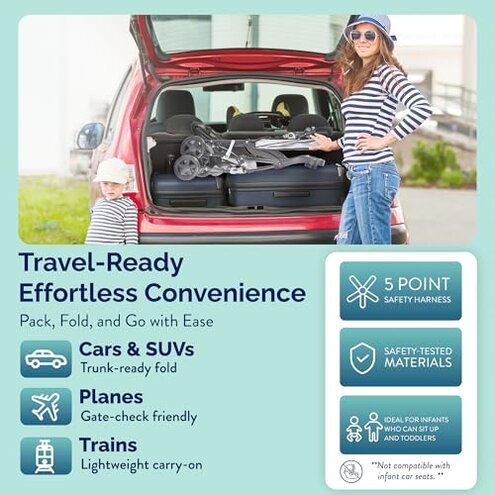
Main regret is the mismatch between “easy travel stroller” expectations and recurring real-world friction with steering and fold reliability. Category risk feels higher than normal because the same issues show up during the exact moments you buy a travel stroller for.
Verdict: If you need dependable handling and a stress-free fold, this is a skip. If you only need occasional light-duty use, you may accept the trade-offs.
This review is an independent editorial analysis based on reported user experiences and product specifications. NegReview.com does not sell products.