
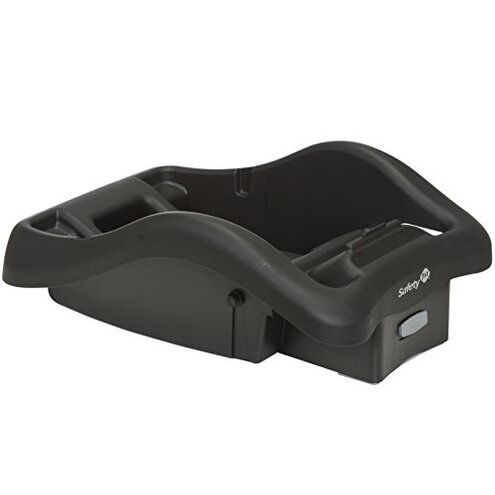
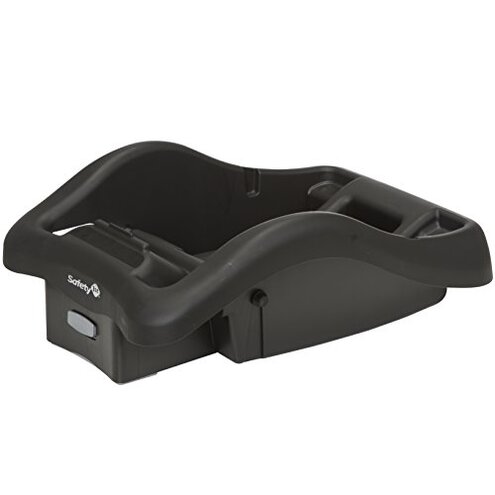
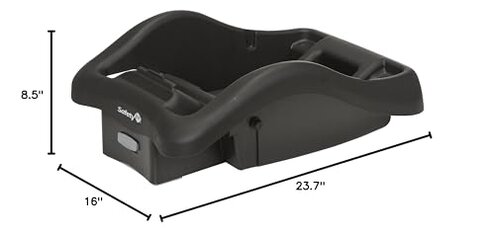
Product evaluated: Safety 1st onBoard 35 LT Adjustable Infant Car Seat Base
Related Videos For You
Infant car seat installation
Data from hundreds of buyer reviews and demonstration videos was aggregated through June 2024. Most feedback came from written reviews, supported by video demonstrations and Q&A posts across multiple sellers.
| Outcome | Safety 1st Base | Typical Mid-range Base |
|---|---|---|
| Installation time | Longer than most buyers expect; extra adjustments and checks are commonly reported. | Standard mid-range bases usually install faster with clearer indicators. |
| Stability over time | Prone to loosening with frequent seat transfers per repeated user reports. | More durable tightening and fewer readjustments required. |
| Compatibility | Limited fit requires specific vehicle setups or belt routing in some cars. | Broader vehicle compatibility in typical mid-range alternatives. |
| Ease of daily use | Higher friction when removing the seat; daily docks feel stiff to many buyers. | Smoother release mechanisms on comparable bases. |
| Regret trigger | Installation & fit headaches are the primary complaint and a higher-than-normal risk for this category. | Lower regret risk when fit and instructions are clearer. |
Top failures
Why does installation take so long and feel uncertain?
Regret moment comes during first install when aligning the base and getting a tight fit takes extra time. Severity is high for new parents who expect a quick one-person setup.
Pattern is commonly reported and appears repeatedly in written reviews and videos after first use. Category contrast shows this base requires more fiddling than a typical mid-range base.
Does this base require special vehicle conditions?
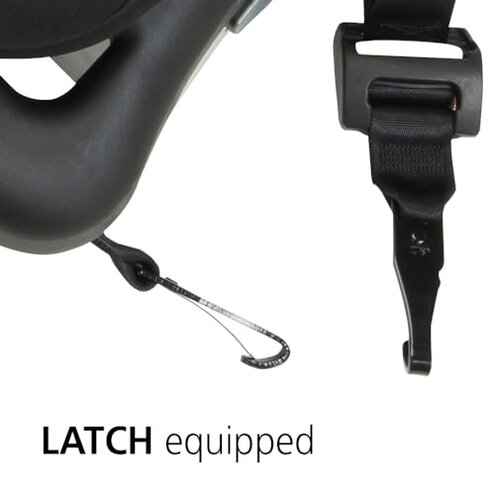
- Early sign — tight LATCH connectors or odd belt angles appear during first install in some cars.
- Frequency tier — secondary issue seen across multiple feedback sources rather than universal.
- Cause — limited belt path geometry or LATCH anchor placement in certain vehicles.
- Impact — may force you to use the seat belt method, adding extra time and complexity.
- Hidden requirement — some vehicles need a specific belt routing for safety, which is not obvious from the base alone.
Why does the seat feel loose or hard to release after everyday use?
- Primary pattern — wobble or shifting is commonly reported after repeated transfers between cars.
- When it appears — usually after multiple seat installs and removals over weeks of daily use.
- Cause — latch tension and base-to-vehicle friction can reduce clamping force over time.
- Impact — you must retighten or re-level more often than with many mid-range bases.
- Attempts — users repeatedly re-clamp or re-thread the belt to restore stability.
- Fixability — often fixable by frequent readjustment, but that adds ongoing maintenance.
Why do the indicators, instructions, and daily handling feel more work than expected?
- Clarity — level and lock indicators are described as confusing in a persistent set of reviews.
- Learning curve — setup and verification take longer than reasonable for this category.
- User burden — parents report needing two people or extra time to verify proper installation.
- Documentation — instructions are rated less helpful compared with typical mid-range competitors.
- Daily use — removing and re-docking the carrier feels stiff, increasing time per trip.
- Hidden step — some vehicle installations require switching from LATCH to seat belt routing, a non-obvious extra step.
- Repairability — when clips or tensioners loosen, buyers describe a multi-step correction rather than a single quick fix.
Illustrative excerpts (not real quotes)
Illustrative: "Took two people and a half hour to get the base tight and level."
Pattern: reflects a primary installation frustration in many reviews.
Illustrative: "Seat seems to wiggle after a week of daily swaps between cars."
Pattern: reflects a secondary wear-and-loosen pattern over repeated use.
Illustrative: "Release lever is stiff and I had trouble popping the carrier out."
Pattern: reflects an edge-case but persistent daily-handling complaint.
Who should avoid this
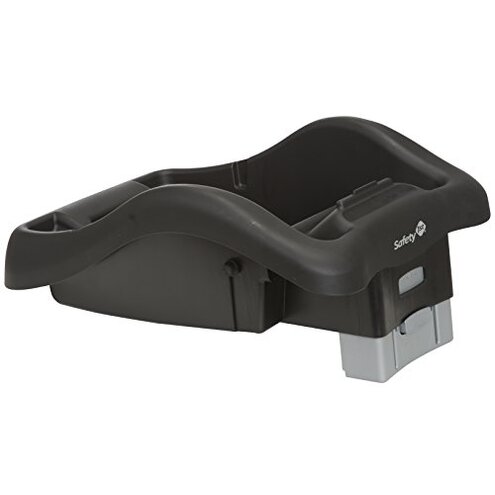
- Frequent travelers who swap the carrier daily between cars should avoid it due to repeated readjustments.
- Single caregivers expecting one-person, fast installs should avoid it because alignment often needs an extra hand.
- Owners of compact cars with unusual belt angles should avoid it unless you can confirm fit in your vehicle first.
Who this is actually good for
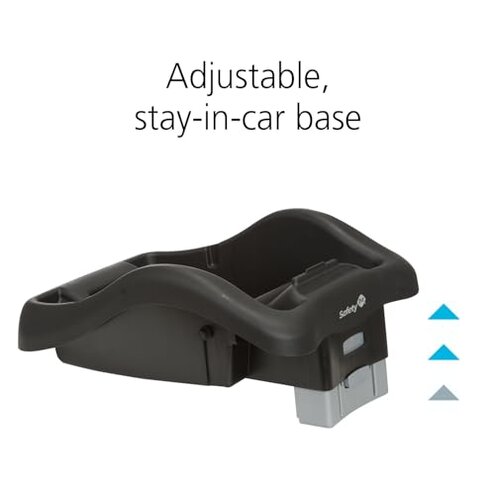
- Budget-conscious buyers who accept occasional retightening to save on cost.
- Homes with one dedicated car where you install once and rarely move the base.
- Shoppers comfortable with maintenance who can commit to checking tension weekly.
Expectation vs reality
Expectation — reasonable for this category to expect fast one-person installation and clear indicators. Reality — many buyers report slower installs and ambiguous indicators that need verification.
Expectation — a base should remain tight after normal use. Reality — several reports show loosening after regular seat transfers.
Safer alternatives
- Prefer a broader-fit base — pick models advertised for multiple vehicle types to reduce fit surprises.
- Choose easier-release mechanisms — look for bases with award-winning release designs to avoid daily friction issues.
- Look for clear indicators — prioritize bases with simple, color-coded level and lock indicators to cut verification time.
- Check vehicle compatibility first — test the base in your car before final purchase to avoid hidden belt routing steps.
The bottom line
Main regret is the installation and fit friction that creates ongoing maintenance. Why it exceeds normal risk is the repeated readjustments and hidden vehicle steps buyers report. Verdict — avoid if you need fast, no-fuss installation and daily ease.
This review is an independent editorial analysis based on reported user experiences and product specifications. NegReview.com does not sell products.