
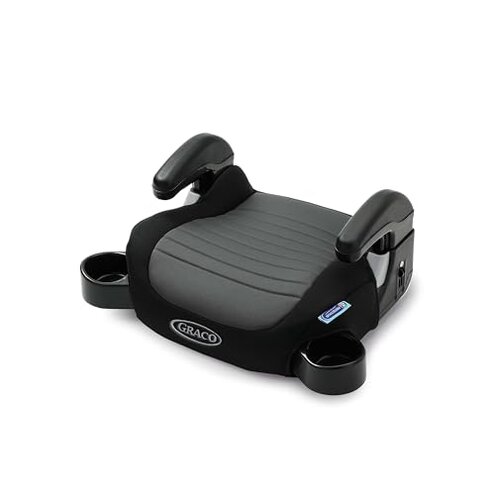
Product evaluated: Graco TurboBooster 2.0 Backless Booster Car Seat, Denton
Related Videos For You
Booster Seats: Properly Installing a No Back Booster Seat
Britax crash test shows dangers of booster seats
Data basis: This report aggregates feedback from dozens of written reviews and several video demonstrations collected between Nov 2022 and Feb 2026, with most feedback from written customer reviews supported by a minority of posted videos.
| Outcome | Graco TurboBooster 2.0 | Typical Mid‑Range Booster |
|---|---|---|
| Seat‑belt fit | Frequently misaligned reported belt shoulder placement that needs extra adjustments during each ride. | Usually better built to guide the belt with less hands‑on positioning in most cars. |
| Child comfort | Thin padding complaints after short use sessions, causing fidgeting on long drives. | Moderate padding in mid‑range models reduces complaints on longer trips. |
| Durability | Fragile parts such as cup holders and armrests reported to crack with regular use. | More robust components are common in mid‑range alternatives at similar prices. |
| Vehicle compatibility | Hidden fit issues happen on contoured seats and narrow vehicle buckets. | Broader fit designs on other boosters reduce compatibility problems. |
| Regret trigger | High if you expect consistent belt positioning and long‑term durability. | Lower for buyers who accept small maintenance and occasional part replacement. |
Top failures

Why won’t the seat belt stay in the right place?
Regret moment: You fasten your child and need to re‑position the belt several times before driving.
Severity: This is a primary, commonly reported issue that appears repeatedly in buyer feedback.
When it shows up: It occurs at first use and during daily rides, especially on vehicles with sloped or narrow seats.
Category contrast: More disruptive than typical boosters because it requires continual manual adjustment, not a one‑time tweak.
Is the seat uncomfortable for longer trips?
- Early sign: Kids start fidgeting within 20–30 minutes of sitting, indicating thin padding.
- Frequency tier: This is a secondary complaint seen across many written reviews.
- Root cause: Minimal cushioning and low side support make longer drives tiring for older kids.
- Impact: Leads to more stops, complaints, and refusal to sit still on family trips.
- Fixability: Temporary padding helps, but that adds extra cost and installation time.
Will parts hold up under regular use?
- Primary pattern: Cup holders and plastic trims reported to crack after months of normal use.
- When it happens: Damage appears after repeated docking, removal, or cleaning cycles.
- Cause: Thin molded plastics and stress at attachment points are commonly cited.
- Impact: Breakage reduces functionality and can create small sharp edges.
- Attempted fixes: Buyers often tape or replace parts, which is more effort than typical for this price range.
- Category contrast: Less durable than average mid‑range boosters where cup holders survive normal wear.
- Hidden cost: Replacement parts or DIY fixes add time and expense not expected at this price.
Does this seat work in every car seat shape?
- Hidden requirement: The booster often needs a flat vehicle seat pan and firm backrest to align the belt.
- Usage anchor: Problems surface during first installation and on family road trips when moved between cars.
- Pattern: This is a persistent compatibility issue seen across different feedback sources.
- Worsens when: Installed in bucket seats, deeply contoured seats, or seats with heavy bolstering.
- Impact: You may need to swap boosters per vehicle or accept poor belt geometry.
- Attempted workaround: Users add towels or foam shims to force fit, which is insecure and inconvenient.
- Category contrast: Worse than expected because many mid‑range boosters sport geometry that fits more vehicles without shims.
- Fixability: Only resolved by choosing a different booster designed for contoured seats.
Illustrative excerpts
Illustrative: "Keeps sliding, shoulder belt ends up across my child’s neck every ride."
Pattern type: Reflects a primary pattern of belt misalignment.
Illustrative: "Cup holder snapped off after three weeks of use, disappointing for price."
Pattern type: Reflects a secondary durability problem.
Illustrative: "Fits poorly in our SUV bucket seat; needed a towel shim to sit right."
Pattern type: Reflects an edge‑case compatibility requirement.
Who should avoid this
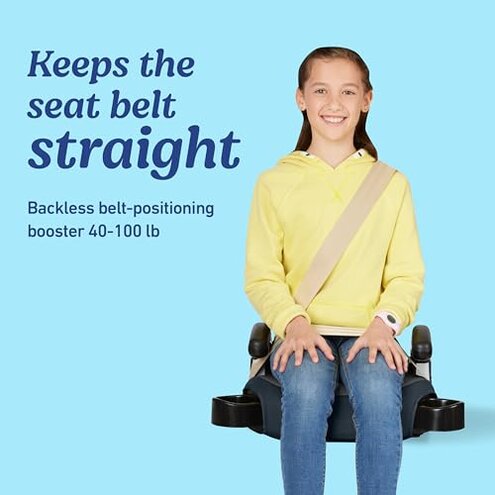
- Frequent travelers: Avoid if you need consistent belt positioning across multiple vehicles.
- Long‑drive families: Avoid if your kids need comfortable padding for long trips.
- Buyers wanting low maintenance: Avoid if you dislike DIY fixes or replacing fragile parts.
- Owners of contoured seats: Avoid if your car has deep bucket or heavily bolstered seats.
Who this is actually good for
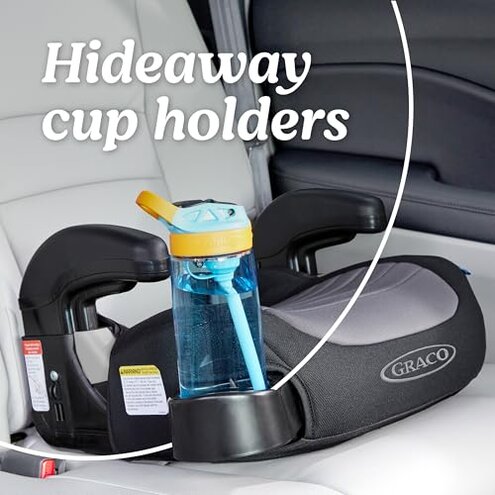
- Budget shoppers: Good if you accept occasional belt adjusting to save money.
- Single‑car households: Good if you keep the booster in one flat vehicle seat most of the time.
- Short‑trip users: Good if rides are brief and padding complaints are less important.
- DIY tolerators: Good if you’re willing to add aftermarket padding or tape fragile parts.
Expectation vs reality
- Expectation: Reasonable for this category to guide the belt without constant re‑readjustment.
- Reality: The TurboBooster often requires repeated belt repositioning during daily use, increasing driver distraction.
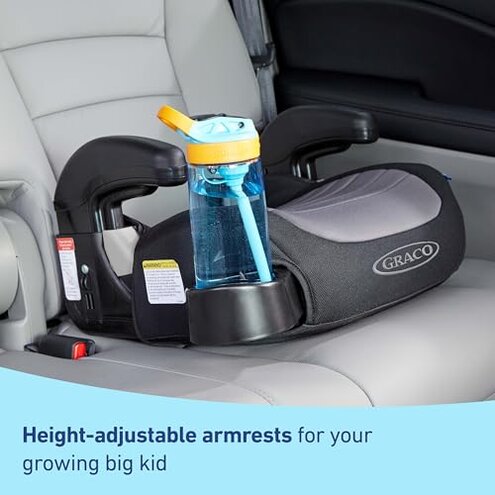
- Expectation: Reasonable for cup holders to survive normal docking and cleaning.
- Reality: Cup holders and trims can crack under normal handling, creating extra repair steps.
Safer alternatives
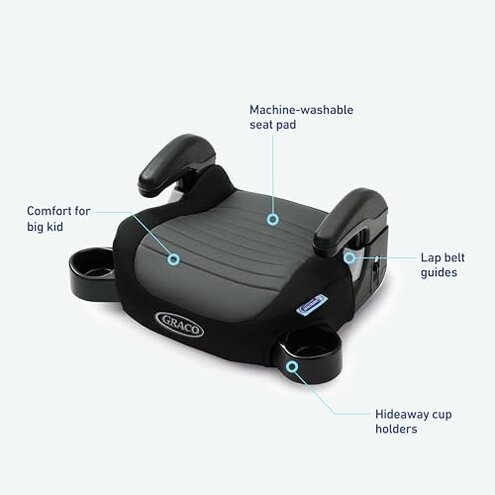
- Check belt guides: Pick boosters with molded belt guides if you want stable shoulder positioning in varied cars.
- Prioritize padding: Choose models with thicker seat cushions for long trips and less fidgeting.
- Inspect parts: Look for reinforced cup holders and metal‑reinforced attachment points for durability.
- Vehicle fit test: Try the booster in your vehicle before buying to avoid hidden compatibility issues.
- Warranty check: Prefer seats with clear replacement parts or longer warranties to reduce post‑purchase repairs.
The bottom line
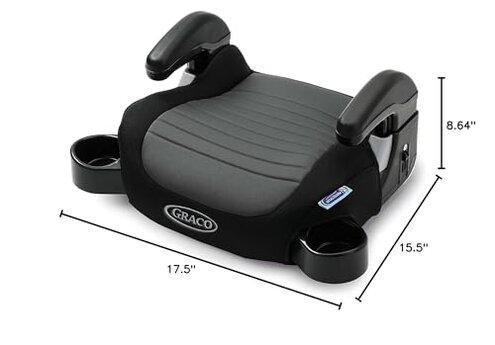
Main regret: The primary issue is inconsistent seat‑belt fit that often requires repeated adjustment and shims.
Why it matters: This exceeds normal category risk because it increases driver distraction and adds hidden maintenance costs.
Verdict: Avoid this booster if you need reliable belt positioning, broad vehicle compatibility, or long‑term durability.
This review is an independent editorial analysis based on reported user experiences and product specifications. NegReview.com does not sell products.