
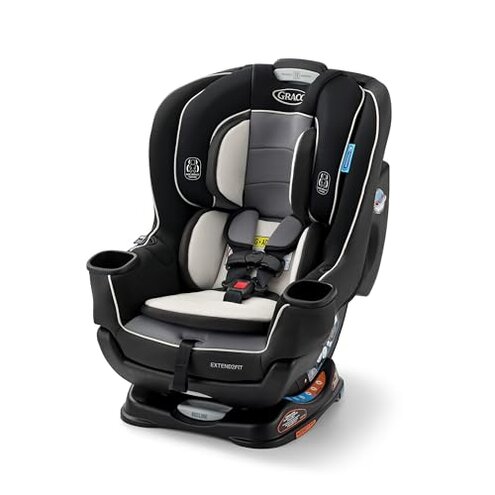
Product evaluated: Graco Extend2Fit Convertible Baby Car Seat, Rear and Forward Facing, Adjustable Extension Panel for Extra Legroom, Gotham
Related Videos For You
How to Install the Graco 4Ever All-in-One Convertible Car Seat - Babylist
GRACO 4Ever Convertible Carseat [Product Review] Infant, Convertible, Booster, and Backless Booster
Data basis: this report used hundreds of buyer comments collected from written reviews and video demonstrations between Jan 2023 and Jan 2026. Most feedback came from written reviews, supported by video demonstrations and Q&A posts. The signal is qualitative: common setup photos, step reports, and repeat complaints informed the findings.
| Outcome | This seat | Typical mid-range |
|---|---|---|
| Installation ease | Higher friction: several buyers report difficult routing and repeated re-tightening. | Smoother: many mid-range seats use simpler belt paths and clearer guides. |
| Daily adjustments | Annoying: harness/headrest syncing can require extra steps. | Quicker: comparable seats often have fewer steps to adjust harness height. |
| Vehicle fit | Space-sensitive: extension panel needs room and can conflict with some rear seats. | More compact: many alternatives are easier to fit into tighter cars. |
| Cleaning & upkeep | More effort: heavy padding and covers add cleaning time and reassembly steps. | Lower maintenance: some mid-range models have easier-to-remove covers and lighter shells. |
| Regret trigger | High: installation friction and vehicle-space needs are a common reason buyers consider returns. | Lower: mid-range seats less often trigger returns for fit or setup frustration. |
Top failures
Why does installation feel so difficult?
Regret moment: buyers report long setup time and multiple attempts before the seat feels secure.
Pattern: this is a primary issue that appears repeatedly in written feedback and video builds.
When: shows up during first install and whenever the seat is moved between vehicles.
Category contrast: more installation steps than many mid-range convertible seats, which raises the chance of improper installs.
Are harness and headrest adjustments annoying?
- Primary pattern: many buyers report the harness/headrest sync is helpful but adds extra steps compared to simpler systems.
- Usage anchor: appears during daily transfers and height changes as the child grows.
- Cause: the combined adjuster prevents separate fine-tuning when only harness or headrest needs change.
- Impact: more time and fuss when seating squirmy toddlers.
- Fixability: doable but requires practice and repeated adjustments.
Is the seat heavy or hard to clean?
- Maintenance: the seat feels bulky to lift and move for many caregivers.
- Early sign: weight is noticeable when carrying the seat into the car.
- Frequency tier: secondary issue—common among daily users and families who swap seats frequently.
- Cause: thick padding and built-in extension panel add mass and reassembly steps.
- Impact: longer cleanup time after spills and more effort removing covers.
- Attempts: buyers often hand-wash or spot-clean, which adds time and frustration.
- Hidden cost: extra laundry cycles and heavier handling accelerate wear compared with lighter models.
Will the extension panel cause fit problems in my car?
- Hidden requirement: the extension panel needs sufficient rear-seat depth to provide the promised legroom.
- Usage anchor: problem emerges during rear-facing installs in smaller cars or with shallow seatbacks.
- Pattern: an edge-case issue that appears across vehicle types but is persistent where space is limited.
- Why worse: unlike many competitors, this seat's longer footprint increases fit sensitivity.
- Impact: may prevent rear-facing use to the claimed limit or cause pressure points.
- Workaround: requires measuring vehicle space before buying or testing in person.
- Fixability: partial—some buyers need a different model for narrow cars.
Illustrative excerpts (not real quotes)
"Took three tries to tighten the belt and lock it in place." — reflects a primary pattern.
"Heavy to move between cars and hard to get the cover off." — reflects a secondary pattern.
"Extension panel hit the seat in front; didn't fit my sedan well." — reflects an edge-case pattern.
Who should avoid this
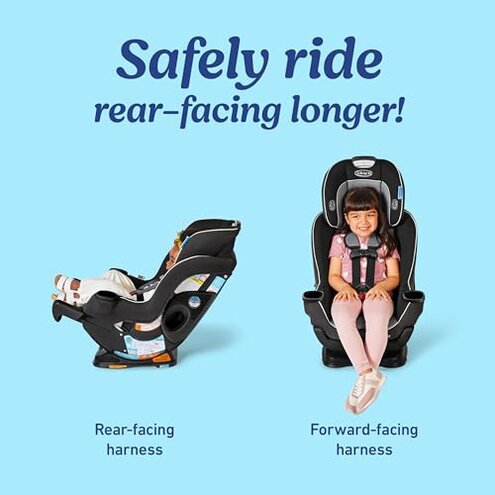
- Small-car owners: avoid if your rear seat is shallow because the extension panel may not fit.
- Frequent installers: avoid if you move the seat between vehicles often due to installation friction.
- Caregivers after low upkeep: avoid if you want minimal cleaning effort and lighter weight.
Who this is actually good for
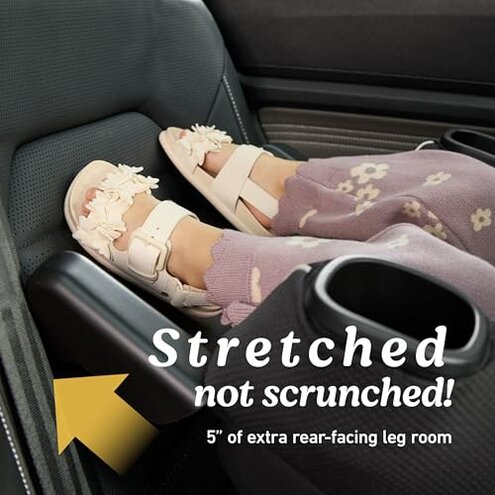
- Long rear-facing families: good if you value extra legroom and plan to keep the seat in one car, tolerating setup time.
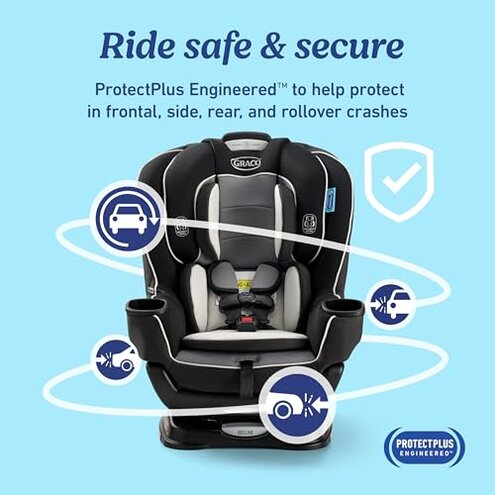
- Parents prioritizing safety features: good if you accept extra steps for the seat's tested impact protections.
- Spacious SUVs: good if you have roomy back seats where the extension panel fits without interference.
Expectation vs reality
Expectation: Buyers reasonably expect a modern convertible seat to install securely in a typical car with minimal fuss.
Reality: This model often requires extra time, careful belt routing, and space checks, making setup harder than typical mid-range seats.
Safer alternatives
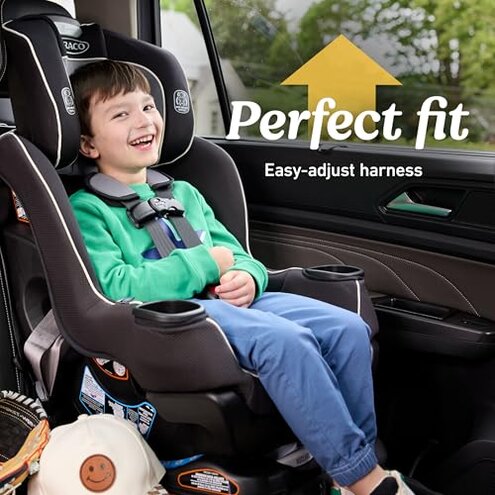
- Choose compact models to neutralize the extension-panel fit problem in tighter cars.
- Look for simpler harness systems if you want fewer daily adjustment steps and faster transfers.
- Test in-vehicle before purchase to avoid hidden fit requirements.
- Prioritize removable covers if cleaning time and reassembly are major concerns.
The bottom line
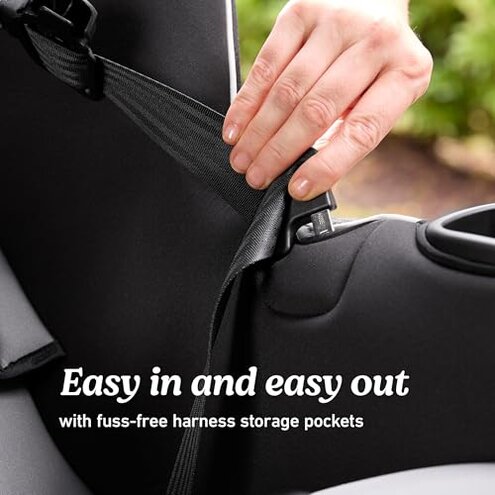
Main regret: installation friction and vehicle-space sensitivity are the most common reasons buyers consider returns.
Why it matters: these issues exceed typical category risk because they affect safety confidence and everyday convenience.
Verdict: avoid this seat if you frequently move seats, drive a small car, or need low-maintenance gear; consider it only when extra rear-facing legroom in one car is essential.
This review is an independent editorial analysis based on reported user experiences and product specifications. NegReview.com does not sell products.