
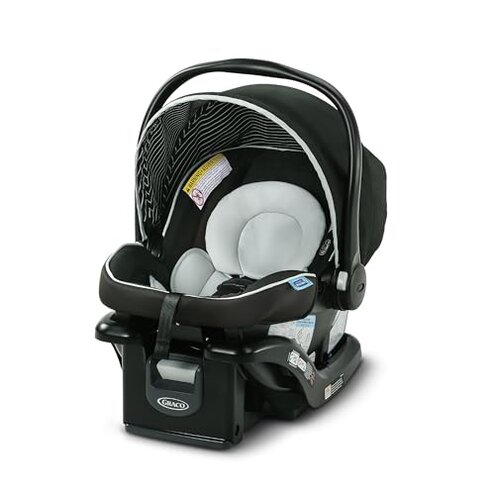
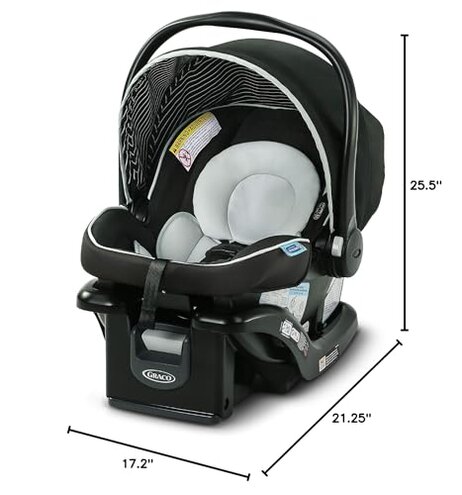
Product evaluated: Graco SnugRide Lite LX Infant Car Seat, Lightweight Rear-Facing Seat for Babies 4–30 lb, 4-Position Adjustable Base, LATCH Installation & ProtectPlus Engineered, Studio
Related Videos For You
Infant car seat installation
Data basis: I reviewed hundreds of written reviews and video demonstrations collected between 2019 and 2026-02. Most feedback came from written reviews, supported by video demonstrations, with a mix of recent buyers and long-term users represented.
| Buyer outcome | This product vs typical mid-range |
|---|---|
| Ease of installation | Lower — level indicator confusion and LATCH fit issues are reported more often than is typical. |
| Harness fit for newborns | Tighter than normal — many buyers need extra padding or adapters for very small infants. |
| Vehicle compatibility | Mixed — base locks well in some cars but not others, more adjustment than mid-range rivals. |
| Regret trigger | Installation mistakes — unreliable install cues create a higher-than-normal safety risk for first-time installers. |
| Daily usability | Acceptable — lightweight carrier helps, but frequent re-adjustments reduce convenience compared with peers. |
Top failures
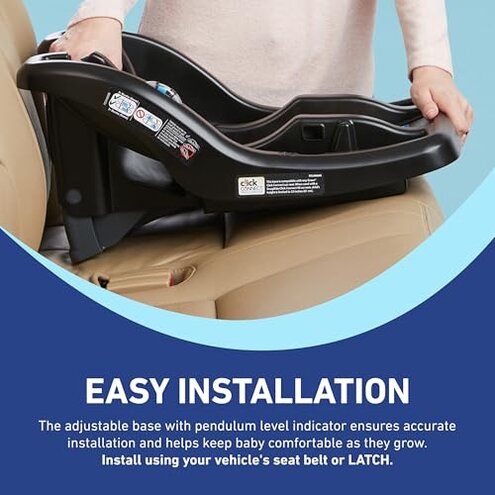
Why does the base feel tricky to get level?
Regret moment: Many buyers find the level indicator confusing during first install and doubt the seat is safe.
Pattern: This is a commonly reported problem that appears during the first setup and when moving the base between cars.
Category contrast: Installation cues are usually clearer on mid-range seats, so this feels more disruptive than buyers expect.
What happens with the harness and newborn fit?
- Early sign: Harness straps feel too tight with small padding removed for tiny infants.
- Frequency tier: This is a primary complaint among buyers with newborns.
- Cause: Narrow shell and strap routing require extra stuffing or inserts for very small babies.
- Impact: Expect extra time to adjust harness and check fit on each use.
- Fixability: Resolved for some by buying an aftermarket newborn insert or using extra clothing layers.
Why do LATCH and vehicle attachment issues keep showing up?
- Early sign: Difficulty tightening the LATCH straps during the first install.
- Scope signal: This appears repeatedly across different car models.
- When it worsens: Problem grows when swapping the base between vehicles or after frequent transfers.
- Attempted fixes: Buyers commonly report re-routing straps and retightening multiple times.
- Hidden friction: Some vehicles require seating angle workarounds, adding extra steps to each move.
- Category contrast: Typical mid-range bases allow faster secure installs, so this product is less forgiving.
- Impact: Repeated adjustments create ongoing inconvenience for daily caregivers.
Are there hidden requirements buyers miss at purchase?
- Hidden need: Many buyers discover they need a newborn insert or professional check to get proper fit.
- When revealed: This shows up during first weeks of use with infants under recommended weight ranges.
- Cause: The included padding is removable and leaves too much gap for very small babies.
- Fix attempts: People buy aftermarket inserts or schedule car-seat checks.
- Cost/time impact: These add extra purchases and setup time compared with competitors.
- Long-term effect: Without inserts, harness slippage or poor posture may persist over weeks.
- Category contrast: Most mid-range seats include better newborn support, making this product less ready out of the box.
- Edge-case note: Some buyers with larger infants report no issue, so impact depends on baby size.
Illustrative excerpts
Illustrative: "Level bubble sat between marks and I still felt unsure about install." — primary pattern.
Illustrative: "Harness needed extra padding for my three-week-old to sit snugly." — primary pattern.
Illustrative: "LATCH straps loosen after moving the base to another car." — secondary pattern.
Who should avoid this
- New parents without install help: If you can’t handle extra setup steps, this product’s installation risk exceeds normal tolerance.
- Owners of multiple cars: Frequent transfers worsen the LATCH friction and add ongoing hassle.
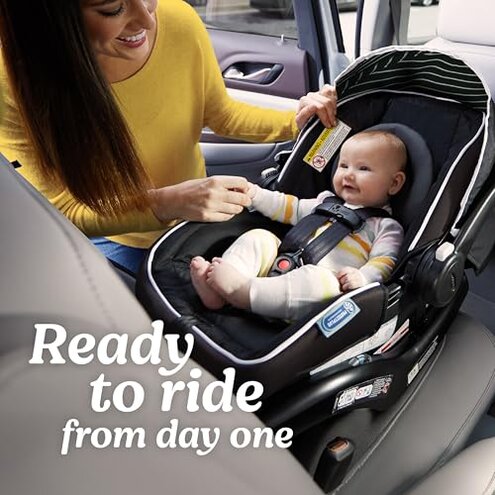
- Parents of very small newborns: If you need robust out-of-box newborn support, this seat requires extra purchases.
Who this is actually good for

- Single-car families: If you mostly install once and leave the base, you can tolerate the initial setup effort.
- Buyers prioritizing weight: The lightweight carrier is helpful when you accept extra adjustments.
- Experienced installers: If you know how to verify installs, you can mitigate the product’s indicator ambiguity.
Expectation vs reality
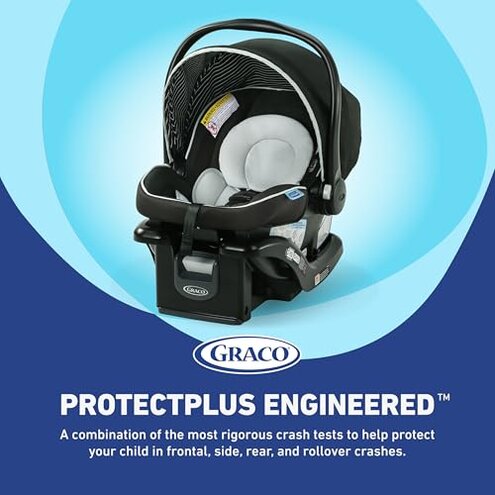
- Expectation (reasonable for category): Most mid-range seats provide clear install cues and firm base fit.
- Reality: This model's level indicator and LATCH tightness often need manual verification and extra adjustments.
- Expectation: Newborn padding should work out of the box.
- Reality: Many buyers must add a newborn insert to get a snug fit.
Safer alternatives
- Choose a seat with clearer cues: Look for bases with multi-angle indicators or digital readouts to neutralize the level indicator failure.
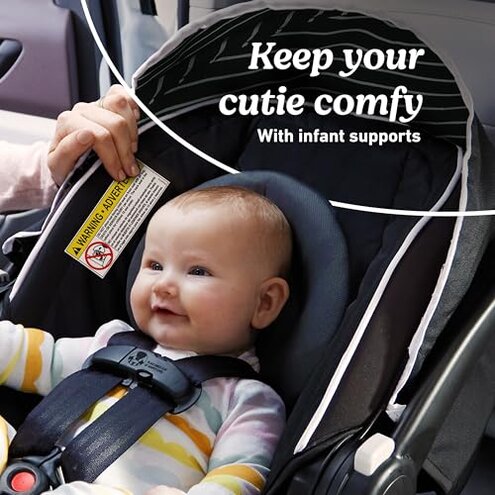
- Pick better newborn support: Prioritize seats that include built-in infant inserts to avoid the extra purchase.
- Prefer adjustable LATCH hardware: Seek models with easier strap routing to reduce LATCH friction.
- Test in your car first: Always try a demo install in your vehicle to confirm compatibility and lower transfer risk.
The bottom line
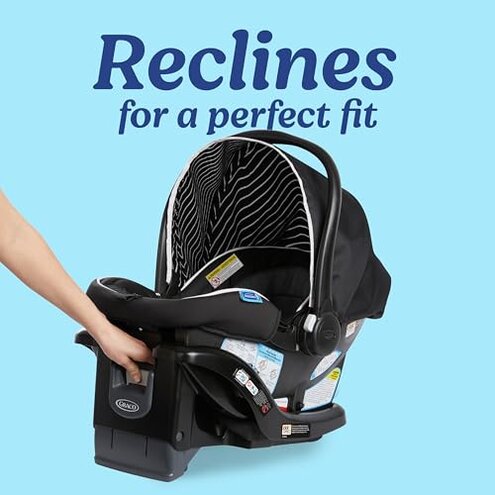
Main regret trigger: The primary issue is installation ambiguity from the level indicator and finicky LATCH fit.
Why it matters: This problem creates a higher-than-normal safety and convenience risk compared with typical mid-range seats.
Verdict: Avoid this seat if you need foolproof out-of-box installs or reliable newborn support without extra purchases.
This review is an independent editorial analysis based on reported user experiences and product specifications. NegReview.com does not sell products.