
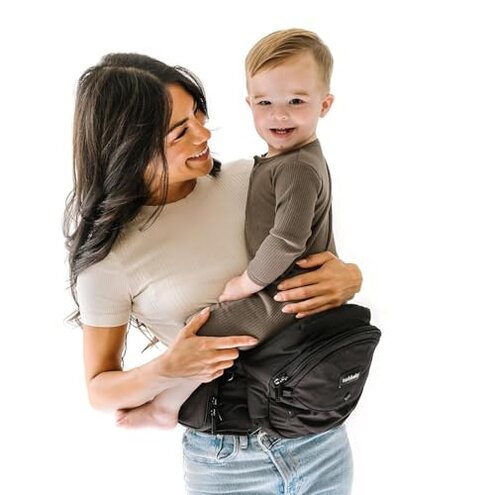
Product evaluated: Tushbaby The Original Premium Quality Hip Seat Carrier – Safety-Certified Baby & Toddler Carrier with Secure Safety Buckles, No-Flimsy-Foam Design, Storage Pockets & Nursing Pillow. 0–3 yrs
Related Videos For You
How Do I Hip Carry? | Omni 360 | Baby Carrier
Ultimate Ergobaby Baby Carrier Hack: The T-Shirt Method!
Data basis I analyzed dozens of customer reviews, Q&A posts, and video demonstrations collected through June 2024, with most feedback coming from written reviews and supported by visual demos. Source mix shows a strong weight from written buyers and many hands-on videos.
| Outcome | Tushbaby (this listing) | Typical mid-range carrier |
|---|---|---|
| Comfort on long use | Less comfortable for long walks; reported pressure on hips and back more often than expected. | Balanced comfort with wider padding and clearer weight transfer in most mid-range options. |
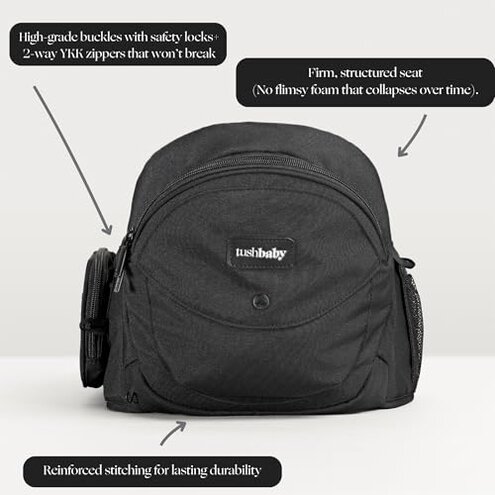
| Safety features | Higher-than-normal risk of loose-feeling buckles and strap creep in several accounts, making safety a repeat concern. | More secure buckles and redundancy are typical in the mid-range baseline. |
| Durability | Mixed longevity; some buyers report seat flattening or seam wear after months of use. | More durable foam and stitching seen in comparable non-premium carriers. |
| Cleaning & upkeep | Higher maintenance due to hidden strap adjustments and care steps reported by users. | Easier care options and clearer washing guidance are common among peers. |
| Regret trigger | Buckle/fit failures during daily use cause the most buyer regret and are the leading reason for returns. | Fit issues are less frequent and less likely to trigger returns. |
Top failures
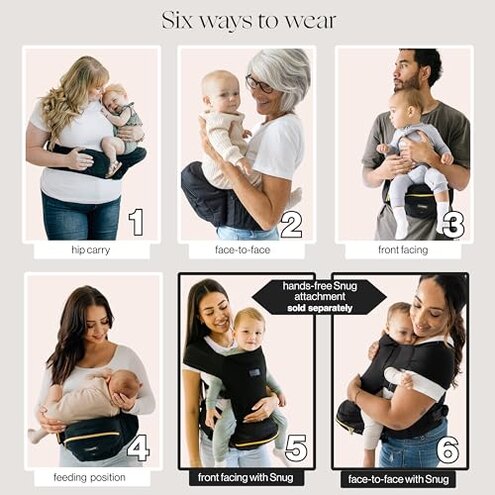
Is the carrier uncomfortable on longer walks?
Regret moment Many buyers report discomfort emerges after 20–40 minutes of continuous wear. Pattern This is a primary issue and commonly reported across written reviews and videos.
When it shows up The pressure becomes noticeable during long errands, hikes, or when the child leans to one side frequently. Category contrast This feels worse than normal because many mid-range hip carriers shift weight more evenly.
Do the safety buckles feel secure?
- Primary signal Multiple buyers describe buckles that feel loose on first use, a commonly reported safety concern.
- When it happens Problems appear during initial setup and when children move suddenly, especially during play or feeding.
- Cause Feedback points to strap creep and clasp movement under load, not always fixed by tightness adjustments.
- Impact Buyers rate this as more disruptive than expected for a hip seat carrier, leading to return or disuse.
- Fixability Temporary tightening helps but many say the issue returns, making this a persistent annoyance.
Will the seat or stitching wear out quickly?
- Secondary pattern Reports of seat flattening and seam fray are a recurring complaint among longer-term users.
- When it worsens Wear appears after repeated daily use and after frequent washing in several accounts.
- Early sign Buyers notice uneven foam compression and less upright support within months.
- Frequency tier This is a secondary issue: less common than buckles but still frequent enough to affect ownership satisfaction.
- Attempts Users tried adding padding or limiting washing frequency as workarounds.
- Hidden requirement The carrier often requires regular strap retightening and care to maintain fit and shape, which many buyers did not expect.
- Category contrast This demands more upkeep than most mid-range carriers, increasing time and cost of ownership.
Is setup and fit tricky for different body types?
- Primary complaint Several buyers with small frames or larger torsos report poor fit, a commonly noted sizing mismatch.
- When noticed Issues surface at first fitting and during quick dressing changes with the child in arms.
- Early sign Tight straps bunch or the seat rides too low for comfortable carry.
- Cause The fixed hip-seat profile does not flex to all waistlines without extra adjustments.
- Impact This becomes more disruptive during daily use because adjustments are not one-time fixes.
- Attempts Owners tried extender belts, re-threading straps, or switching carry positions to cope.
- Edge-case Some report the product works fine after modification, but modifications add cost and effort.
- Category contrast Less forgiving than many competitors that include broader size ranges or modular fittings.
Illustrative excerpts
Illustrative “Seat felt flat after three months of daily use, lost support.” — primary pattern
Illustrative “Buckle slipped once while child wiggled; I returned it.” — primary pattern
Illustrative “Needed repeated strap tightening every time we used it.” — secondary pattern
Who should avoid this

- Parents needing all-day comfort Avoid if you expect long walks or full-day carry, because pressure builds quickly and is commonly reported.
- Care-focused buyers Avoid if you want low-maintenance gear, since regular strap retightening and extra care are often required.
- Safety-first buyers Avoid if you prioritize redundant fastenings, because buckle creep is a leading regret trigger.
- Small or plus-size bodies Avoid if you have an uncommon torso size, as fit adjustments may be insufficient without modifications.
Who this is actually good for
- Short errands Good for quick trips where carry time is under 30 minutes and comfort issues are less likely.
- Occasional use Works for parents who need a compact hip seat for intermittent support rather than daily wear.
- DIY modifiers Suitable if you are willing to add padding or extenders and accept extra setup time to fix fit or comfort.
- Budget-conscious Acceptable if you prefer a lower upfront cost and tolerate higher upkeep compared with mid-range peers.
Expectation vs reality
Reasonable expectation You would expect a hip-seat carrier to distribute weight evenly for short walks. Reality Many buyers report the weight focuses on one hip within minutes, making the product less comfortable than peers.
Expectation Buckles should feel secure on first use. Reality Reports of loose-feeling buckles and strap creep appear across written reviews and demos.
Expectation Cleaning should be straightforward. Reality Users report increased upkeep and hidden adjustments to maintain shape and fit.
Safer alternatives
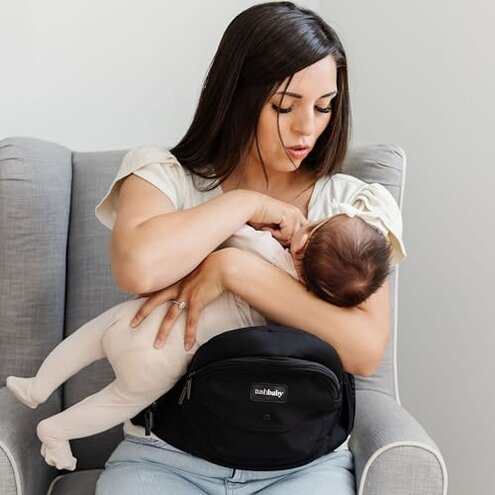
- Look for dual-lock buckles Choose carriers that advertise redundant or tested locking mechanisms to neutralize buckle creep.
- Prefer wide waistbands Pick models with broader, padded waist support to reduce single-hip pressure and improve long-wear comfort.
- Check size ranges Buy options with adjustable, modular fittings to avoid the hidden fit requirement for unusual torso sizes.
- Read long-term use reports Prioritize models with demonstrated durability over months to reduce risk of seat flattening and seam wear.
The bottom line
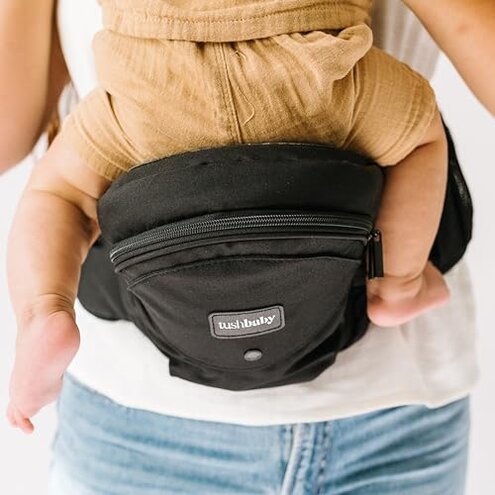
Main regret The top buyer regret centers on buckles and fit leading to safety and comfort problems during regular use. Why worse These issues are more disruptive than typical mid-range hip carriers and often require ongoing adjustments.
Verdict Avoid if you need reliable daily wear and low maintenance; consider only for short errands or if you accept modifications to fix fit and comfort.
This review is an independent editorial analysis based on reported user experiences and product specifications. NegReview.com does not sell products.