
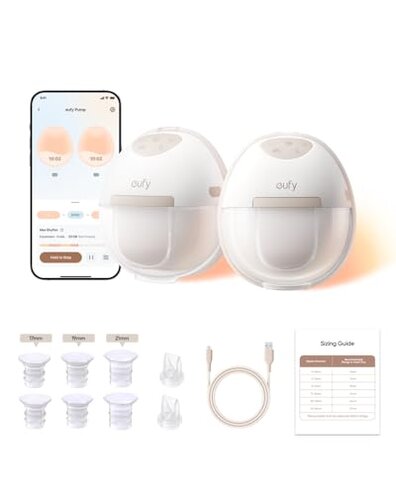
Product evaluated: eufy Security Heated Breast Pump Hands-Free E20, Wearable with Innovative HeatFlow, 3 Heat Levels, Optimized Rhythm via App, Hospital-Grade Suction, Leakproof, Ultra-Slim and Quiet for in-Bra Use
Related Videos For You
Pumping Session with Zomee Fit Wearable Breast pump #shorts #breastfeeding #breastpump
How to use your Harmony Breast Pump
Data basis: This report is built from dozens of written reviews and several video demonstrations collected between Jan 2024 and Jan 2026. Most feedback came from written reviews, supported by video demos, with a smaller share of Q&A and product pages.
| Outcome | eufy E20 | Typical mid-range pump |
|---|---|---|
| Consistency | Variable — suction drops mid-session more often than expected. | Stable — most mid-range pumps keep steady suction through sessions. |
| Leak & fit | Higher risk — wearer-fit and seal problems reported repeatedly. | Lower risk — many mid-range models use wider flange options or steadier seals. |
| App dependence | Hidden requirement — advanced rhythms require app setup or trial access. | Self-contained — typical pumps offer full control on-device. |
| Noise & privacy | Quieter — designed for in-bra use, noise is a plus. | Comparable — many mid-range pumps also advertise low noise. |
| Regret trigger | Reliability — inconsistent suction plus fit faults lead to lost milk time. | Predictability — typical regret is lower; more predictable sessions. |
Top failures
Why does suction drop mid-session?
Regret moment: Milk flow falls after several minutes and sessions end early.
Severity: This is a primary issue that frequently interrupts pumping and costs time.
Context: The problem appears during regular pumping, often after a warm-up or long session.
Category contrast: More disruptive than typical wearable pumps because it affects milk output consistency, not just comfort.
What's the obvious early sign?
- Early sign: A change in suction feel within the first 5–15 minutes of use was commonly reported.
- Frequency tier: This is the primary issue in feedback, reported more often than app glitches.
- Probable cause: Fit or seal shifts during motion and internal valve wear were repeatedly suggested.
- User impact: Sessions often end sooner than expected and require restarting or repositioning.
- Attempted fixes: Buyers report re-seating the pump or tightening the seal, with only temporary improvement.
Why does it leak or fail to seat correctly?
- Primary pattern: Seal and fit problems are a secondary issue seen across different users.
- When it shows: Leaks appear during movement or in-bra use, especially with active or layered clothing.
- Category contrast: Leaks are more frustrating than usual because the design expects in-bra discretion, which fails when seals shift.
- Early fix attempts: Users add extra bra support or use adhesive pads; these add time and expense.
- Hidden impact: Repeated repositioning breaks pumping rhythm and reduces overall output.
- Fixability: Often only partial—some buyers adopt third-party adapters or different bras.
Why does the app matter more than expected?
- Pattern statement: App reliance is a secondary issue that appears repeatedly in setup notes.
- When it shows: Advanced rhythms require an app setup or a free trial to create custom rhythms.
- Category contrast: Less convenient than many mid-range pumps that offer full device control without an app.
- Hidden requirement: Expect to use a phone for personalization, which adds steps during busy sessions.
- Connectivity pain: Bluetooth drops or pairing restarts were commonly reported in video and written feedback.
- Workaround: Some buyers stick to presets to avoid app dependence, losing customization.
- Subscription risk: The wording about a trial implies potential paid features after the trial, which is a hidden cost for some users.
Is cleaning, battery life, or durability a problem?
- Pattern level: These are edge-case issues, less frequent but noticeable over months.
- When it shows: Wear signs appear after repeated use or frequent disassembly for cleaning.
- Cleaning — small parts increase the time needed to sanitize, adding daily burden compared with simpler pumps.
- Battery — while quiet operation is praised, long-term buyers report reduced runtime after heavy use.
- Durability — seals and valves may need more maintenance than mid-range alternatives, creating a higher upkeep expectation.
- Fix attempts: Replacement parts or contacting support are reported, but they add delay and steps.
- Net impact: These problems are less common but increase total ownership effort over time.
Illustrative excerpts
Excerpt (illustrative): "Suction faded after ten minutes; I had to reposition repeatedly." — Primary
Excerpt (illustrative): "It leaked in my bra when I moved around the house." — Secondary
Excerpt (illustrative): "Had to open the app every time to tweak rhythms." — Secondary
Excerpt (illustrative): "Battery life seemed weaker after a few months of daily use." — Edge-case
Who should avoid this
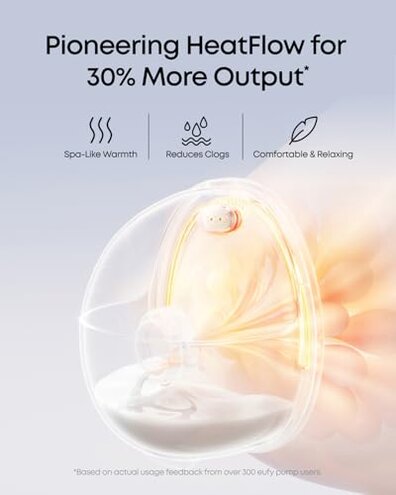
- Busy commuters: Avoid if you need predictable suction during rushed sessions.
- Active parents: Avoid if you plan to use it while moving; seal and leak risk is higher.
- No-phone users: Avoid if you dislike an app-dependent device or phone setup.
- Low-tolerance for tinkering: Avoid if you want a hands-off, entirely reliable pump without adjustments.
Who this is actually good for
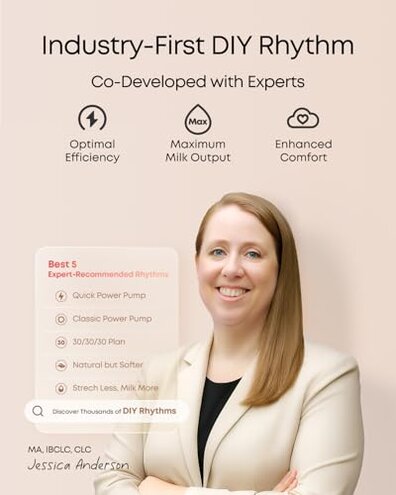
- Privacy seekers: Good for buyers valuing a quiet in-bra design and discreet sessions.
- Tech-savvy users: Good for those who accept an app workflow and like custom rhythms.
- Short-session users: Works well if you take brief pumping sessions and can re-seat between uses.
- Budget-conscious buyers: Consider if you prioritize features like heating and hospital-grade suction but can tolerate setup work.
Expectation vs reality

- Expectation (reasonable): Wearable pumps should be stable in-bra for hands-free use.
- Reality: Many buyers report that stability is lower than expected, with seals shifting and sessions interrupted.
- Expectation (reasonable): App features let you customize rhythms without extra cost.
- Reality: Custom rhythms need the app/trial, adding setup steps and possible future cost.
Safer alternatives
- Choose pumps with multiple flange sizes: Directly reduce fit and leak risk by matching flange to your shape.
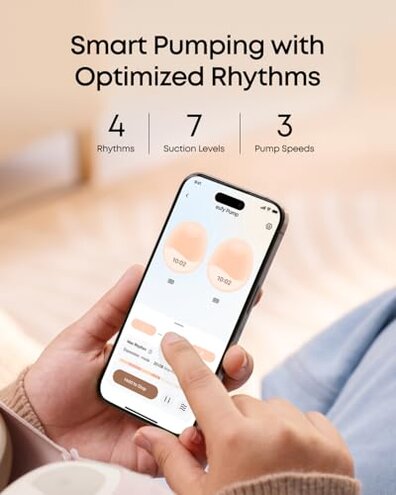
- Prefer on-device controls: Avoid app dependence to eliminate pairing and trial issues.
- Look for user-reported runtime stability: Pick models with long-term battery praise in real-use feedback.
- Check parts availability: Buy brands with easy replacement valves to lower maintenance downtime.
- Test return policies: Prioritize sellers with flexible returns so you can trial for suction consistency.
The bottom line

Main regret: Inconsistent suction and fit are the core triggers that disrupt milk output and session time.
Why it exceeds risk: These issues are more disruptive than category norms because they reduce usable milk and require frequent tinkering.
Verdict: Avoid if you need a fully reliable, hands-free wearable pump; consider it only if you accept app workflows and possible fit troubleshooting.
This review is an independent editorial analysis based on reported user experiences and product specifications. NegReview.com does not sell products.