
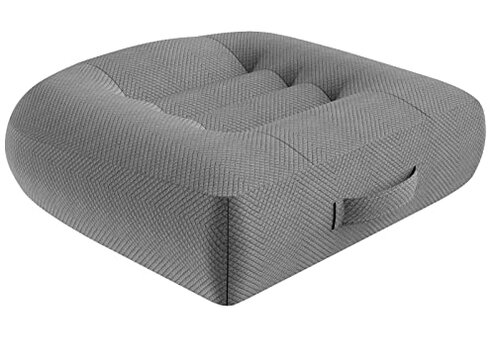
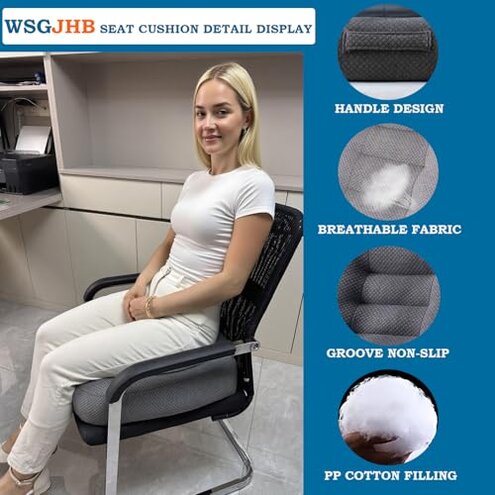
Product evaluated: Adult Booster Seat Cushion, Car Seat Cushions for Short People/thick Office Chair Booster Seat Increase Field of View, for Trucks, Car, Office Chair, Home, Wheelchair,angle Lift Seat Cushion (grey)
Related Videos For You
Booster Seats: Properly Installing a No Back Booster Seat
Britax crash test shows dangers of booster seats
Data sources based on dozens of written reviews and several video demonstrations collected between 2022 and 2025. Most feedback came from written reviews, supported by videos and Q&A posts to confirm repeat patterns.
| Outcome | Generic Booster Cushion | Typical Mid‑Range Cushion |
|---|---|---|
| Visibility gain | Variable often loses claimed height after months of use. | More stable keeps shape longer for reliable sightline boosts. |
| Stability | High slip risk reported repeatedly without straps or anchors. | Lower slip risk many mid‑range models include non‑slip backing or straps. |
| Durability | Quick flattening flattening appears as a common secondary failure. | Better longevity mid‑range cushions use denser fill that resists collapse. |
| Comfort | Too soft for long drives according to several users. | Balanced support typical alternates feel firmer over time. |
| Regret trigger | Safety concern slipping plus flattening can reduce windshield visibility. | Lower regret mid‑range options trade a bit more weight for stability. |
Why does this cushion slide around so much?
Slip is common and appears repeatedly across feedback as the primary usability complaint. Users notice the pad moves during entry, exits, and turns.
When it happens slipping often shows up on first use and worsens with long daily driving. Compared to peers this cushion lacks straps or a firm non‑slip base that many mid‑range models include, making the issue worse than expected.
Is the height reliable or does it flatten quickly?
- Primary pattern flattening is a commonly reported issue after weeks of regular use.
- Usage moment loss of height usually appears after repeated daily drives, not always immediately.
- Early sign noticeable softening and sinking when sitting for long periods.
- Why it matters reduced height undoes the product's main benefit for short drivers.
- Category contrast more durable mid‑range cushions keep shape longer with denser filling.
Will this stay comfortable on long drives or in an office?
- Secondary issue several buyers report the pad feels too soft for extended sitting.
- When felt discomfort usually appears during long drives or long office shifts.
- Frequency cue this is less frequent than slipping but more frustrating when it happens.
- Cause filling compresses quickly, offering less firm support than expected.
- Impact back or hip strain increases during long sessions compared with firmer alternatives.
- Fix attempts some users add an extra foam layer or alternate cushions to regain support.
- Hidden need needs replacement or aftermarket firm insert sooner than typical cushions.
Does the size and lack of straps cause hidden problems?
- Hidden requirement real‑world use shows a need for straps or anchors to prevent movement.
- When it shows missing straps are obvious during vehicle entry, exit, and tight turns.
- Scope this appears across different seat fabrics and vehicle types, not limited to one car model.
- Early workaround buyers commonly add a non‑slip pad or strap to make it usable.
- Repairability fixes require extra parts or effort, unlike mid‑range cushions with built‑in fixes.
- Cost impact adding straps or inserts raises total cost above the original price quickly.
- Why worse the lack of securing features makes the product less forgiving than typical alternatives.
- Edge cases some users with very flat seats still report acceptable stability without mods.
Illustrative excerpts (not real quotes)
"It slid forward every time I braked, felt unsafe." Reflects a primary pattern.
"Lost most of the lift after two months of daily driving." Reflects a secondary pattern.
"Comfortable at first but cramped my hips on long trips." Reflects a secondary pattern.
"Added a strap and it helped, but that's an extra purchase." Reflects an edge‑case workaround.
Who should avoid this

- Short drivers needing reliable height who cannot accept reduced visibility from flattening or slip.
- Frequent long‑drive users who need firmer support for back and hips.
- Buyers who want plug‑and‑play without buying straps or non‑slip inserts.
Who this is actually good for
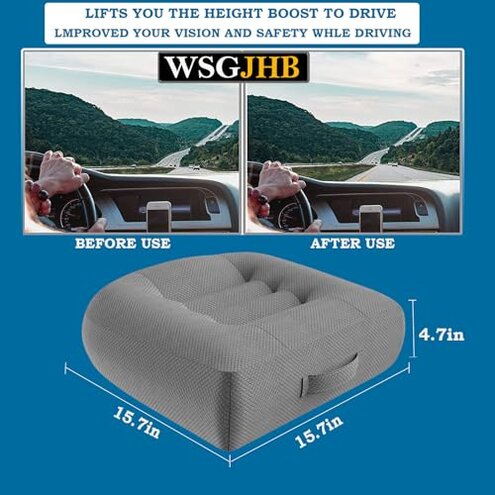
- Occasional drivers who need a mild height boost for short trips and can tolerate softening.
- Users on a tight budget who will accept added effort to strap or pad the cushion themselves.
- Non‑critical seat uses like patio chairs or temporary seating where slip or flattening is less risky.
Expectation vs reality
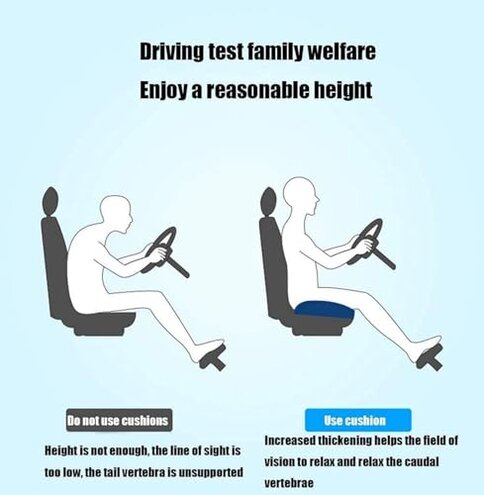
Expectation Reasonable for this category: cushions should provide a steady height boost for months. Reality this model often shows visible sinking and reduced lift within weeks.
Expectation Buyers expect non‑slip performance while entering or turning. Reality slipping is a repeated complaint and typically requires an aftermarket fix.
Safer alternatives
- Look for straps choose cushions with built‑in straps or anchors to neutralize slip risk.
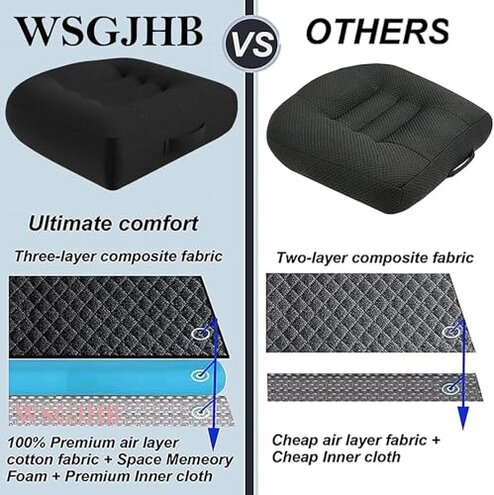
- Denser fill pick models marketed with firm or high‑density foam to avoid quick flattening.
- Non‑slip base prefer materials with textured backing to reduce movement without mods.
- Warranty and reviews check long‑term user feedback for shape retention before buying.
The bottom line
Main regret is slipping combined with early flattening, which diminishes visibility and safety. Severity this exceeds normal category annoyance because it affects the cushion's core purpose.
Verdict Avoid if you need dependable height or long‑term support without buying extra fixes.
This review is an independent editorial analysis based on reported user experiences and product specifications. NegReview.com does not sell products.