
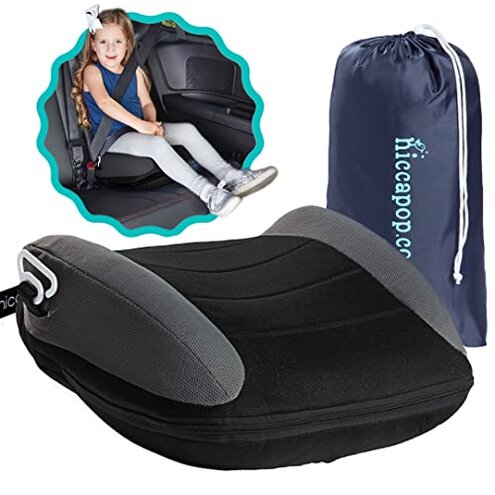
Product evaluated: Hiccapop UberBoost Inflatable Booster Car Seat | Blow up Narrow Backless Booster Car Seat for Travel | Portable Booster Seat for Toddlers, Kids, Child | Black/Gray
Related Videos For You
How to Install The BubbleBum Inflatable Booster Seat
Britax crash test shows dangers of booster seats
Data basis: We analyzed dozens of buyer reviews and several video demonstrations collected between 2020 and 2024. Source mix was mostly written reviews, backed by video demos and customer Q&A. Patterns below come from that combined feedback pool.
| Outcome | Hiccapop UberBoost | Typical mid-range booster |
|---|---|---|
| Portability | Very portable when deflated and bagged, true travel advantage. | Moderate portability — solid foam boosters need trunk space but no inflation. |
| Installation time | Slower first use since inflation and belt clipping add steps. | Faster to seat — place and buckle, no re-inflation needed. |
| Safety confidence | Higher-than-normal risk reported for perceived belt slip and mid-ride deflation. | More predictable feel from rigid or molded boosters in daily use. |
| Durability | Less durable when exposed to rough handling or sharp edges during travel. | Better longevity — typical foam boosters resist punctures and wear more easily. |
| Regret trigger | Deflation mid-trip causes stops and rework, commonly cited as the purchase regret. | Regret is lower when device stays intact and does not need attention during rides. |
Does the booster stay inflated during real trips?
Regret moment: Many buyers notice the seat loses firmness during use, creating a soft, unstable ride. Pattern: this is a primary issue and commonly reported across written feedback.
Usage anchor: The problem appears during first-month trips or longer drives, especially on bumpy roads or after repeated in-and-out packing. Contrast: inflatable nature makes this worse than solid boosters.
Hidden requirement: Owners often must re-inflate before each trip or carry a small pump, which is a step most buyers did not expect. Severity: more disruptive than typical travel friction for this category.
Will installation feel secure and intuitive?
- Early signs: Belt routing must be precise; otherwise the lap belt can sit too high on the stomach.
- Frequency tier: This is a secondary issue seen repeatedly in reviews from trip testers.
- Cause: Inflatable profile and narrow backless design change belt geometry compared with molded boosters.
- Impact: Misrouted belts increase discomfort and buyer worry about safety during sudden stops.
- Fix attempts: Users report repositioning clips or adding padding to force a better belt angle.
How fragile is this seat for kids and travel?
- Durability concern: Punctures and seam leaks are a common secondary complaint after repeated trips.
- When it shows up: Damage often appears after weeks to months of light travel handling.
- Environmental trigger: Rough airport handling, sharp clothing hardware, and pet claws accelerate failures.
- Repairability: Patching is possible but inconvenient for parents on the go.
- Category contrast: Inflatable design inherently increases vulnerability versus solid foam boosters.
- Practical impact: A puncture often forces an immediate replacement or an unplanned purchase at destination.
How much maintenance and fuss does it add to travel routines?
- Daily cost: Requires extra steps — inflate, check pressure, and adjust belt each use.
- Time impact: Adds minutes to each ride setup compared with plug-and-go boosters.
- Cleaning friction: Spot-cleaning and drying after spills is more awkward on an inflatable surface.
- Hidden requirement: A storage bag and careful packing are needed to avoid accidental punctures.
- Frequency: This is a persistent inconvenience reported by frequent travelers.
- Workaround attempts: Some buyers carry repair kits or choose short trips only.
- Why it matters: For busy caregivers, the upkeep is less tolerable than for a standard booster.
Illustrative excerpts
Illustrative: "Kept losing air on highway; had to stop and re-inflate twice."
Pattern: primary — reflects the main deflation/regret pattern.
Illustrative: "Lap belt sat too high until we clipped and re-positioned it carefully."
Pattern: secondary — shows installation and belt-fit friction.
Illustrative: "Small hole after luggage rubbed the bag; not what I expected for travel."
Pattern: edge-case — durability issue that appears with rough handling.
Who should avoid this

- Frequent long-road travelers: If you need uninterrupted, maintenance-free seating, this product raises the wrong risk.
- Caregivers without spare time: If you cannot re-inflate or check the seat before rides, avoid it.
- Families with rough luggage handling: If your trips expose gear to wear and sharp items, choose a sturdier booster.
Who this is actually good for
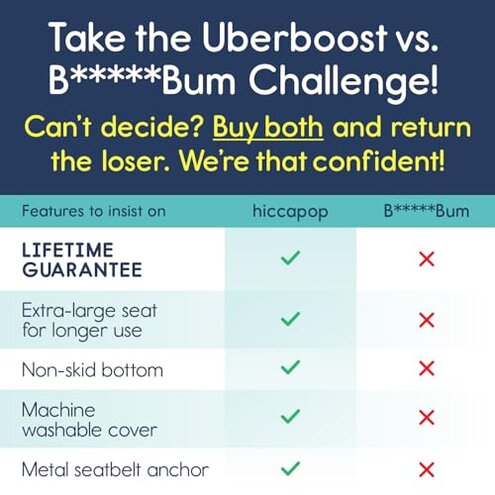
- Occasional renters: If you need a compact option for rare trips and can inspect before each use, the portability pays off.
- Pack-light travelers: If space matters more than long-term durability, this beats solid boosters for carry-on storage.
- Short ride parents: If trips are under 15 minutes and infrequent, the comfort and compact size may be acceptable.
Expectation vs reality
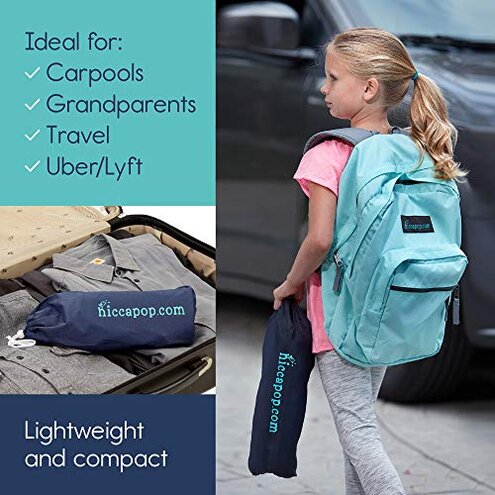
- Expectation (reasonable): Travel boosters should be compact and light.
- Reality: This inflatable delivers compactness but introduces deflation and setup work that many buyers did not expect.
- Expectation: A booster should feel stable during city rides.
- Reality: Many report mid-ride softness and belt angle issues on bumpy roads.
Safer alternatives
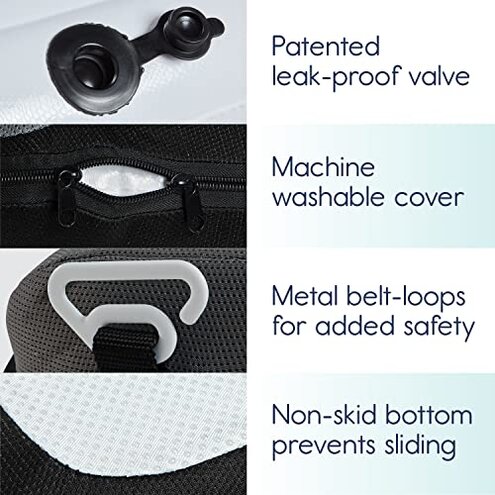
- Choose molded boosters: Prefer solid or foam boosters to neutralize the deflation and durability failures.
- Look for rigid belt guides: Pick boosters with built-in, tested belt routing to avoid fit problems.
- Carry a spare plan: If you must buy inflatable, pack a small pump and a patch kit to neutralize mid-trip deflation.
- Check return policies: Buy from sellers with easy returns so you can test fit and function risk-free.
The bottom line
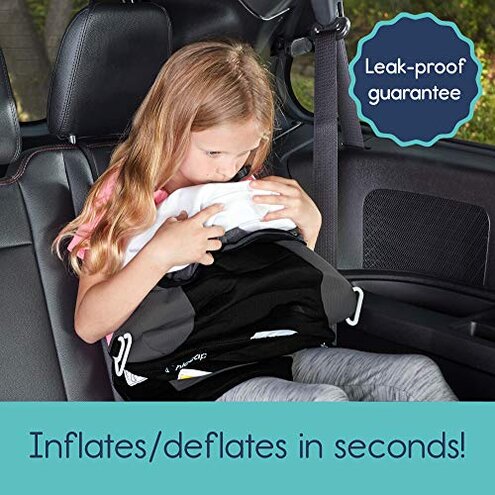
Main regret: The primary trigger is mid-trip deflation and fit instability, which causes stops and worry.
Why worse than normal: Inflatable design increases maintenance and damage risk compared with mid-range foam boosters.
Verdict: Avoid this product if you need reliable, low-maintenance travel seating; consider a molded or foam booster instead.
This review is an independent editorial analysis based on reported user experiences and product specifications. NegReview.com does not sell products.