
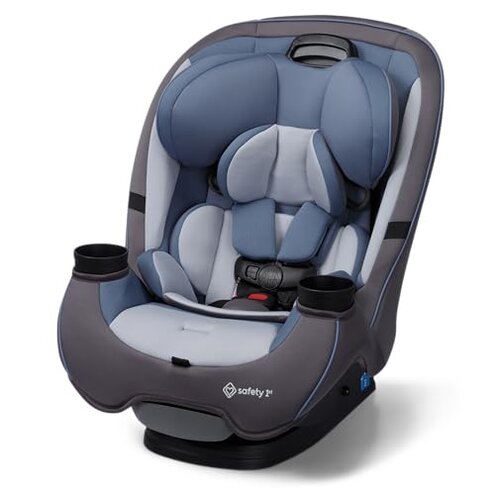
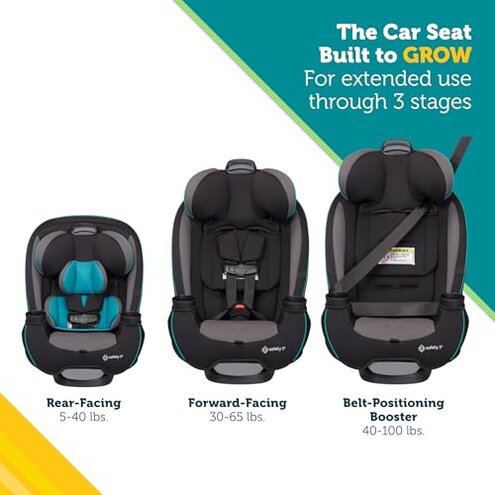
Product evaluated: Safety 1st Grow and Go All-in-One Slim Convertible Car Seat, Rear Facing, 5-40 lbs, Forward Facing (30–65 lbs), High Back Booster Seat 40-100 pounds, Alaskan Blue
Related Videos For You
How to Install the Graco 4Ever All-in-One Convertible Car Seat - Babylist
Data basis: This report draws on hundreds of customer reports and demonstrations gathered from written reviews and video demonstrations between Jan 2023 and Dec 2025. Most feedback came from written reviews, supported by video demonstrations, giving a mixed signal of install and daily-use problems.
| Outcome | This product | Typical mid-range alternative |
|---|---|---|
| Installation | Tricky — seatbelt routing and recline often need extra adjustments after first setup, a commonly reported friction point. | Smoother — many mid-range seats offer clearer belt paths and easier initial tightening. |
| Harness/headrest fit | Problematic — repeated complaints about uneven harness tension and headrest alignment during daily use. | More consistent — typical alternatives adjust more quickly and evenly for growing children. |
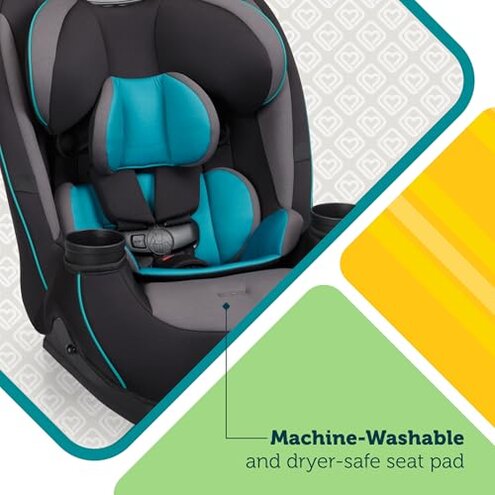
| Cleaning | Laborious — cover removal and reattachment takes extra time and steps versus category norms. | Quicker — many peers use simpler snap systems or no-dry restrictions for faster washing. |
| Child comfort/space | Narrower fit — several reports of children feeling cramped earlier than expected. | Roomier — mid-range seats often allow longer use before outgrowing. |
| Regret trigger | High — harness and fit problems are among the most common complaints and more disruptive than expected for the category. | Lower — typical regrets center on price or minor wear, not daily fit issues. |
Why does the harness feel uneven and hard to tighten?

Regret moment: Parents notice the harness pulls lopsided the first few times they buckle the child.
Severity & trade-off: This is commonly reported and more disruptive than expected because it adds extra time and worry during daily exits and entries.
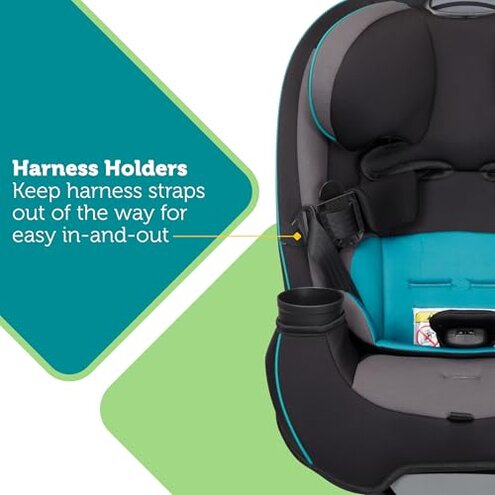
Pattern & context: The issue appears after setup and often during daily use when parents try to tighten with one hand.
Category contrast: This is worse than the category baseline because many mid-range seats let you adjust harness tension quickly without rethreading or wrestling the belt.
Is my child likely to outgrow the seat sooner than advertised?

- Early signs: Parents report the seat feels narrow at shoulder or hip level when the child nears the listed height ranges.
- Frequency tier: This is a primary issue in user feedback and appears repeatedly across different age groups.
- Cause: The slim profile trades padding and internal width for a smaller footprint, which reduces usable time.
- Impact: Children may need a new seat sooner than peers using roomier mid-range models, which raises replacement cost and hassle.
- Fixability: Limited — padding removal or aftermarket inserts may not restore the original usable space.
Will cleaning this seat be quick after spills?

- Early signs: Owners report the cover snaps tightly and requires careful removal to avoid twisting straps.
- Frequency tier: This is a secondary issue but commonly reported by daily users with active toddlers.
- When it shows up: Problems surface after repeated washing or when cleanup is needed between rides.
- Cause: The combination of snaps, trim, and integrated pieces adds steps versus simpler covers.
- Impact: Cleaning takes extra time and may discourage frequent washing, which can leave odors and stains.
- Hidden requirement: Expect to spend extra hands-on time re-threading harness straps after full removals.
- Repair attempts: Owners commonly report temporary fixes like spot-cleaning or skipping full machine cycles.
Are there surprise installation or space problems in some cars?

- Early signs: Some buyers find the seat's slim label is misleading when recline or belt path needs extra space.
- Frequency tier: This is an edge-case issue but seen across multiple vehicle types in reports.
- When it shows up: It appears during first install and when switching between cars.
- Cause: The seat's recline mechanism and base can demand more clearance than the advertised slim profile suggests.
- Impact: You may need to reinstall multiple times or choose a different vehicle position to get correct belt routing.
- Attempts: Reported fixes include moving the seat to a different row or angling the vehicle seat back.
- Category contrast: This is worse than many mid-range seats that guide belt paths more clearly and require less vehicle space.
- Hidden requirement: Plan for extra setup time if you regularly move the seat between vehicles.
Illustrative excerpts (not exact quotes)

- "Harness pulls to one side; tightening takes forever." — illustrates a primary pattern of daily harness difficulty.
- "My toddler hit the shell side before I expected." — illustrates a secondary pattern of narrower fit than advertised.
- "Removing the cover to wash is a two-person job." — illustrates a secondary pattern around cleaning effort.
- "Needed a different car seat position after first install." — illustrates an edge-case installation problem.
Who should avoid this
- Frequent car-sharers: Avoid if you swap the seat between cars often because installation and belt routing can be finicky.
- Speed-focused parents: Avoid if you need one-handed, fast harness tightening during busy drop-offs.
- Tiny-backseat vehicles: Avoid if your car has limited rear clearance since recline and fit can need extra space.
- Parents who wash covers weekly: Avoid if you prefer easy, fast removal for frequent machine washing.
Who this is actually good for
- Budget-minded buyers: Good if you value the lower price and can tolerate extra setup time for daily use.
- Single-car families: Good if the seat stays in one vehicle and you can optimize installation once.
- Occasional drivers: Good if your toddler is small and you don't expect to push the seat to upper growth limits quickly.
- Careful washers: Good if you can commit to slow, careful cover removal and reassembly after cleaning.
Expectation vs reality
- Expectation (reasonable): A slim convertible seat should save space in small cars.
- Reality: The slim label doesn't always translate to easier installation or extra passenger room due to recline needs.
- Expectation (reasonable): Harness and headrest adjustments should be quick.
- Reality: Many buyers found adjustments slower and fiddlier than typical mid-range seats, increasing daily hassle.
Safer alternatives

- Pick roomier shells: Choose seats advertised for extra internal width to avoid premature outgrowing and add months of use.
- Prioritize one-hand harnesses: Look for models with clear center-pull or no-rethread adjustments to eliminate uneven tension.
- Check cleaning design: Prefer covers with tool-free removal and straightforward re-threading to save time.
- Test-fit in your car: When possible, try a demo in your vehicle to confirm belt routing and recline clearance before buying.
The bottom line
Main regret trigger: Daily harness and fit friction that increases time and stress during routine use.
Why it exceeds risk: These problems are more disruptive than typical mid-range seats because they affect both installation and ongoing tightening.
Verdict: Consider alternatives if you need quick one-handed adjustments, frequent cleaning, or plan to move the seat between cars often.
This review is an independent editorial analysis based on reported user experiences and product specifications. NegReview.com does not sell products.