
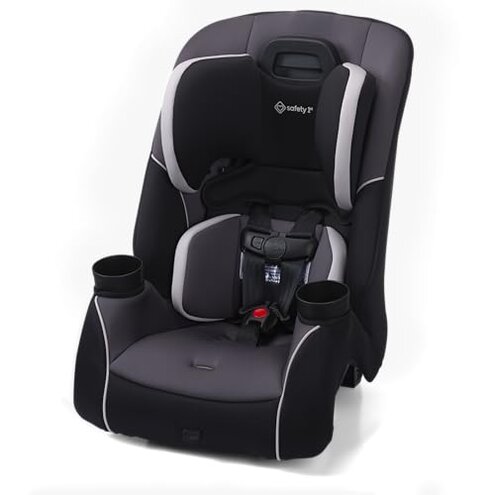
Product evaluated: Safety 1st Crosstown Slim All-in-One Convertible Car Seat, Deep Sea
Related Videos For You
How to Install Graco® Nautilus™ with Safety Surround Car Seat
Install Safety 1st Grow and Go forward facing with seat belt and top tether
Data basis: This report used dozens of written reviews and several video demonstrations collected from Jan 2022 to Dec 2025. Most feedback came from written reviews, supported by video demonstrations and a few customer Q&A notes.
| Outcome | This product | Typical mid-range seat |
|---|---|---|
| Ease of install | Mixed — appears repeatedly difficult with seatbelt routing for some cars. | Usually easier — most mid-range seats have clearer belt guides. |
| Harness adjustment | Frustrating — users often report harness/headrest misalignment after adjustments. | More consistent — comparable seats more often adjust smoothly. |
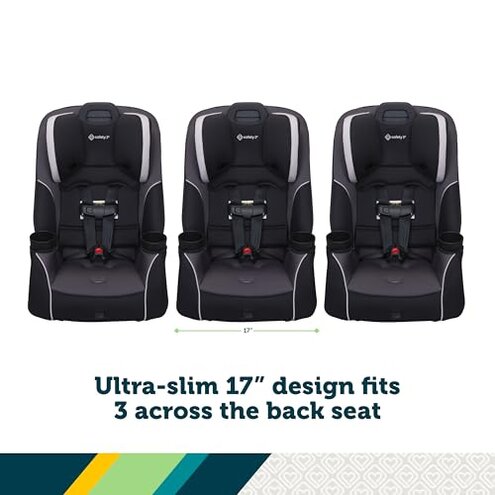
| Fits 3-across | Claimed slim fit — works in many cars but regularly needs precise positioning. | Varies — many mid-range seats need more width or a slimmer model. |
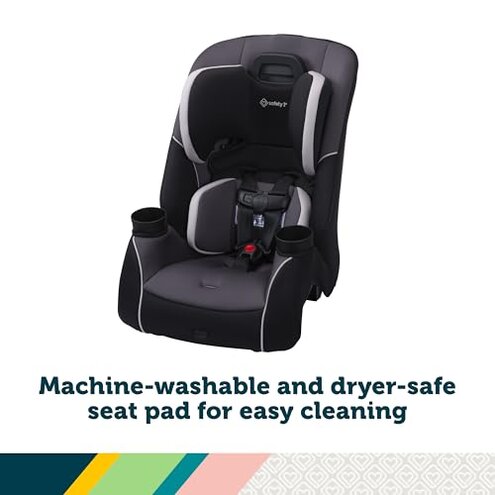
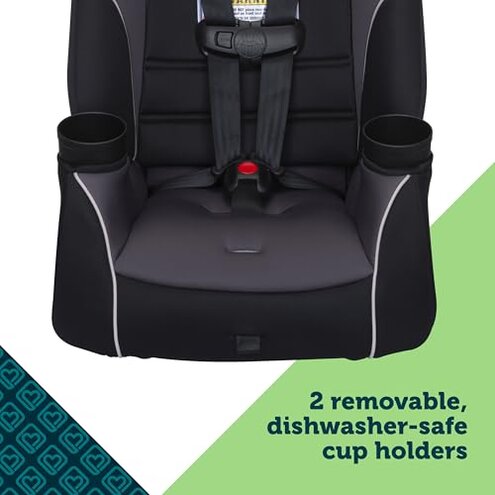
| Cleaning & upkeep | Convenient parts — cupholders and pads claimed machine/dishwasher safe, but users note reassembly fuss. | Comparable — similar maintenance in this category. |
| Regret trigger | Installation + harness — combined friction leads to repeated rework and stress. | Single issue — other seats usually have one minor pain point, not two. |
Why won't the harness align easily while installing?
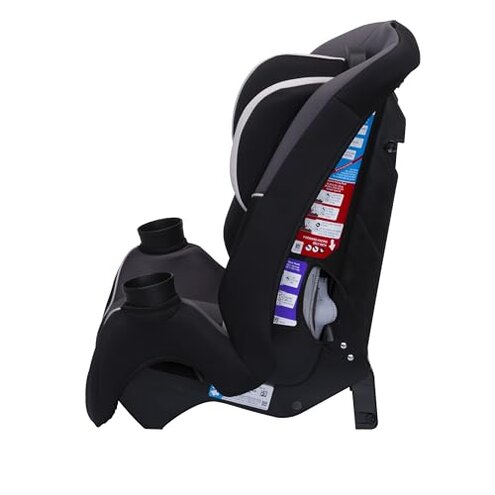
Regret moment: You try to tighten the harness and the headrest or straps feel misaligned, which increases setup time and worry.
Pattern: This is a commonly reported issue across written feedback.
When it shows up: Typically on first use or after changing headrest positions when switching rear-to-forward facing.
Category contrast: More frustrating than most mid-range seats because it adds extra adjustments each installation.
Is installation fiddly in many cars?
- Early signs: Belt paths feel tight or unclear for some vehicle belt geometries.
- Frequency tier: This is a primary issue for many buyers, appearing repeatedly in feedback.
- Cause: Slim shell plus a fixed base can require precise seating angle to latch securely.
- Impact: Results in extra time and repeated tightening, worse on tight back seats.
- Attempts: Users often switch to lower anchor use or move the seat slightly backward until it feels secure.
- Fixability: Possible with patient adjustments, but not a quick fix for busy parents.
Does the slim fit actually help when seating three kids?
- Real-world anchor: The 17" slim claim helps, but fits three only in many, not all, cars.
- Pattern statement: This is a secondary issue — it varies by vehicle model.
- Hidden requirement: You often need a specific vehicle seat contour to get three across comfortably.
- Why worse: More setup time than typical because narrow clearance forces strap tucking and re-positioning.
- Impact on daily use: Frequent transfers or cab rides become more cumbersome than expected.
- Attempts: Some buyers accept tighter spacing; others return the seat.
- Fixability: Only solved by trying in your car before committing.
Will cleaning and small parts cause extra headaches?
Regret moment: You remove pads or cupholders to wash and find reassembly fiddly or the cupholder fits loosely.
Pattern: This is a persistent but less severe complaint compared with harness and install problems.
When it shows up: During regular cleaning cycles or after dishwasher runs.
Category contrast: More annoying than typical mid-range seats because parts need patience to align and sometimes feel flimsy.
Illustrative excerpts (not real quotes)
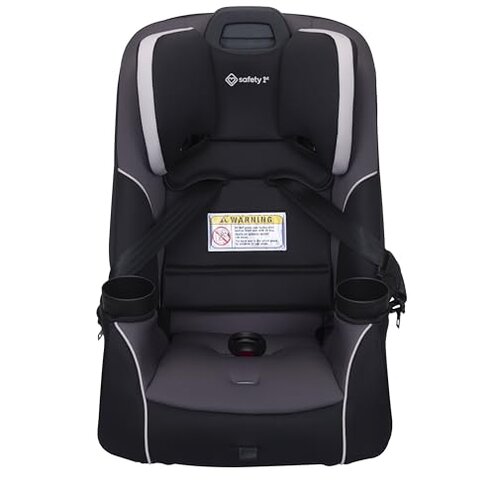
"Harness keeps twisting when I tighten it." — reflects a primary pattern about adjustment friction.
"Needed to try three positions to get the belt to lay flat." — reflects a secondary pattern about installation fit.
"Cupholder popped off during wash, reattachment was annoying." — reflects an edge-case pattern on maintenance.
Who should avoid this
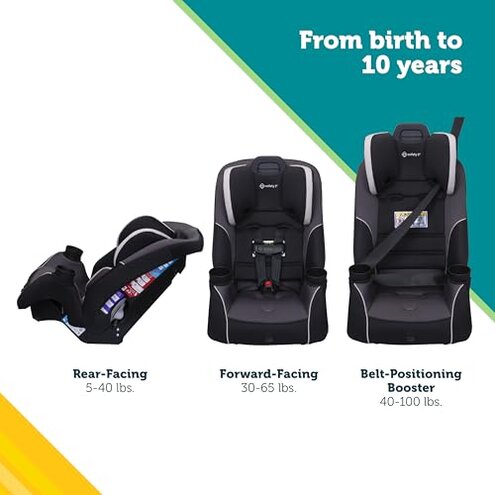
- Parents who swap cars daily: Installation friction and alignment trouble exceed normal-category patience.
- Buyers needing guaranteed 3-across fit: The slim claim is inconsistent unless you test in your vehicle first.
- Those wanting instant, tool-free setup: Combined harness and base adjustments add extra steps and stress.
Who this is actually good for
- Budget-conscious families: Willing to tolerate extra setup time to save money and still get conversion stages.
- Single-car households: Fewer installs lower the chance of repeated harness misalignment, making it workable.
- People who prioritize slim width: If your car tested well with a slim seat, the space savings are real despite fiddliness.
Expectation vs reality
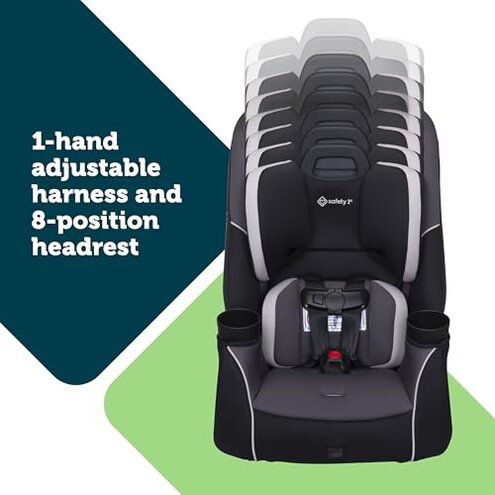
- Expectation (reasonable): 1-hand headrest adjusts smoothly without rethreading.
- Reality: Many buyers find harness misalignment persists after headrest moves, causing extra rework.
- Expectation: "Fits 3-across" should mean easy placement.
- Reality: It often requires careful repositioning and may not work in certain vehicle seat shapes.
Safer alternatives
- Try before you buy: Test the seat in your vehicle to verify 3-across clearance and belt routing.
- Favor clear belt guides: Look for seats with visibly wider and labeled belt paths to reduce installation friction.
- Check harness design videos: Watch setup clips for the exact model to see if adjustment steps match your comfort level.
- Prioritize one-piece pads: Choose seats with fewer removable parts to avoid reassembly headaches after washing.
The bottom line
Main regret: Combined installation and harness alignment problems are the primary drivers of buyer frustration.
Why it matters: These issues create more repeated setup time than is normal for mid-range convertible seats.
Verdict: Avoid this model if you need quick installs, guaranteed three-across fit, or minimal daily fuss.
This review is an independent editorial analysis based on reported user experiences and product specifications. NegReview.com does not sell products.