
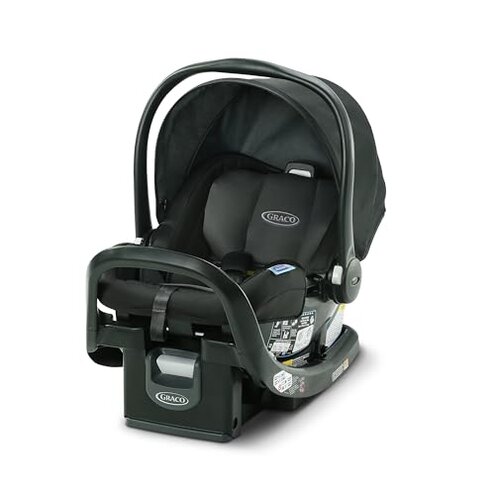
Product evaluated: Graco SnugRide SnugFit Infant Car Seat, Baby Car Seat with Anti Rebound Bar for Extra Safety, No-Rethread Harness, LATCH Equipped Carseat, Baby Essentials, Gift for New Parents, Gotham
Related Videos For You
Infant car seat installation
Graco - How to Properly Position Harness - Infant Car Seats
Data basis: This report used dozens of consumer-written reviews and several video demonstrations collected between 2020–2024. Most feedback came from written reviews, supported by visual setup clips and owner Q&A. Findings reflect recurring buyer descriptions and common setup video highlights.
| Outcome | Graco SnugRide | Typical mid-range seat |
|---|---|---|
| Installation effort | Higher — extra steps for base recline and anti-rebound bar make setup slower. | Moderate — single-step base recline and simpler stabilizers are common. |
| Harness adjustments | Friction-prone — front-adjust harness can bind and needs practice. | Smoother — some rivals have easier rethread-free systems. |
| Newborn fit | Tight — smaller infants often need extra inserts or fiddling. | More forgiving — many competitors include softer newborn supports. |
| Daily handling | Interruptive — canopy and base adjustments can disturb the child. | Smoother — easier canopy motion and simpler release systems. |
| Regret trigger | Higher-than-normal chance of buyer regret on first few uses due to setup complexity. | Lower — most buyers can install and transfer without repeated frustration. |
Top failures
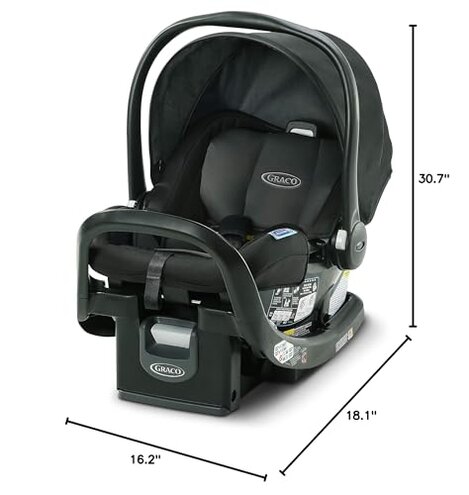
Does installation take forever and still feel wrong?
Regret moment: Many buyers report the seat takes multiple attempts to get a firm, level install.
Usage anchor: This shows up during the first install and when swapping the base between cars.
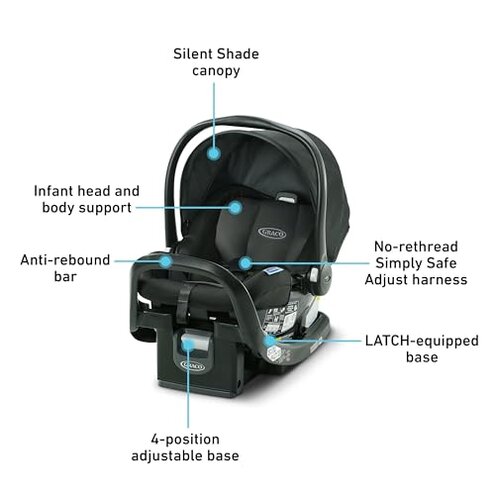
Category contrast: Installation friction is more disruptive than typical mid-range seats because the anti-rebound bar and 4-position base add setup decisions and tension points.
Why is the harness hard to adjust?
- Early sign: Harness webbing can feel stiff when you try to tighten with one hand.
- Frequency tier: This is a primary issue for many buyers during daily seat-ins and transfers.
- Cause: The front-adjust mechanism can bind if the strap isn't routed perfectly.
- Impact: Tightening takes extra time and can wake or upset a sleeping baby.
- Fix attempts: Owners report repeated rethreading or extra force as temporary workarounds.
Will the canopy and base disturb my baby?
- Early sign: Canopy adjustments sometimes make a soft click or require two hands.
- Frequency tier: This is a secondary complaint that appears repeatedly in daily use notes.
- Cause: The Silent Shade canopy's mechanism trades quiet for more deliberate motion.
- Impact: Parents describe needing to pause to avoid waking a sleeping infant.
- Attempted fixes: Users adjust slower or support the canopy while moving the car seat.
- Hidden requirement: Smooth, one-handed canopy operation often requires learning a specific motion sequence.
- Category contrast: Canopy handling is less forgiving than many alternatives designed for quick one-handed moves.
Does this seat fit very small newborns comfortably?
- Early sign: Newborn head and body supports may still leave gaps around the neck.
- Frequency tier: Fit issues are a primary complaint among buyers of smaller infants.
- Cause: The shell's contours and harness height can require extra inserts or padding.
- Impact: Poor fit increases time to secure the infant and raises anxiety about proper positioning.
- Attempted fixes: Parents add aftermarket inserts or towels, which can void guidance if not approved.
- Fixability: Some report improvement after several re-adjustments, but this adds repeated handling.
- Hidden requirement: Expect a learning curve and possible need for approved newborn accessories to get an ideal fit.
- Category contrast: This seat is less forgiving than seats that include thicker, factory-fitted newborn cushions.
Illustrative excerpts (not real quotes)
“Took three tries to level the base and still felt loose.” — reflects a primary pattern.
“Harness binds unless you pull perfectly straight.” — reflects a primary pattern.
“Canopy clicks and woke my sleeping baby twice.” — reflects a secondary pattern.
“Needed extra inserts for my 6 lb newborn to sit right.” — reflects an edge-case pattern.
Who should avoid this
- Parents needing quick transfers: If you swap seats between cars daily, installation friction will be too disruptive.
- Less-dexterous caregivers: Tight harness adjustment requires hand strength and coordination beyond typical expectation.
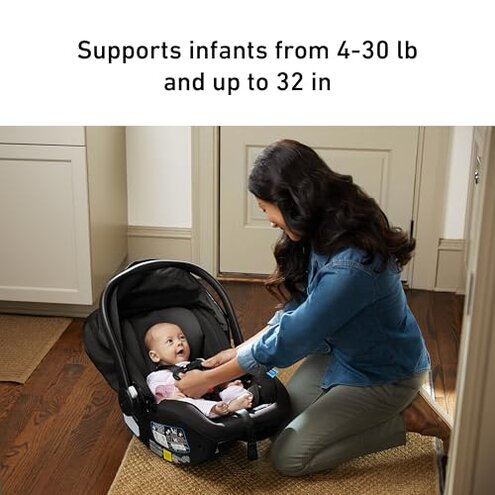
- Small newborns without extra accessories: If you want immediate snug fit out of the box, this seat may demand aftermarket padding.
Who this is actually good for
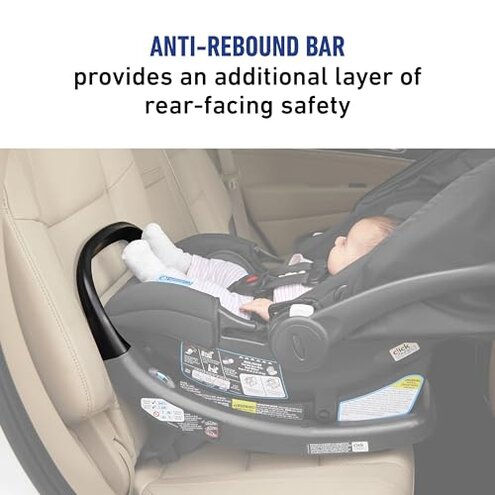
- Owners who prioritize safety features: Those willing to accept setup effort for the anti-rebound bar and multi-position base.
- Single-car families: If you install once and leave it, the installation time penalty is a one-off pain.
- Caregivers comfortable with adjustments: If you tolerate a learning curve for harness routing and canopy motion.
Expectation vs reality
- Expectation: Reasonable for this category is a quick, single-session install. Reality: Multiple attempts and adjustments are commonly required.
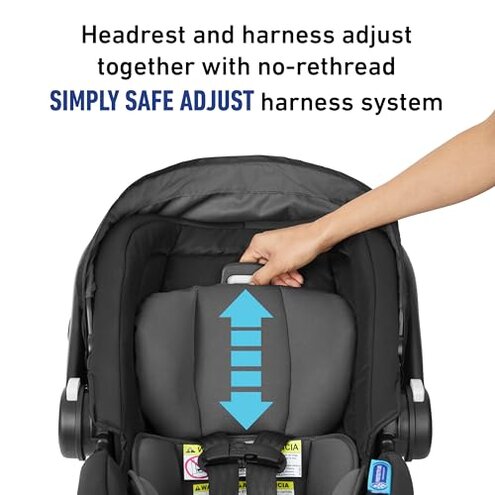
- Expectation: Front-adjust harness means easy tightening. Reality: The mechanism can bind and needs precise routing to work smoothly.
- Expectation: Built-in newborn supports fit most small babies. Reality: Many buyers add extra padding for a snug fit.
Safer alternatives
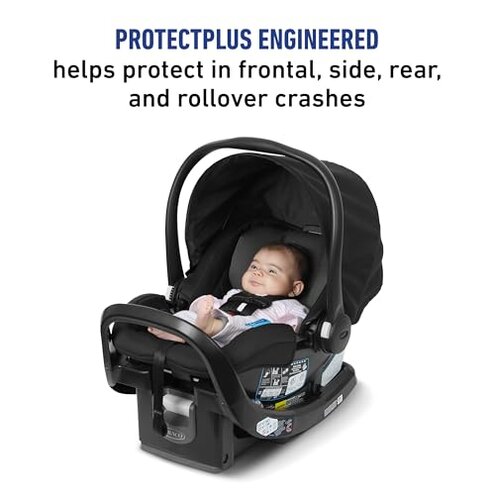
- Pick seats with simplified bases: Choose models advertising one-step leveling to neutralize the complex base setup problem.
- Try harness systems in person: Test front-adjust mechanisms at a store to confirm smoothness before buying.
- Prefer thicker newborn inserts: Look for seats that include factory newborn cushions to avoid aftermarket fixes for fit.
- Watch setup videos first: Learn the exact canopy and harness motions to reduce initial handling errors.
The bottom line
Main regret: Repeated setup and harness friction are the most common buyer complaints and the main trigger for regret.
Why it matters: These issues are more disruptive than typical mid-range infant seats because they affect daily handling and transfers.
Verdict: Avoid this seat if you need effortless installation or immediate newborn snugness; it suits those who accept a setup learning curve for the offered features.
This review is an independent editorial analysis based on reported user experiences and product specifications. NegReview.com does not sell products.