
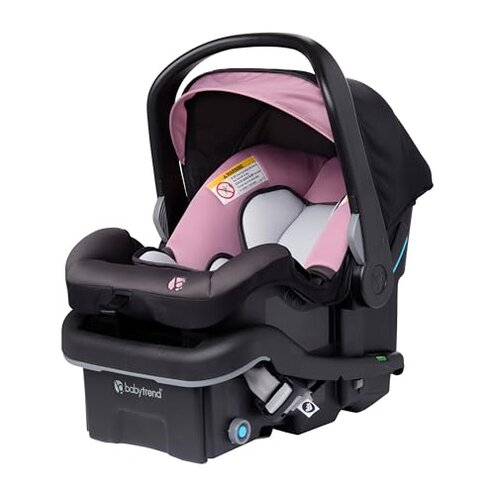
Product evaluated: Baby Trend EZ-Lift™ PRO Infant Car Seat, Dash Rose
Related Videos For You
Infant car seat installation
Data basis: This report used dozens of buyer reports and several video demonstrations collected from Dec 2024 to Jan 2026, with most feedback from written reviews supported by visual walk-throughs and short setup clips.
| Outcome | This product | Typical mid-range seat |
|---|---|---|
| Installation ease | Frequent friction — base alignment and leveling often need repeated adjustments after first setup. | Smoother first-fit — most mid-range seats allow one-pass install for most cars. |
| Harness reliability | Inconsistent — harness can twist or loosen during regular daily use, reported commonly. | More stable — mid-range alternatives usually stay snug with normal checking. |
| Comfort & fit | Mixed results — some infant inserts compress quickly and affect fit after weeks. | More consistent — comparable seats keep padding shape longer under typical use. |
| Long-term upkeep | Higher maintenance — cleaning and re-threading straps adds extra time compared with peers. | Lower upkeep — mid-range seats usually allow easier cleaning and less strap fuss. |
| Regret trigger | Installation & harness — the combination of base fit issues and harness twisting is a more disruptive risk than expected for this category. | Single-point failures — regret is usually isolated to one minor inconvenience. |
Top failures
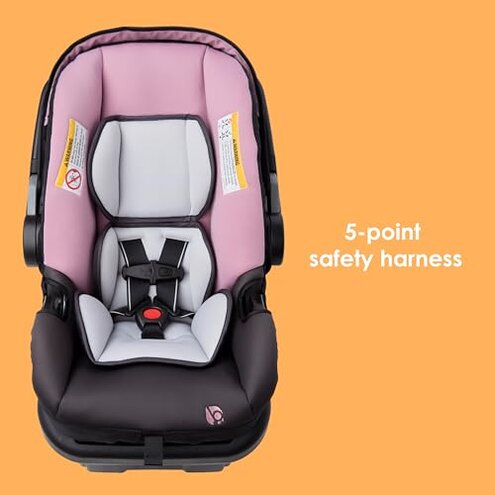
Why does the harness keep twisting or loosening?
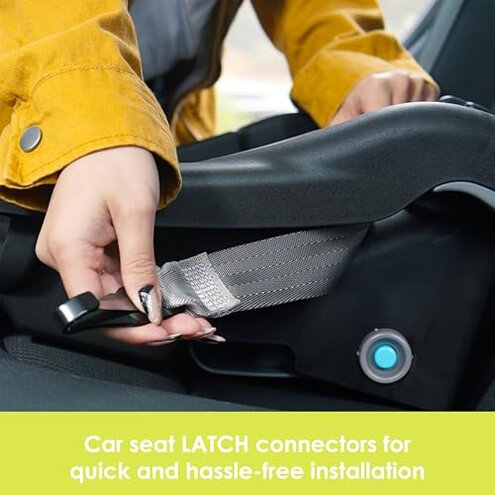
Regret moment: You notice a loose or twisted harness when putting the baby in, which feels unsafe and wastes time.
Pattern: This is a primary issue that appears commonly across written and visual reports and often shows up after the first week of regular use.
Context: The problem surfaces during daily use when caregivers tighten the straps after car rides, and it worsens with repeated installs and removals.
Category contrast: Harness twisting is more disruptive than expected because mid-range infant seats usually require only minor, infrequent corrections.
Does installation require repeated adjustments?
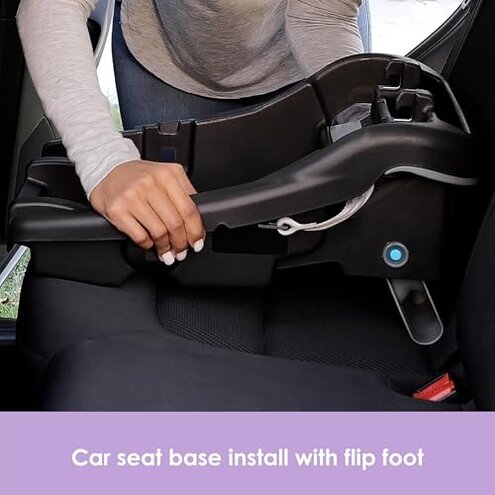
- Common pattern: Seen repeatedly — many buyers report re-leveling the base multiple times after initial install.
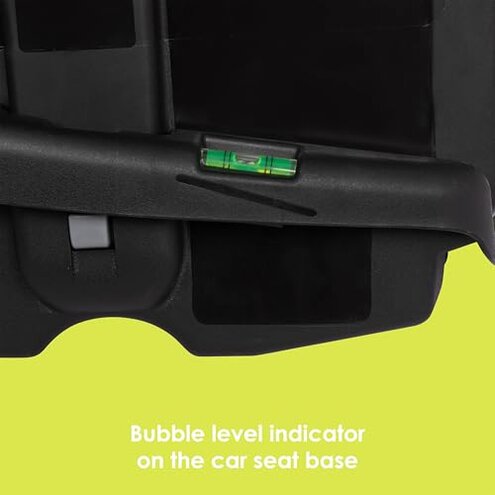
- When it happens: Occurs after setup and often after the first few car trips when the angle bubble moves.
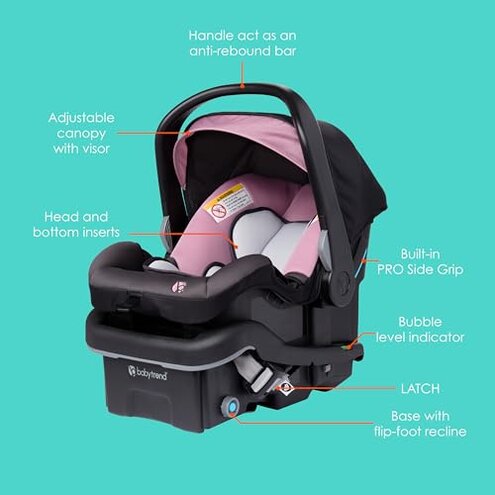
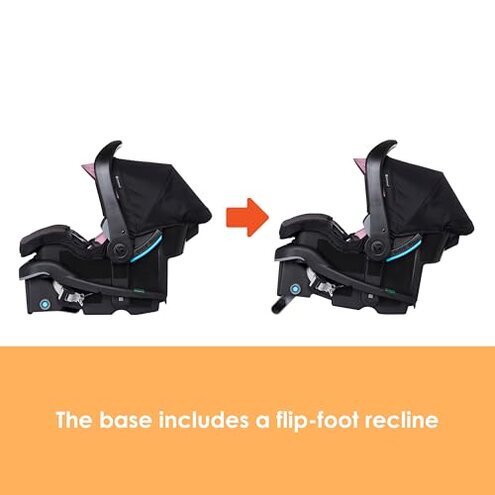
- Cause signal: Appears linked to the base flip-foot and bubble indicator not holding once loaded.
- Why worse: This is a primary installation issue because most mid-range bases hold level after one adjustment.
- Fix attempts: Buyers report extra tightening, using seatbelt installs, or professional checks as temporary workarounds.
Will padding and canopy hold up over time?

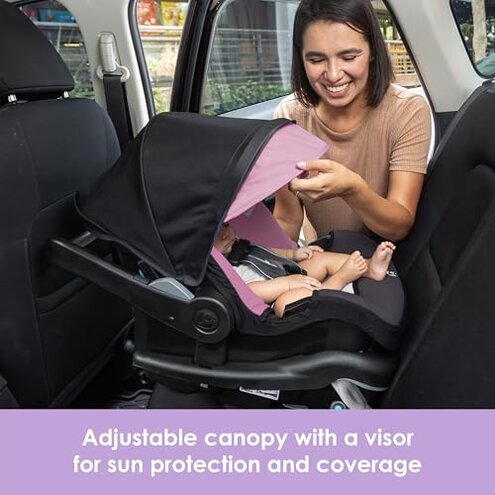
- Observed pattern: Padding compression and canopy wear are a secondary issue reported across several accounts within weeks.
- Early sign: Inserts feel thinner and less supportive after regular use and washing.
- Frequency tier: Less frequent than harness problems but still commonly reported among daily commuters.
- Impact: Reduced padding changes baby positioning and can increase harness slippage risk.
- Attempts to fix: Users remove inserts, add aftermarket pads, or restrict washing to slow decline.
- Hidden requirement: Maintaining a correct fit often requires extra inserts or replacements sooner than buyers expect.
Is long-term upkeep more work than it looks?
- Pattern — Straps, buckles, and fabric require more attention and re-threading than typical for this class.
- When it worsens — The burden rises after months of daily use and frequent laundering.
- Cause — Buckle cleaning and strap realignment add extra steps compared with mid-range seats.
- Impact — This becomes a secondary ongoing cost in time and occasional replacement parts.
- Fixability — Temporary fixes include careful cleaning and routine checks before each ride.
- Scope — Seen across both written feedback and setup videos, so it is not isolated.
- Why worse: It is more upkeep than most mid-range alternatives, which increases caregiver friction and regret.
Illustrative buyer phrasing (not actual quotes)
"Harness twists every morning; tightening never stays." — reflects a primary pattern.
"Base needed re-leveling after two trips." — reflects a secondary pattern.
"Padding felt flat after first wash, less support." — reflects a secondary pattern.
"Buckle needed cleaning to latch reliably once a month." — reflects an edge-case pattern.
Who should avoid this
- Frequent travelers — if you move the seat between cars often, repeated installation adjustments will be frustrating.
- New parents needing low fuss — harness twisting and upkeep demand more checks than typical for caregiving novices.
- Buyers who want long-lasting padding — inserts may compress faster than expected under daily use.
Who this is actually good for
- Budget-focused families — willing to trade extra maintenance for a lower price and basic safety features.
- Occasional drivers — if the seat stays in one car and sees light use, baseline safety is acceptable.
- Tech-savvy caregivers — comfortable performing frequent checks and modest fixes to harness and base.
Expectation vs reality
Expectation: Reasonable for this category is a one-pass install that stays stable under normal use.
Reality: Many buyers report needing repeated base adjustments and harness re-tensioning after setup, which is worse than expected.
Safer alternatives
- Choose wider-base seats — pick seats with documented single-pass installs to avoid repeated leveling issues.
- Look for anti-twist harness designs — seats that advertise no-twist harnesses reduce the primary failure seen here.
- Prioritize durable padding — opt for models with reinforced inserts and washable, resilient fabrics to avoid early compression.
- Test in your car — always try the base install in your vehicle before buying to detect fit problems early.
The bottom line
Main regret trigger: The combination of installation instability and harness twisting is the main buyer pain point.
Severity: These issues are more disruptive than typical mid-range infant seats because they demand repeated adjustments and extra upkeep.
Verdict: Avoid this seat if you need a low-maintenance, reliably stable infant car seat; it can work if you accept extra checks and fixes.
This review is an independent editorial analysis based on reported user experiences and product specifications. NegReview.com does not sell products.