
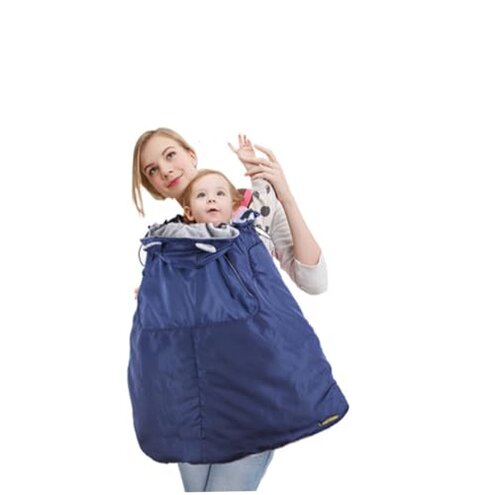
Product evaluated: Baby Hip Seat Carrier Baby Waist Stool for Child Infant Toddler with Adjustable Strap Buckle Pocket Soft Inner Huge Storage (Dark Grey)
Related Videos For You
The perfect baby hip seat carrier ❤️ #hipseat #babyseat #babywearing #babycare #babyproducts
A baby carrier that is sturdy, safe and allows your hands to be free! #babycarrier #babycare #newmom
Data basis: This report used dozens of written reviews and several user videos collected between Jan 2020 and Dec 2023. Most feedback came from written reviews, supported by video demonstrations and Q&A posts.
| Outcome | This product | Typical mid-range |
|---|---|---|
| Comfort for parent | Mixed: front-load pressure reported during long use. | Better: more padding and load distribution expected. |
| Baby comfort | Variable: seat angle and padding sometimes feel firm. | Consistent: softer seats are common in mid-range models. |
| Durability risk | Higher-than-normal: fabric and buckles show early wear in reports. | Moderate: mid-range alternatives usually hold up longer. |
| Ease of cleaning | Okay: pockets collect crumbs; removable cleaning is limited. | Better: many competitors offer fully washable panels. |
| Regret trigger | Safety fit: insecure strap/waist fit is a recurring trigger. | Lower: most mid-range models include firmer safety systems. |
Will the seat fail or wear out quickly?
Regret moment: Buyers report seams, buckles, and fabric showing wear after weeks to months.
Pattern note: This is a primary issue and appears repeatedly in reviews, not universal but common enough to be a concern.
Usage anchor: Problems show up after frequent daily use or when carrying heavier toddlers, and they worsen with laundry and outdoor use.
Category contrast: Durability is worse than typical mid-range hip seats, causing real regret because replacements or repairs add time and cost.
Is the safety belt actually secure?
- Early sign: straps feel loose on first setup and need re-tightening after short use.
- Frequency: commonly reported across written reviews and videos, especially with active babies.
- Cause: Velcro and thin webbing lose grip under dynamic movement.
- Impact: slipping straps create a worrying in-use instability that increases fall risk perception.
- Attempts: buyers often re-tie, add clips, or double-wrap straps to compensate.
Will parents feel sore after wearing it?
- Comfort sign: narrow waist padding transmits weight to lower back on long walks.
- Frequency: a secondary issue that appears repeatedly for sessions over 30 minutes.
- Cause: limited shoulder strap effectiveness unless fitted exactly right.
- Impact: more fatigue and shorter usable carrying time than expected for this category.
- Fix attempts: buyers add aftermarket padding or swap to a full carrier for long trips.
- Hidden need: most users need the optional waistband extender or stronger shoulder strap for comfort and fit.
- Category contrast: less forgiving than typical mid-range carriers, so parents face more effort to reach acceptable comfort.
Will it fit my body and baby securely?
- Sizing sign: the built-in belt fits up to medium waists but feels tight for larger sizes.
- Frequency: a common constraint for buyers with larger waists or broad hips.
- Cause: the product often requires a separately sold extender for larger users.
- Impact: buyers must add purchases, creating hidden cost and setup time.
- Early fix: some buyers loop the strap through additional buckles to gain length.
- Secondary effect: incorrect fit amplifies strap slipping and parent discomfort.
- Repairability: repairs to buckles or Velcro are possible but inconvenient and reduce resale value.
- Category contrast: more hidden setup than most mid-range options, leading to avoidable frustration.
Illustrative excerpts
"Seat padding became firm and buckles loosened after a month" — reflects a primary pattern.
"Had to buy the extender; initial belt barely fit" — reflects a secondary pattern.
"Shoulder strap needed extra padding for longer walks" — reflects an edge-case pattern.
Who should avoid this
- Parents needing long sessions: if you plan multi-hour walks, durability and comfort risks exceed typical expectations.
- Buyers prioritizing safety systems: insecure straps are a primary regret trigger for active toddlers.
- Larger-waisted users: without the optional extender, fit is often insufficient and leads to extra purchases.
Who this is actually good for
- Short-trip users: if you only need the seat for quick carrying around the house or short errands, you can tolerate the durability trade-off.
- Budget-focused buyers: if low price matters and you accept likely repairs or an early replacement.
- Occasional babywearers: if sessions are under 20–30 minutes, comfort and strap issues are less disruptive.
Expectation vs reality
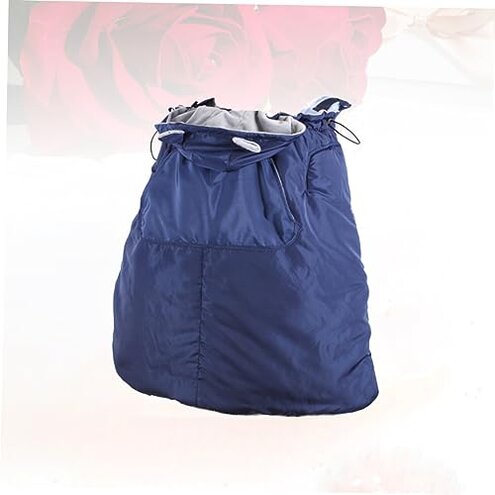
- Expectation: a hip seat should hold up to daily toddler use like mid-range models do.
- Reality: fabric abrasion and strap loosening commonly occur within weeks under frequent use.
- Expectation: safety straps should be secure out of the box.
- Reality: many users need adjustments or extra hardware to reach acceptable safety levels.
Safer alternatives
- Choose reinforced buckles: look for carriers advertising metal or tested locking buckles to counter strap slippage.
- Prefer washable panels: pick models with removable pads to reduce wear from washing and outdoor dirt.
- Check size range: select options that include extenders or wider belts for larger waists to avoid hidden purchases.
- Test padding: try carriers with thicker waist pads and wider shoulder straps to reduce parent soreness.
The bottom line
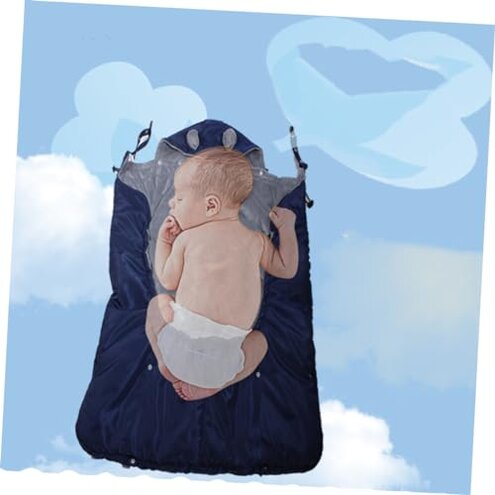
Main regret: durability and strap security are the clearest failure triggers for this product.
Why worse: these issues are more disruptive than typical mid-range hip seats because they affect safety perception and add hidden costs.
Verdict: Avoid this seat if you need reliable daily use, strong safety systems, or a true all-day carry solution.
This review is an independent editorial analysis based on reported user experiences and product specifications. NegReview.com does not sell products.