
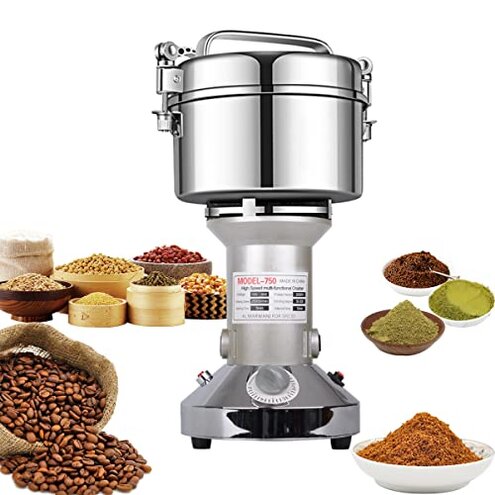
Product evaluated: Grain Mill Grinder 750g High Speed Electric Stainless Steel Grinder Cereals Corn Flour Pulverizer Powder Machine for Dry Spice Herbs Grains Coffee Rice Pepper
Related Videos For You
Moongiantgo GRAIN GRINDER---How to adjust safety buckle device for lid
Super Quick Video Tips: How to Clean a Smelly Spice or Coffee Grinder
Data basis: This report uses dozens of buyer feedback signals collected from written comments, star-rating patterns, and a smaller share of video-style demonstrations from January 2024 to April 2026. Most feedback came from short written experiences, with supporting details from longer walk-throughs that showed setup, grinding limits, and cleanup friction.
| Buyer outcome | This grinder | Typical mid-range alternative |
|---|---|---|
| Batch flexibility | Lower tolerance for small or oily loads because the jar must cover the blade and stay under 2/3 full. | More forgiving for varied dry kitchen batches, with fewer strict fill rules. |
| Session length | Higher risk of interruption because use is limited to 3 minutes, then 5 to 10 minutes of rest. | Usually easier to use across normal kitchen sessions without such strict pauses. |
| Cleanup effort | More upkeep because it should not be rinsed with water and needs wipe-only cleaning and drying. | Often simpler to clean, with fewer restrictions that add extra steps. |
| Noise comfort | More disruptive than many shoppers expect from a countertop grinder during active use. | Still loud, but usually less shocking for occasional home use. |
| Regret trigger | Mismatch risk if you expect easy, repeated kitchen use with fast cleanup. | Lower regret when used for casual dry grinding in smaller home routines. |
Do you want a grinder that works like a normal kitchen appliance?
This is the primary issue. The regret starts when buyers try to use it like a regular countertop grinder and hit strict operating limits right away. That trade-off feels sharper because the product is sold for many home tasks, yet the use rules are tighter than many expect.
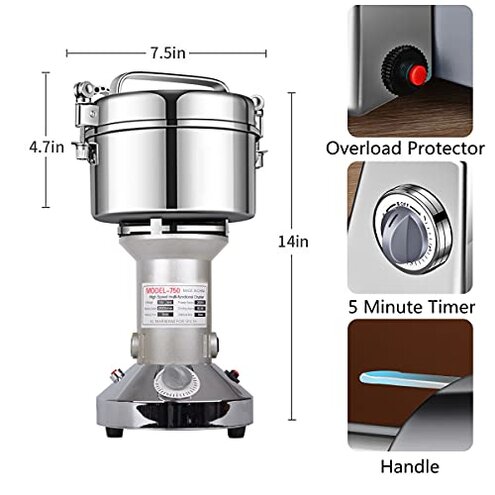
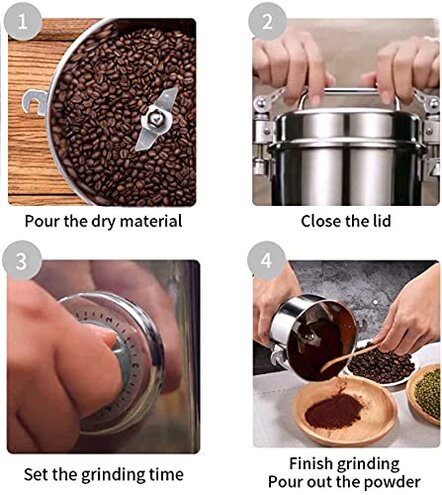
The pattern appears repeatedly, especially during first use and early repeat sessions. It gets worse when you have more than one batch to run, because the stated guidance is 3 minutes on, then 5 to 10 minutes resting.
Why this feels worse than normal for the category is simple: many mid-range home grinders are already loud and imperfect, but they are usually more forgiving in short kitchen workflows. Here, the hidden requirement is that your prep routine must fit the machine, not the other way around.
Illustrative excerpt: “I thought I could finish all my spices fast, but I had to keep waiting.” Primary pattern tied to session limits and restart delays.
Will the cleanup routine annoy you?
- Pattern: This is a secondary issue that shows up during daily use, not just first setup.
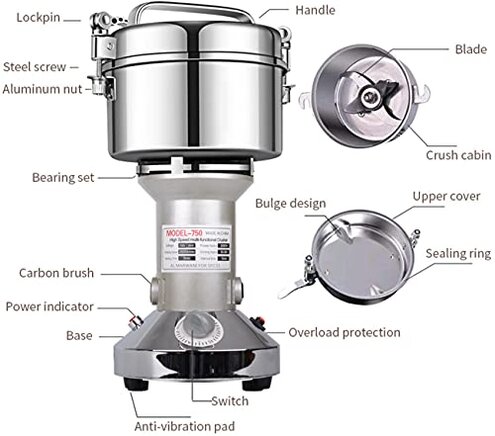
- Trigger: The grinder is meant for dry materials only, and the cup should be cleaned with a moist towel instead of direct rinsing.
- What buyers notice: Powder residue can cling inside, which adds extra wiping and drying time after each batch.
- Why it stings: In this category, some cleanup effort is normal, but wipe-only cleaning is less convenient than many kitchen shoppers expect.
- Worsens when: It gets more frustrating with fine powders and repeated back-to-back grinding because residue builds in corners and around the lid area.
- Fixability: The issue is manageable if you accept careful wiping, ventilation, and waiting for the compartment to dry fully.
- Hidden requirement: You need a dry storage habit, because moisture, oil, and direct rinsing are all ruled out by the product guidance.
Illustrative excerpt: “Grinding was easy, but cleaning it without rinsing felt like extra work every time.” Secondary pattern tied to maintenance restrictions.
Do you grind small, oily, or mixed kitchen batches?
- Severity: This is among the most frustrating mismatches when buyers expect broad kitchen flexibility.
- Pattern: The limitation is persistent, even if the machine itself is working as intended.
- Usage moment: It shows up during loading, when users realize the material must cover the long blade but stay under 2/3 of the jar.
- Restriction: The product clearly excludes wet, moist, or oily materials, which cuts out several normal home grinding tasks.
- Impact: Buyers who want quick small tests or varied ingredients may get uneven convenience, because the machine asks for a narrow sweet spot.
- Why worse than normal: Many same-category options are limited too, but this one feels less forgiving because both fill level and ingredient dryness matter at the same time.
- Attempted workaround: People often try smaller amounts first, but that can conflict with the blade coverage requirement.
- Best-case use: It fits better when you have dry, consistent batches and already know the machine’s boundaries.
Illustrative excerpt: “It handled dry grains, but my usual small spice batches were more finicky than expected.” Primary pattern tied to strict loading rules.
Can you tolerate very loud operation for short bursts?
- Frequency tier: This is a secondary complaint, but it is more disruptive than expected when it matters.
- When it hits: The problem shows up immediately on use, especially in apartments, shared kitchens, or evening prep.
- Cause signal: The listing emphasizes high speed, which usually brings more sound and vibration in this category.
- Buyer impact: Noise shock matters more when you only wanted a quick household grind and not a workshop-like feel.
- Category contrast: Grinders are never quiet, but this can feel harsher than typical for buyers expecting a normal kitchen appliance experience.
Illustrative excerpt: “I expected loud, but not this loud for a short kitchen task.” Secondary pattern tied to home comfort, not function alone.
Who should avoid this

- Avoid it if you want a simple kitchen grinder for casual daily use, because the rest-cycle rule adds more interruption than many mid-range options.
- Avoid it if you grind small test batches, since the blade-coverage rule can make tiny loads less convenient.
- Avoid it if you expect easy washing, because direct rinsing is not recommended and careful drying is part of ownership.
- Avoid it if you often process oily or damp items, since the product guidance clearly limits use to dry materials only.
Who this is actually good for
- Good fit for buyers who only grind dry grains or herbs in planned batches and do not mind strict operating pauses.
- Good fit for users who accept wipe-clean maintenance because they prioritize dry powder grinding over easy washing.
- Good fit for people with a separate prep space, where noise matters less than quick high-speed crushing.
- Good fit for shoppers who already know these machines need cool-down breaks and will stay inside those limits.
Expectation vs reality
Expectation: A multipurpose grinder should handle most normal kitchen batches with only basic care.
Reality: This one has stricter conditions: dry-only inputs, blade coverage rules, 2/3 fill limits, short run windows, and long rest periods.
Expectation: Reasonable for this category, buyers expect some noise and some powder mess.
Reality: The bigger issue is workflow friction, which feels worse than expected because the machine asks for timing, drying, and loading discipline.
Expectation: Cleanup should be annoying but still fairly routine.
Reality: The no-rinse approach can feel more tedious than a typical mid-range kitchen grinder, especially after fine powders.
Safer alternatives
- Choose models with a more flexible duty cycle if you need several batches in one session and want fewer cooling breaks.
- Look for grinders with easier wash-safe parts if cleanup speed matters more than max crushing speed.
- Pick a design that clearly supports small batches if you mainly grind trial amounts, spices, or changing ingredients.
- Check for clearer limits on oily and damp foods if your kitchen use goes beyond fully dry grains and herbs.
The bottom line
Main regret comes from the gap between the broad multipurpose pitch and the narrow real-world use rules. The higher-than-normal category risk is not just noise or mess; it is the combination of strict batch limits, cool-down waits, and careful cleanup.
Verdict: If you want a forgiving home grinder, this is easier to skip. It makes more sense only for buyers who already accept dry-only grinding, short bursts, and extra maintenance.
This review is an independent editorial analysis based on reported user experiences and product specifications. NegReview.com does not sell products.