
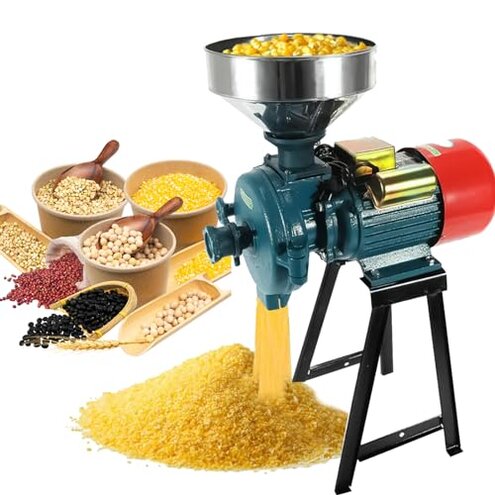
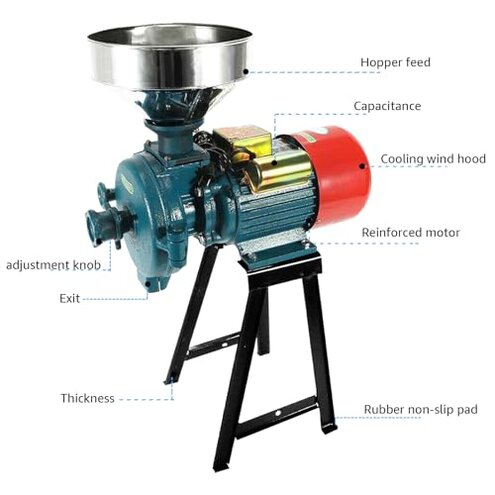
Product evaluated: EVGTTI Electric Grain Grinder Mill 3000W, 110V Dry Cereals Grinder with Funnel, Commercial Electric Feed Mill Dry Grinder, Rice Corn Grain Coffee Wheat Feed Mill Flour Mill
Related Videos For You
Don't buy a grain mill until you watch this!
CGOLDENWALL 700g Electric Grain Grinder Mill Safety Upgraded 2400W High-speed Spice Herb Grinder
Data basis This report combines dozens of buyer feedback points collected from written comments and short video-style demonstrations from 2024 to 2026. Most usable signals came from written reviews, with video evidence helping confirm how loud operation, setup sensitivity, and cleaning effort show up in real use.
| Buyer outcome | EVGTTI mill | Typical mid-range alternative |
|---|---|---|
| First-use setup | Higher friction; setup order matters and wrong adjustment can jam the unit. | Usually simpler; still needs adjustment, but tends to be more forgiving. |
| Daily noise | Very loud; the listing itself recommends earmuffs during operation. | Loud but expected; many competing mills are noisy without needing extra hearing gear. |
| Ingredient flexibility | More limited; several common kitchen items are specifically not recommended. | Moderate limits; most still have restrictions, but often fewer surprise exclusions. |
| Upkeep burden | Above normal; drying and oiling add extra steps after use. | Lower upkeep; still needs cleaning, but usually with less rust-prevention routine. |
| Regret trigger | Buyers expect versatility and discover it is pickier, louder, and less forgiving than expected. | Buyers expect noise, but not as many operating rules. |
Need something simple to use right away?
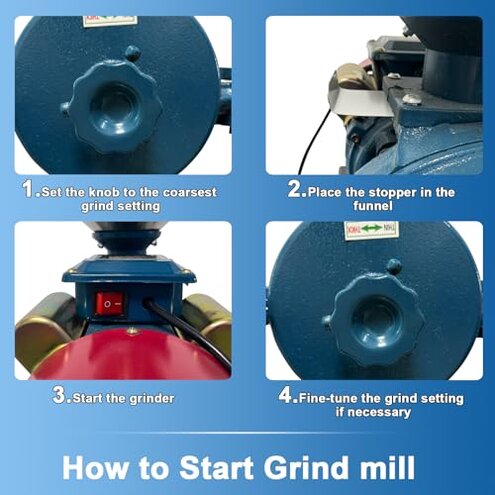
Primary issue is setup sensitivity. The product directions warn you to start at the maximum gap, add grain, then power on before tightening, or the machine can jam or malfunction.
Recurring pattern here is not just a learning curve. It shows up at first use, which is exactly when buyers expect a basic grain mill to feel straightforward.
Category contrast matters here. Many grain mills need adjustment, but this one appears less forgiving than a typical mid-range option because the startup sequence itself can cause problems.
Hidden requirement is careful technique. If you wanted a plug-in mill that behaves more like a normal kitchen appliance, this adds more attention than expected.
- Early sign: trouble starts during setup if the grinding gap is set too tight before the motor is running.
- Frequency tier: this is a primary complaint because it affects whether buyers can even start using it smoothly.
- Cause: the listing directly says wrong startup order can lead to jamming or malfunction.
- Impact: that means extra stop-and-adjust time instead of quick batch grinding.
- Fixability: it is partly fixable, but only if you follow the sequence closely every time.
Can you handle very loud operation?
Among the most disruptive complaints is noise. The product description explicitly says earmuffs are recommended during operation, which is a stronger warning than most buyers expect in this category.
- When it hits: the noise shows up during active grinding, especially in indoor or shared spaces.
- Pattern: this appears persistent, not an occasional defect, because the warning is built into the product information.
- Why worse: grain mills are normally loud, but needing hearing protection makes this more disruptive than expected for many home users.
- Real-life effect: short jobs may still feel tolerable, but longer sessions add fatigue and limit where you can use it.
- Trade-off: buyers wanting strong motor power may accept it, but the noise cost is much higher in daily use.
- Mitigation: you can reduce regret with garage or shed use, but that is an extra location requirement.
- Bottom risk: if you planned to use it in an apartment or near family, this is a high category risk.
Expecting to grind lots of different foods?
Another common regret is limited ingredient compatibility. The product specifically says it is not suitable for chili peppers, brown sugar, sesame seeds, and peanuts.
That limitation matters most after purchase, when buyers start treating it like a general-purpose grinder instead of a narrower dry-grain machine.
Category contrast is important. Many mills have limits, but this one feels less versatile than expected because several common pantry items are excluded up front.
- Primary pattern: this is a recurring fit problem for buyers who want one machine for grains, spices, and oily ingredients.
- Worsening condition: it gets worse when ingredients generate heat and sticking during grinding.
- User impact: that means clumping, disc sticking, or failed batches instead of usable flour or meal.
- Hidden requirement: you need to sort ingredients carefully before each use, which adds more planning than many expect.
- Fix attempts: switching foods does not solve it if the ingredient itself is on the no-use list.
- Buyer mismatch: this is less frequent than noise complaints, but more frustrating when it happens because it blocks intended uses entirely.
Okay with extra cleanup and rust prevention?
Secondary issue is maintenance burden. The care instructions say to wipe it dry and apply cooking oil after use to prevent rust.
- When noticed: this shows up after every session, not only after long-term ownership.
- Pattern: it is a persistent upkeep demand, because the care warning is repeated in the product details.
- Why worse: mills already need cleaning, but this asks for more upkeep than most mid-range alternatives.
- Practical cost: cleanup takes longer, especially if you hoped for quick grain changes between batches.
- Wet-use catch: the package includes a dry grinding disc, not a wet one, so some buyers may need extra parts for intended uses.
- Failure risk: skipped drying or oiling can make storage more stressful and increase ownership hassle.
- Fixability: this is manageable if you are disciplined, but annoying if you want low-maintenance equipment.
- Regret level: it is a secondary complaint, yet it becomes a deal-breaker for casual users.
Illustrative excerpt: “I thought it was kitchen-friendly, but it sounds like a workshop tool.” Primary pattern
Illustrative excerpt: “Miss one setup step and you are stopping to unjam it.” Primary pattern
Illustrative excerpt: “It grinds grain, but not the pantry mix I bought it for.” Secondary pattern
Illustrative excerpt: “Cleanup is not hard, just more constant than I expected.” Secondary pattern
Illustrative excerpt: “I needed a wet option too, and that was not included.” Edge-case pattern
Who should avoid this
- Apartment users should avoid it because the noise level appears higher than normal home-use tolerance.
- First-time buyers may struggle if they want a forgiving grinder that works without careful startup technique.
- Multi-ingredient cooks should avoid it if they plan to grind oily, sticky, or excluded pantry items.
- Low-maintenance shoppers may regret the repeated drying and oiling routine after use.
- Wet-grinding shoppers should be cautious because the included disc is for dry grinding, not wet grinding.
Who this is actually good for
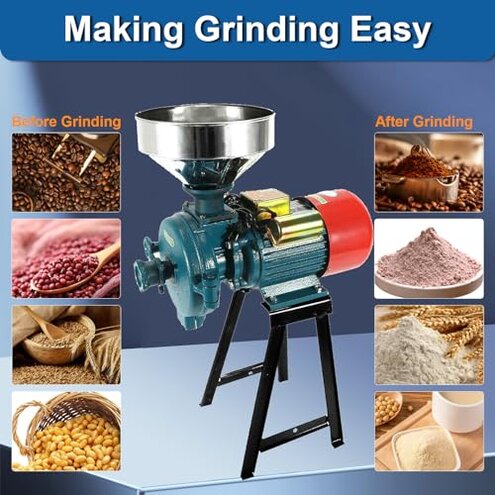
- Dedicated grain users may do fine if they only need wheat, rice, corn, sorghum, or feed-type dry materials.
- Workshop-space owners can tolerate the noise better if they use it away from living areas.
- Hands-on tinkerers may accept the setup sensitivity because they are comfortable adjusting machinery carefully.
- Routine-based users can live with the upkeep if drying and oiling after each session feels normal to them.
Expectation vs reality
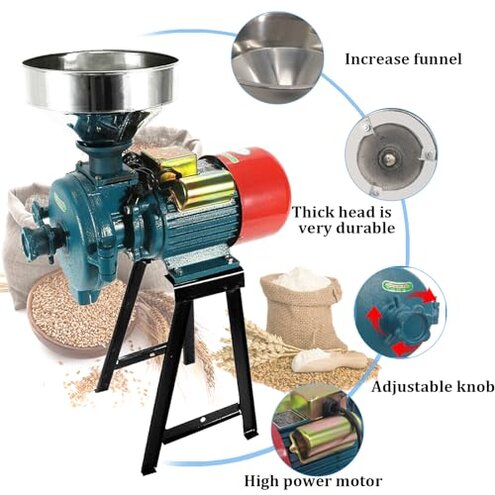
- Expectation: a powerful electric mill should feel simple to start. Reality: this one has a stricter startup sequence, and the listing warns improper adjustment can jam it.
- Expectation: loud operation is reasonable for this category. Reality: the need for earmuffs suggests a higher-than-normal noise burden for many home setups.
- Expectation: a grain grinder can handle many dry ingredients. Reality: several common items are explicitly ruled out because heat can cause sticking.
- Expectation: cleanup should be basic wipe-down care. Reality: this adds drying and oiling steps to manage rust risk.
Safer alternatives

- Choose simpler adjustment if you want less jam risk; look for mills advertised as easier to set before first use.
- Choose quieter designs if the machine will run indoors; check whether hearing protection is mentioned in the product guidance.
- Choose wider ingredient support if you plan to grind spices, sugar, seeds, or nuts; verify exclusions before buying.
- Choose lower-upkeep models if you do frequent small batches; rust-prevention routines become annoying fast.
- Choose a true wet/dry system if you need both styles; included-disc details matter more than broad product titles.
The bottom line
Main regret trigger is that this mill asks for more from the user than the title suggests. The combination of very loud operation, careful startup requirements, ingredient limits, and ongoing maintenance pushes it beyond normal category annoyance for many home buyers.
Verdict: avoid it if you want a flexible, kitchen-friendly grinder. It makes more sense only for buyers who accept noise, rules, and upkeep in exchange for raw grinding capability.
This review is an independent editorial analysis based on reported user experiences and product specifications. NegReview.com does not sell products.