
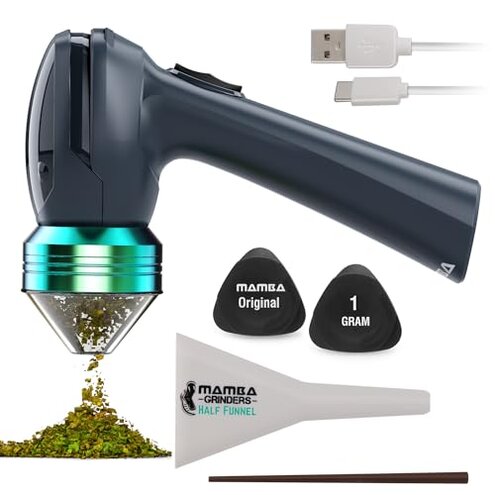
Product evaluated: Mamba Electric Herb Grinder – USB Rechargeable Spice Grinder, 1g Portable Metal Grinder for Herbs, Quick & Easy-to-Use Spice Mill for Kitchen
Related Videos For You
Mamba Battery Powered Electric Herb Grinder Unboxing, Usage and Review
How to clean your grinder
Data basis This report draws on dozens of buyer impressions collected from product-page feedback, written comments, short video demonstrations, and question-style user notes from 2021 to 2026. Most input came from written reviews, with video clips used to confirm how problems show up during filling, grinding, and cleaning.
| Buyer outcome | Mamba grinder | Typical mid-range alternative |
|---|---|---|
| Everyday ease | Mixed; easy one-handed use, but extra prep is commonly needed. | More forgiving; usually accepts a wider range of herb dryness and cut size. |
| Jam risk | Higher; among the most common complaints during daily use. | Moderate; clogs still happen, but less often with normal kitchen use. |
| Cleanup effort | Above normal; residue in the dispensing path adds extra steps. | Lower; typically easier to brush out between sessions. |
| Battery confidence | Uneven; less frequent than jams, but more disruptive when charging or power feels inconsistent. | Steadier; fewer complaints about recharge reliability. |
| Regret trigger | Buying for speed and then needing careful loading, drying, and cleaning to keep it working. | Buying for convenience and getting something closer to that expectation. |
Why does it jam when you wanted quick one-hand grinding?
Primary issue This is the most disruptive complaint pattern. The regret moment usually happens during a rushed cooking session, when the grinder slows or stops and the promised convenience disappears.
Recurring pattern It appears repeatedly after setup and during normal daily use, especially when herbs are not dry enough or are packed too tightly. That is a bigger hassle than usual for this category, because many mid-range alternatives are more tolerant of imperfect prep.
- Early sign Buyers commonly notice weaker output before a full stop, with uneven pieces or little coming through the spout.
- When it hits The problem shows up most during back-to-back grinding or when the chamber is filled close to its small capacity.
- Worsens with Slightly sticky or fluffy herbs, which many shoppers reasonably expect a kitchen herb grinder to handle better.
- Impact The machine saves hand effort, but often adds stop-and-start time, which feels more frustrating than a manual grinder.
- Hidden requirement It works best when herbs are prepared more carefully than many buyers expect, including keeping them dry and not overloading.
- Fixability Clearing and reloading can help, but that turns a simple task into repeated maintenance.
- Why worse Jam risk is category-expected, but here the inconvenience appears more frequent than normal and undermines the main reason to buy electric.
Illustrative: “I bought speed, but I have to baby it every time.”
Pattern: This reflects a primary complaint.
Does the cleanup end up taking away the convenience?
Secondary issue Cleanup is not the first thing buyers mention, but it is a persistent reason satisfaction fades after the first few uses.
Usage moment The annoyance usually shows up right after grinding, when bits stick in the path and buyers need brushes, tapping, or partial disassembly. That feels worse than expected because this category is supposed to reduce mess, not shift it to cleanup.
- Mess point Residue commonly collects where buyers expect smooth dispensing.
- Pattern This is recurring rather than universal, especially with regular use instead of occasional novelty use.
- Extra step Buyers often need to clean sooner than expected to maintain flow.
- Real cost Time savings shrink because each session can end with maintenance.
- Why worse Mid-range grinders usually still need cleaning, but less frequent upkeep is the normal baseline.
Illustrative: “It grinds fine, then I spend too long getting the rest out.”
Pattern: This reflects a secondary complaint.
What if the battery convenience is less reliable than expected?
- Frequency tier This is a secondary issue, less common than clogs but more disruptive when it happens.
- When noticed Buyers usually notice it after the first few sessions, when recharge expectations meet real use patterns.
- Worsens during Frequent kitchen use, especially if you expect it to be ready without checking charge status.
- Buyer impact A dead or weak unit is more frustrating than a manual grinder because there is no fallback mode.
- Category contrast Rechargeable tools always add charging friction, but this feels less forgiving than typical small kitchen gadgets.
- Attempted fix Recharging helps in some cases, but it does not solve complaints tied to uneven power under load.
Illustrative: “Nice idea, but it wasn’t always ready when I needed it.”
Pattern: This reflects a secondary complaint.
Is the small capacity more limiting than it first looks?
- Edge-case issue Capacity complaints are less frequent than jams, but they become more annoying in households that cook often.
- When it matters The limit shows up during meal prep or repeated use, where refilling breaks the flow.
- Trade-off The compact size helps handling, but the need to reload can offset that benefit.
- Worsens with Shared use or recipes needing multiple rounds of herbs in one sitting.
- Category contrast Small chambers are normal in portable grinders, but repeated reloading feels more frustrating here because the product is sold around speed and ease.
- Hidden effect More refills also mean more chances to overpack, which can feed into the jamming complaint.
- Fixability Buyers can work in smaller batches, but that adds time and attention.
Illustrative: “Good for a little bit, annoying for actual meal prep.”
Pattern: This reflects an edge-case complaint.
Who should avoid this
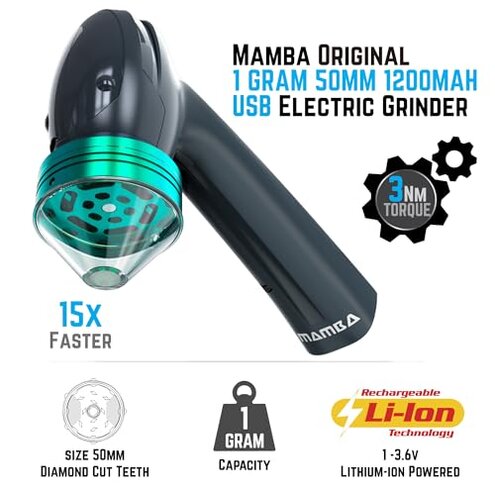
- Avoid it if you want a grinder that handles mixed herb textures without careful prep, because clogging appears repeatedly during normal use.
- Avoid it if you hate maintenance, since cleanup burden is higher than many buyers expect from a convenience tool.
- Avoid it if you cook in larger batches, because the small chamber can turn one task into several reload cycles.
- Avoid it if you want fail-safe readiness, since battery-related frustration is less frequent but more disruptive than with manual options.
Who this is actually good for
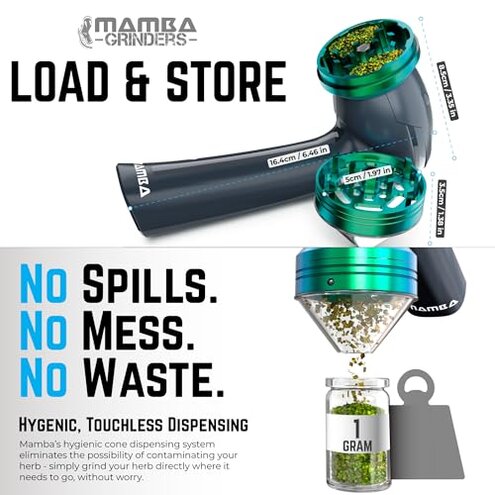
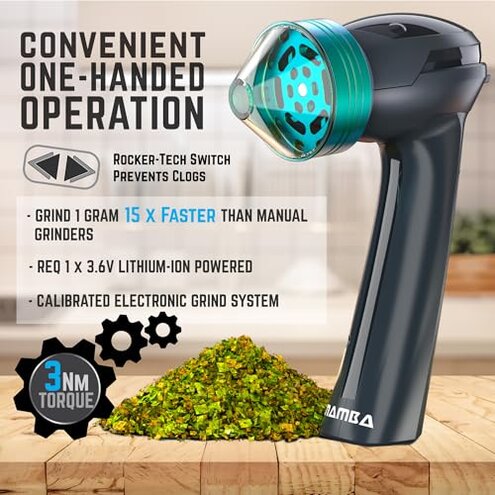
- Better fit for buyers grinding small amounts at a time who accept occasional clearing in exchange for one-handed use.
- Better fit for users with hand strain who can tolerate extra cleanup because reduced twisting effort matters more.
- Better fit for light, occasional kitchen use where the small capacity is less noticeable and jams are easier to manage.
- Better fit for buyers willing to keep herbs dry, loosely loaded, and cleaned between sessions.
Expectation vs reality

- Expectation: A rechargeable grinder should save time on every use.
Reality: Time savings often depend on careful loading, dryness, and cleanup afterward. - Reasonable for this category: Some clogging with difficult material.
Reality: Here the clog sensitivity appears higher than normal, even in everyday kitchen-style use. - Expectation: Small size means quick grab-and-go convenience.
Reality: The small chamber can mean extra refill cycles during real meal prep. - Expectation: USB charging removes hassle.
Reality: Charging helps portability, but some buyers still report readiness frustration.
Safer alternatives
- Choose a grinder with a wider feed path if you want to reduce the specific jam sensitivity seen here.
- Look for removable grinding parts if easy cleaning matters more than one-hand operation.
- Prefer a larger chamber if you often prep herbs for full meals, which directly avoids the refill issue.
- Consider a simple manual grinder if dependable use matters more than reduced hand effort, especially to avoid battery uncertainty.
The bottom line
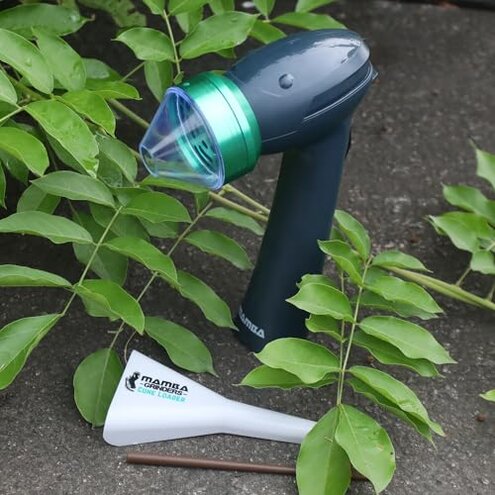
Main regret The biggest disappointment is buying this for speed and then needing extra care to avoid clogs, reloads, and cleanup. That exceeds normal category risk because the product’s main promise is convenience, and the hidden prep requirements cut into that quickly.
Verdict If you want low-effort, low-maintenance grinding, this is easier to skip. It makes more sense only for small-batch users who are willing to work around its limits.
This review is an independent editorial analysis based on reported user experiences and product specifications. NegReview.com does not sell products.