
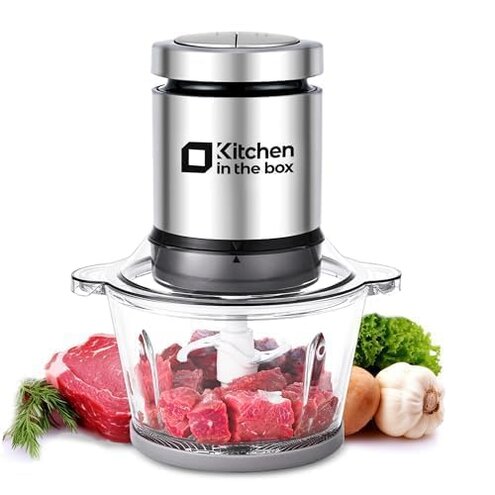
Product evaluated: Kitchen in the box Food Processors, 400W Powerful Small Meat Grinder & Food Chopper Electric Vegetable Chopper with One 8-Cups Bowl & S Blades for Meat/fish/Vegetable/Baby Food
Related Videos For You
Brieftons Food Chopper: Manual Vegetable Chopper Demo
KitchenAid Mini Food Chopper Review
Data basis: This report uses dozens of buyer feedback points gathered from written comments and short video-style demonstrations collected across the recent review window. Most signals came from written reviews, with added context from visual use clips that helped confirm what happens during setup, chopping, and cleanup.
| Buyer outcome | This chopper | Typical mid-range alternative |
|---|---|---|
| Daily prep ease | Mixed; fast on small batches, but extra care is often needed with loading and pulsing. | More forgiving; usually handles casual prep with fewer restarts. |
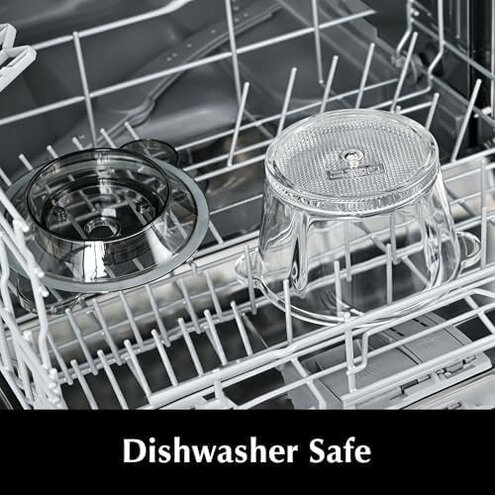
| Cleanup burden | Higher; the glass bowl helps, but lid and blade handling can add messy steps. | Moderate; still a chore, but usually less fussy after wet ingredients. |
| Texture consistency | Less even; can swing from chunky to over-processed during normal use. | More predictable; easier to get repeatable results. |
| Longer sessions | Higher-than-normal risk; small choppers in this price tier are expected to be limited, but this type can feel less forgiving with tougher loads. | Average risk; still not built for heavy batches, but usually steadier. |
| Regret trigger | Mess and inconsistency during everyday chopping, especially when buyers expect simple one-bowl convenience. | Slower speed or smaller capacity, but fewer surprise steps. |
Why does it turn a quick chop into extra cleanup?
Regret moment: One of the primary complaints is that a fast prep job can become a messy transfer-and-clean routine. This appears repeatedly during daily use, especially with onions, meat, and wetter mixes.
Category contrast: Small food choppers are never spotless, but this feels more disruptive than expected when buyers chose it to save weeknight time.
- Pattern: This is a primary issue that shows up across multiple feedback sources, not a one-off complaint.
- When: It tends to appear after setup, once buyers move from dry vegetables to wetter ingredients or mixed batches.
- Trigger: Overfilling or trying to process uneven pieces can make the contents move poorly and add extra scraping.
- Impact: Instead of dump-chop-done, buyers often face extra steps separating food from the lid and blades.
- Hidden requirement: It works better if users pre-cut ingredients smaller than expected, which reduces the convenience advantage.
- Fixability: Short pulses and smaller batches help, but they also reduce the speed benefit that attracted many shoppers.
Illustrative: “I wanted quick salsa prep, but cleanup took longer than chopping.” Primary pattern.
Why are the results sometimes too chunky and then suddenly mushy?
Regret moment: Another recurring frustration is uneven texture. Buyers often notice it during the first few uses when they expect a simple two-speed system to be easy.
Severity: This is a primary issue because it affects the actual food outcome, not just convenience. It is less damaging than a total failure, but more frustrating for people who prep several ingredients back-to-back.
Context: The problem usually shows up during normal pulsing with onions, baby food, fish, or meat. It worsens when ingredients differ in size or moisture.
- Frequency tier: Recurring enough to stand out among the most common complaints for compact choppers.
- Early sign: The top layer may look under-chopped while the lower portion gets too fine.
- Why it frustrates: Buyers have to stop, open, scrape, and pulse again, which adds time and guesswork.
- Category baseline: Some inconsistency is normal in budget choppers, but this can feel less predictable than typical mid-range options.
- Who notices most: People making dips, mince, or baby food tend to notice the texture swings more than buyers doing rough vegetable chops.
- Mitigation: Smaller loads and careful pulsing can improve control, but they make the 8-cup promise feel less practical.
- Trade-off: You can get acceptable results, but often only with hands-on attention that many shoppers did not expect.
Illustrative: “Half the onion was minced, and the rest was still in chunks.” Primary pattern.
Does the small size become limiting faster than expected?
- Core issue: A secondary complaint is that the compact format reaches its comfort limit quickly during family-size prep.
- When it shows up: It becomes obvious during meal prep, batch chopping, or tougher ingredients that need repeated pulses.
- Why worse than normal: Compact processors are expected to be limited, but this type can feel more restrictive when the bowl size suggests broader use.
- Real impact: Buyers may need multiple rounds for one recipe, which adds pause time and more cleaning.
- Worsening condition: The inconvenience grows with daily use if you prep meat, vegetables, and sauces in the same session.
- Attempted workaround: Users often split batches, but that cancels part of the speed benefit.
- Regret point: This is less frequent than texture complaints, but more frustrating when someone bought it as a mini all-purpose processor.
Illustrative: “It works, but only if I do everything in smaller rounds.” Secondary pattern.
Will it feel sturdy enough if you use it often?
- Pattern: Persistent concerns appear around long-term confidence, even when first-use performance seems fine.
- Usage moment: This tends to matter after repeated use, once buyers start using it several times a week.
- Main fear: People become cautious about pushing tougher ingredients because the unit can feel less forgiving than expected.
- Category contrast: Budget choppers are not heavy-duty, but buyers often expect a little more durability confidence for routine meat and vegetable prep.
- Visible effect: Users may shorten run time, reduce batch size, or avoid harder jobs entirely.
- Hidden cost: That self-limiting behavior means the machine gets used for fewer tasks than the listing suggests.
- Frequency tier: This is a secondary issue, not universal, but it matters because it changes how people use the product.
- Fixability: Gentle use can help, yet that also narrows the value compared with sturdier alternatives.
Illustrative: “I stopped using it for tougher foods because it didn’t feel reassuring.” Secondary pattern.
Who should avoid this
- Meal preppers should skip it if they want large, repeatable batches without stopping to scrape and reload.
- Texture-sensitive cooks should avoid it if they need consistent mince for dips, baby food, or even chopped onions.
- Low-mess shoppers should pass if the whole goal is fewer cleanup steps than hand chopping.
- Frequent users should be careful if they want one compact machine for daily meat, vegetables, and sauces.
Who this is actually good for
- Small-batch users may still like it if they only chop soft vegetables in short pulses and accept some scraping.
- Budget-first buyers may be fine with it if the main goal is occasional help, not polished food-processor performance.
- Patient cooks can make it work if they do smaller loads and tolerate extra cleanup for the lower price.
- Backup-tool shoppers may find it acceptable as a secondary chopper, not a main prep machine.
Expectation vs reality
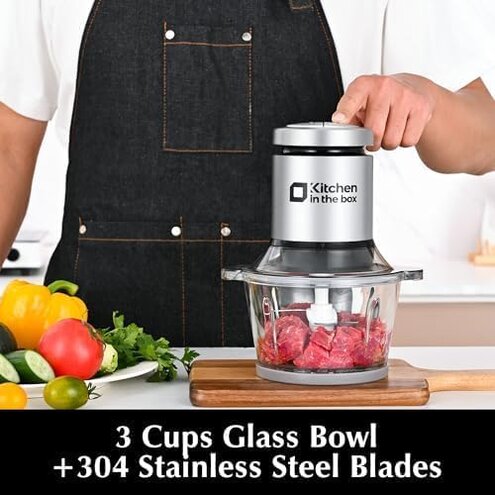
Expectation: An 8-cup electric chopper should handle weeknight prep with simple convenience.
Reality: The common frustration is that small loads and careful pulsing are often needed to avoid uneven results and extra cleanup.
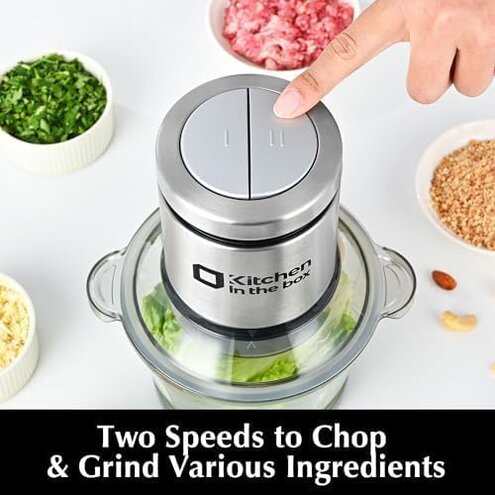
Expectation: A two-speed setup seems easy for mixed ingredients.
Reality: During real use, repeated pulsing and scraping can matter more than the speed setting itself.
Expectation: It is reasonable for this category to accept some inconsistency in a compact budget processor.
Reality: The texture swings can feel worse than expected, especially compared with typical mid-range alternatives that are more forgiving.
Safer alternatives
- Choose wider tolerance by looking for a model known for even chopping in mixed-moisture foods if texture consistency matters most.
- Reduce mess risk by favoring processors with simpler lid cleanup and easier food release for onions, sauces, and meat.
- Avoid capacity regret by buying for your real batch size, not the biggest bowl claim alone.
- Improve durability odds by choosing a unit positioned for frequent use if you plan to prep several ingredients each week.
- Skip hidden steps by checking whether buyers mention needing to pre-cut ingredients smaller than expected.
The bottom line
Main trigger: The biggest regret point is buying this for easy everyday prep and then running into mess, uneven texture, and extra stopping. That risk feels higher than normal for the category because the convenience trade-off shows up during basic use, not just heavy-duty tasks. If you want occasional small-batch help, it may be workable. If you want reliable, low-fuss chopping, this is a reasonable one to avoid.
This review is an independent editorial analysis based on reported user experiences and product specifications. NegReview.com does not sell products.