
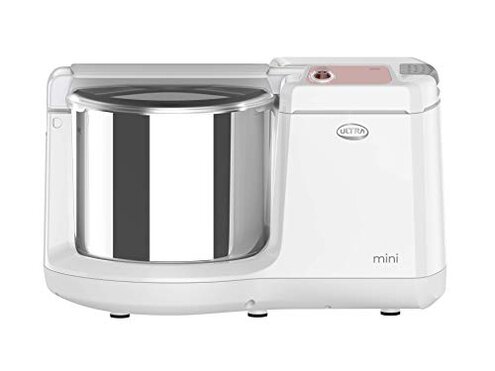
Product evaluated: ULTRA Mini Table Top 1.25L Wet Grinder with Atta Kneader, 110-volt (New Model), white, 1.25-Liter
Related Videos For You
assemble wet grinder #wetgrinder
Wet grinder cleaning and maintenance tips || Kitchen cleaning || Kitchen cleaning tips and tricks
Data basis This report combines dozens of buyer comments collected from written feedback and video-style demonstrations between 2023 and 2026. Most feedback came from written impressions, with smaller support from hands-on clips and update posts that showed how the grinder behaved after setup and during regular kitchen use.
| Buyer outcome | Ultra Mini | Typical mid-range alternative |
|---|---|---|
| Daily prep effort | Higher setup and cleanup burden can add extra steps before and after grinding. | Moderate effort is still normal, but routine use is usually more forgiving. |
| Batch flexibility | Lower tolerance for small household mistakes when load or water balance is off. | Better tolerance for minor measuring errors during daily use. |
| Noise comfort | Noticeable sound during operation can feel more disruptive than expected in a compact kitchen. | Typical appliance noise for this category. |
| Cleanup friction | Above normal cleanup and handling effort is a higher-than-normal category risk. | Average cleanup is still work, but usually less fussy. |
| Regret trigger | Hidden effort becomes obvious after the first few uses, not from the product page. | Space trade-off is more commonly the main compromise. |
Why does a small grinder still feel like a chore?
This is a primary issue. The regret moment usually appears after the first setup and gets clearer during weekday cooking. Buyers expecting quick batter prep often run into more handling and cleanup work than they expected.
The pattern is recurring. This is more disruptive than expected for this category because compact wet grinders are supposed to save counter space, not add more routine fuss.
- Early sign: After setup, buyers notice the drum, stones, and lid need more careful handling than a simple pour-and-run appliance.
- Frequency tier: Commonly reported cleanup friction is among the most common complaints.
- Usage moment: It shows up right after grinding, when batter residue has to be removed from several surfaces.
- Impact: Extra time after each batch can make spontaneous use less appealing.
- Why worse: Compared with a typical mid-range alternative, this feels less forgiving for quick daily use.
- Fixability: Careful routine helps, but it does not remove the extra steps.
Does the small size backfire on real family use?
This is another primary issue. The smaller 1.25-liter format sounds convenient, but the frustration appears during normal household batches when buyers want flexibility.
The pattern appears repeatedly. It is not universal, but when expectations are based on larger grinders, the trade-off feels sharper than normal for this category.
- Capacity reality: During regular use, the compact size can mean tighter batch planning for a family kitchen.
- Worsens when: Back-to-back grinding sessions are needed for different items or larger meals.
- Buyer impact: More rounds can mean more waiting, more cleanup, and less convenience.
- Category contrast: Small grinders always trade space for output, but this can feel more limiting than expected if you cook often.
- Hidden requirement: Buyers may need to change recipes or split work into smaller batches to get smooth results.
- Mitigation: It suits light use better than frequent large prep.
- Regret point: The problem is less frequent than cleanup complaints, but more frustrating when dinner prep is time-sensitive.
Why can getting good batter feel finicky?
This is a secondary issue. The frustration usually shows up after setup, when buyers expect the machine to be forgiving but find results depend heavily on how they load and manage the batch.
The pattern is persistent. It is worse during repeated use if the buyer wants consistent texture without trial and error. That feels worse than a normal category learning curve because many mid-range options are a little easier to dial in.
Illustrative: “I thought it would be simple, but every batch needed adjusting.” Secondary pattern because it reflects recurring use friction rather than outright failure.
Illustrative: “It works, but only when I baby the process.” Primary pattern because it captures the hidden effort many buyers dislike.
Is the noise and vibration more annoying than expected?
- Pattern: Commonly reported operating noise is a secondary complaint seen across multiple feedback types.
- When: It shows up during active grinding, especially in smaller homes where sound carries.
- Intensity: This is less frequent than cleanup complaints, but still more disruptive than expected for a compact countertop unit.
- What buyers notice: The machine can sound harsh enough to make early morning or late evening use less comfortable.
- Worsens when: Longer sessions make the noise feel more tiring.
- Category contrast: Some noise is normal here, but buyers often expect a mini model to feel less intrusive.
- Workaround: Better placement helps a little, but does not change the core sound profile.
Could the atta kneader end up being less useful than it sounds?
- Pattern: Less frequent than the main grinder complaints, but persistent among buyers who chose this model for multi-use convenience.
- When: The disappointment appears after purchase, once buyers try to use the extra attachment in real kitchen routines.
- Hidden expectation: Buyers may assume one machine replaces another task smoothly, which is not always how it feels in daily use.
- Impact: If the add-on feature underdelivers, the value at $215.88 feels harder to justify.
- Category contrast: Extras are common in this category, but regret rises when the add-on is a buying reason rather than a bonus.
- Fixability: This is partly expectation management, not an easy hardware fix.
- Illustrative: “The extra feature sounded great, but I barely use it now.” Edge-case pattern because not every buyer relies on the attachment.
- Illustrative: “Too loud and too much cleanup for a quick weekday batch.” Primary pattern because it combines the biggest recurring complaints.
Who should avoid this
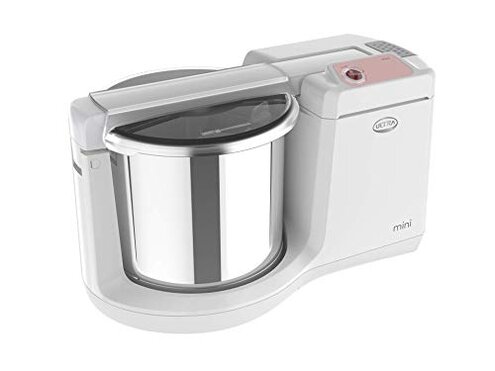
- Avoid it if you want fast weekday prep with minimal cleanup, because the routine effort appears higher than normal for a mid-range grinder.
- Avoid it if you often cook larger batches, because the 1.25-liter size can force extra rounds and add time pressure.
- Avoid it if you are sensitive to appliance noise in small spaces, since sound annoyance during long sessions is a recurring secondary complaint.
- Avoid it if you want plug-and-play consistency, because results can depend on how carefully you manage the batch.
Who this is actually good for
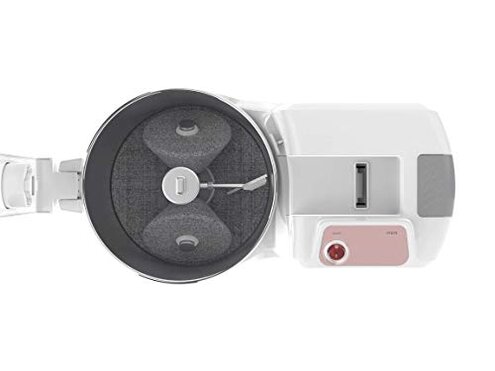
- Good fit for buyers with limited counter space who knowingly accept smaller batches and more hands-on use.
- Good fit for patient cooks who do planned prep and do not mind learning a preferred routine.
- Good fit for lighter households that will not push the capacity often.
- Good fit if the main goal is a compact wet grinder and the extra cleanup is an acceptable trade for size.
Expectation vs reality
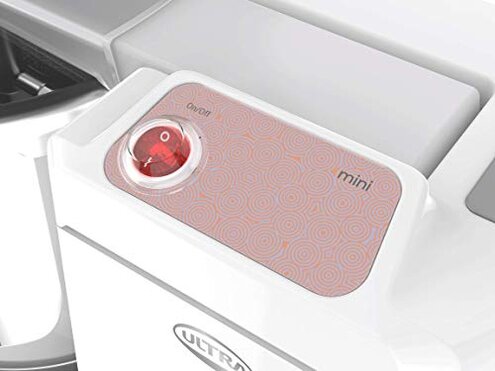
- Expectation: A mini grinder should be easier to live with day to day. Reality: The small footprint can come with more fussy handling than expected.
- Expectation: Reasonable for this category is some cleanup and some noise. Reality: both can feel worse than a typical mid-range alternative during frequent use.
- Expectation: The extra attachment should increase convenience. Reality: for some buyers, it adds less practical value than the listing suggests.
- Expectation: A family-size claim means flexible household prep. Reality: regular cooks may still feel constrained by the compact batch size.
Safer alternatives
- Choose larger capacity if you often make batter for several people, which directly reduces the repeat-batch frustration.
- Prioritize easier cleanup if you know weekday convenience matters more than compact storage.
- Look for forgiving use if you do not want to spend time learning water and load balance for consistent results.
- Skip bonus attachments unless they are proven important to your routine, which lowers the risk of paying extra for underused features.
- Check real-use noise through hands-on demos if your kitchen is close to living or sleeping areas.
The bottom line
Main regret usually starts with hidden effort: more cleanup, more attention during use, and less flexibility from the compact size than many buyers expect. That exceeds normal category risk because these annoyances show up during ordinary kitchen routines, not unusual edge cases. Verdict: avoid it if you want easy daily use, larger batch freedom, or low-fuss ownership.
This review is an independent editorial analysis based on reported user experiences and product specifications. NegReview.com does not sell products.