
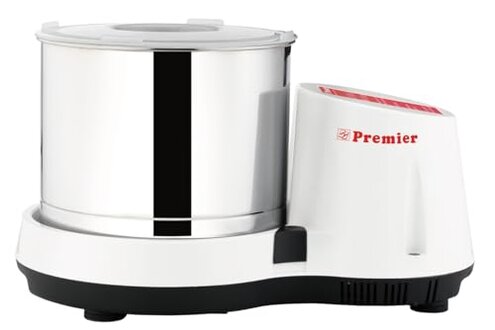
Product evaluated: Premier Compact Table Top Wet Grinder with Atta Kneader and Coconut Scrapper -110volts 2 Ltrs white color
Related Videos For You
Wet Grinder Machine - LEENOVA KITCHEN EQUIPMENT
Wet grinder cleaning and maintenance tips || Kitchen cleaning || Kitchen cleaning tips and tricks
Data basis This report summarizes dozens of buyer comments gathered from written feedback and video-style demonstrations collected across 2023 to 2026. Most feedback came from written experiences, with smaller support from visual setup and use clips, which helps show what happens during assembly, grinding, and cleanup.
| Buyer outcome | Premier wet grinder | Typical mid-range alternative |
| Daily mess risk | Higher when batter volume or consistency is not watched closely | Moderate and usually easier to predict |
| Setup ease | More demanding because add-ons and fit checks add extra steps | Simpler with fewer first-use adjustments |
| Cleanup burden | Higher-than-normal for this category after sticky batter sessions | Average cleanup for routine wet grinding |
| Noise and bulk | More noticeable in smaller kitchens due to its 30-pound size | Usually easier to move or store between uses |
| Regret trigger | Buying for convenience and then discovering the process still needs attention and cleanup time | Buying for convenience and getting closer to that expectation |
Did you expect a simple pour-and-walk-away grinder?
Primary issue is day-to-day convenience. A recurring complaint is that the grinder can feel more hands-on than expected during real batter making, which creates regret after the first few uses.
Usage context matters here. The frustration tends to show up during longer grinding sessions, especially when users hoped to multitask while preparing dosa or idli batter.
Category contrast is important. Wet grinders already need some attention, but this model is described as less forgiving than a typical mid-range option when consistency or batch amount is not closely watched.
- Early sign: You keep checking texture and drum behavior instead of leaving it alone for most of the session.
- Pattern: This appears repeatedly and ranks among the most common complaints for people who bought it to save effort.
- Impact: The machine can reduce grinding work, but it may add extra supervision time that buyers did not expect.
- Hidden requirement: It works better when the user already understands wet batter timing and thickness, which is a real learning step.
- Fixability: Experience helps, but that does not remove the inconvenience for new owners.
Will the cleanup feel heavier than the job itself?
Secondary issue is cleanup effort. This is not universal, but it is persistent enough to matter because the regret appears right after use, when sticky residue and multiple parts need attention.
When it hits is easy to recognize. The burden shows up after making batter or dough, especially when users switch between the included attachments and need more disassembly and washing steps.
Why worse than normal: this category is never low-maintenance, but buyers commonly describe the upkeep here as more disruptive than expected for a compact kitchen machine.
- Mess point: Batter handling and emptying can create extra wipe-down work if the texture is thick or the drum is full.
- Frequency tier: This is a secondary pattern, less frequent than supervision complaints but still common enough to shape repeat-use satisfaction.
- Real cost: Cleanup adds time after cooking prep, which can make owners delay using it for smaller batches.
- User attempt: Careful disassembly helps, but it does not fully remove the added sink time.
- Small-kitchen effect: The burden feels worse when counter space is tight and parts cannot air-dry easily.
- Expectation gap: Buyers drawn by the “compact” idea may still find the process more involved than that word suggests.
Do the size and weight make everyday use annoying?
Another regret point is handling. At 30 pounds, this grinder is heavy for something many people will want to move, rinse, and put away after each use.
Pattern strength is moderate but meaningful. It is less frequent than mess complaints, yet more frustrating when it occurs because it affects every single use in smaller homes.
- First-use shock: The “table top” label can create a lighter-duty expectation than the machine’s actual presence on a counter.
- Where it worsens: This feels worse in apartments or shared kitchens where the grinder cannot stay out permanently.
- Daily impact: Lifting, positioning, and cleaning a heavy unit adds effort before and after grinding.
- Category baseline: Wet grinders are not tiny, but this one is less convenient to move than many shoppers expect from a compact-format model.
- Workaround: A dedicated counter spot helps, though not everyone has that space.
- Regret trigger: Buyers who planned occasional use often find setup friction high for quick weekday batches.
- Long-term effect: Products that are hard to move tend to get used less often, even when performance is acceptable.
Are the included extras more helpful in theory than in practice?
Edge-case issue involves the included kneader and scraper. These extras can sound like a bonus, but a less frequent yet persistent complaint pattern is that attachments add expectations and steps.
- Buyer assumption: Extras can imply an all-in-one shortcut, which raises convenience expectations too high.
- When it shows: This becomes obvious during setup or the first attempt to switch tasks from grinding to dough work.
- Pattern: It is an edge-case issue, but it still matters because disappointment is sharper when accessories were part of the reason for buying.
- Why frustrating: Extra parts can mean more fitting, more washing, and more storage decisions.
- Category contrast: Accessories are normal, but here the value can feel lower if you mainly need reliable batter grinding and not multipurpose use.
Illustrative excerpt: “I still have to watch it more than I planned.” Primary pattern reflecting supervision complaints.
Illustrative excerpt: “Cleanup takes long enough that I skip small batches.” Secondary pattern reflecting post-use friction.
Illustrative excerpt: “Compact was not how it felt on my counter.” Secondary pattern reflecting size and storage regret.
Illustrative excerpt: “The extras sounded great, but added more steps.” Edge-case pattern reflecting accessory expectation mismatch.
Who should avoid this
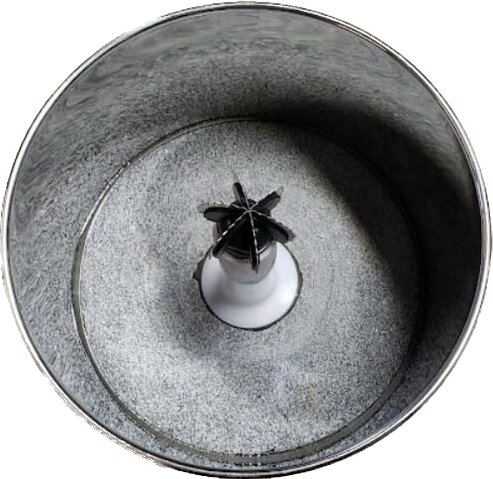
Avoid it if you want near-hands-off kitchen prep. The main regret pattern is that it commonly needs more attention during grinding than convenience-focused buyers expect.
Avoid it if you only make small batches. The cleanup and handling burden can exceed the time saved, which feels worse than normal for occasional use.
Avoid it if you have a tight kitchen. Its 30-pound weight and bulky footprint make move-and-store use more annoying than a typical mid-range expectation.
Avoid it if accessories are your main reason for buying. That is where expectation mismatch shows up fastest.
Who this is actually good for
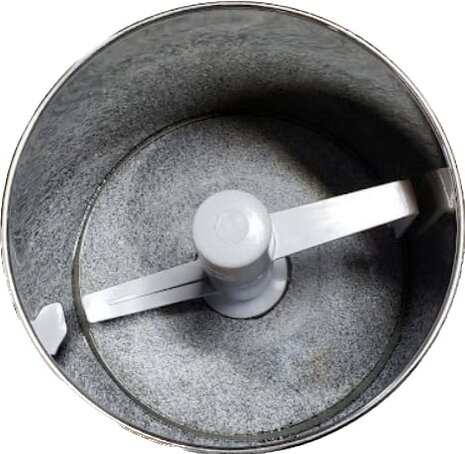
Better fit for buyers who regularly make family-size batter and can leave the machine in one spot. That reduces the weight and storage problem.
Better fit for users who already know wet grinder timing and batter consistency. They are more likely to tolerate the supervision requirement.
Better fit for shoppers who accept extra cleanup in exchange for traditional wet grinding at home. The trade-off is easier to justify with frequent use.
Better fit for people who see the included extras as optional, not as the product’s main value.
Expectation vs reality
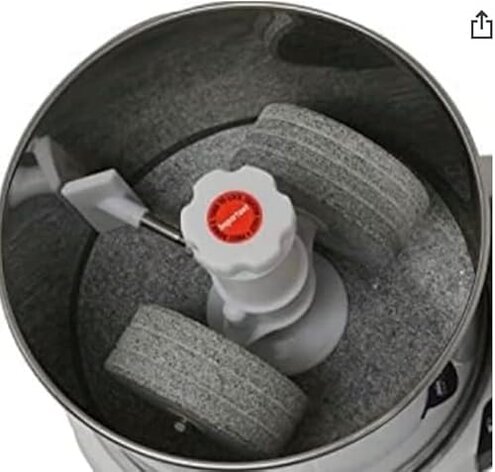
- Expectation: A compact wet grinder should be reasonably easy to move and store. Reality: At 30 pounds, this can feel heavier and more permanent than that label suggests.
- Expectation: Included accessories should save effort. Reality: They can add steps, washing, and storage needs depending on how you cook.
- Reasonable for this category: Some monitoring is normal. Reality: The attention needed here is often described as more frequent than expected, especially for newer users.
- Expectation: Cleanup should feel proportional to the batch size. Reality: For smaller runs, the post-use effort can feel too high.
Safer alternatives
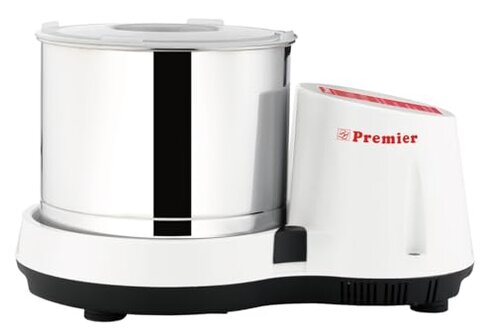
- Choose simpler builds if you care most about easy cleanup. Fewer attachments usually means fewer wash and storage steps.
- Prioritize stable capacity over bonus accessories if your main job is dosa or idli batter. That helps avoid the all-in-one expectation trap.
- Check loaded weight before buying if you will store it after each use. This directly reduces the daily handling frustration.
- Look for forgiving operation if you are new to wet grinding. A model known for easier consistency control better fits hands-off expectations.
- Watch real kitchen demos before purchase. Seeing transfer, cleanup, and counter use helps reveal mess and space issues early.
The bottom line
Main regret is not raw function. It is the gap between the convenience buyers expect and the supervision, cleanup, and handling effort they actually face.
Why it exceeds normal category risk is that those hassles appear during everyday use, not just rare failures. Verdict: avoid it if you want low-effort batter prep or need something easy to move, store, and clean.
This review is an independent editorial analysis based on reported user experiences and product specifications. NegReview.com does not sell products.