
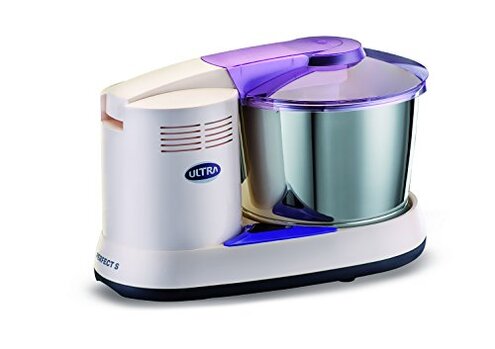
Product evaluated: Elgi Ultra Perfect S 2.0-Liter Table Wet Grinder with Atta Kneader, 110-volt, White
Related Videos For You
assemble wet grinder #wetgrinder
Wet grinder cleaning and maintenance tips || Kitchen cleaning || Kitchen cleaning tips and tricks
Data basis: This report is based on dozens of aggregated owner comments collected from written reviews and Q&A-style feedback, spanning a multi-year window up to recent months. Most feedback came from longer written posts describing daily kitchen use, supported by shorter troubleshooting notes. The focus here is on repeatable negatives, what triggers them, and what buyers tried to do next.
| Buyer outcome | Ultra Perfect S 2.0L | Typical mid-range wet grinder |
|---|---|---|
| Daily mess risk | Higher spill and splash complaints, especially during longer runs | Moderate splatter is expected but tends to be easier to contain |
| Noise tolerance | Higher-than-normal irritation reports during operation | Noticeable noise, but fewer “can’t use it” reactions |
| Ease of cleaning | More effort reported than buyers expected from “detachable” parts | Average cleanup with fewer tight spots |
| Attachment usefulness | Mixed satisfaction with the atta kneader results | More predictable results when attachments are simpler or optional |
| Regret trigger | “Too messy and loud” for frequent batter making at home | “Takes time” but stays manageable in routine use |
“Why is it making such a mess on the counter?”
Regret moment tends to hit after setup, when a longer grind turns into a wipe-down project. This is a primary complaint pattern that appears repeatedly in day-to-day batter use.
When it shows up is usually during long sessions for idli/dosa-style batters, especially if you top up water or check consistency often. The frustration feels worse than typical because mid-range wet grinders are already messy, but buyers here describe more cleanup steps than they planned for.
- Recurring pattern shows up across routine batter making, not just edge-case misuse.
- Trigger moment is when you run it longer and the mix gets more fluid.
- Counter impact is extra wiping around the base and nearby surfaces.
- Hidden requirement is needing a dedicated spill mat or “wet zone” spot to keep it livable.
- Fixability is limited because the workaround is mostly habits and placement, not a quick adjustment.
- Early sign is splatter appearing even before the batter reaches final smoothness.
- Category contrast is that a “normal” grinder mess is contained, but this is described as more disruptive.
“Is the noise level normal, or is mine off?”
Discomfort is a common theme during daily use, especially in smaller homes. This is a secondary issue that still appears persistently in feedback.
- When noticed is right away on the first few runs, not only after months.
- Worsens with longer continuous grinding, when you expected to just “let it run.”
- Room spillover is the complaint, meaning it feels loud outside the kitchen too.
- More disruptive than baseline because wet grinders are noisy, but buyers describe it as hard to tolerate.
- Workarounds include changing where it sits, but that adds setup and vibration worries.
- Decision friction is running it less often, which defeats the point of owning it.
“Why does cleaning take longer than I expected?”
Expectation is fast cleanup because parts are described as detachable. The primary pain is that “easy to clean” can still mean more handling than many mid-range alternatives.
When it bites is after grinding sticky batters, when you are tired and want to put it away. The annoyance becomes more frequent if you make batter weekly, because the extra steps repeat.
- Repeated complaint centers on cleanup being more involved than the listing language implies.
- Time cost shows up after use, not during the fun part of cooking.
- Mess migration happens when moving parts to wash, creating extra drips.
- Habits needed include rinsing immediately, which adds “must-do” timing pressure.
- Storage hassle appears when you need space to air-dry parts properly.
- Category contrast is that most mid-range units still clean slowly, but this is described as more fussy.
- Mitigation is planning a wash station, but that is a lifestyle change, not convenience.
- Early clue is feeling like you need tools or extra wiping to reach all spots.
“Does the atta kneader attachment actually help?”
Mixed results are mentioned enough to treat this as a secondary risk rather than a bonus. It is not universal, but it shows up often when buyers choose this model specifically for the kneader.
- Expectation gap is buying it for kneading and then preferring another method.
- When it shows is after a few attempts, once the novelty wears off.
- Consistency issues are the usual frustration, meaning dough feel is not what they wanted.
- Extra steps include experimenting with batches, which costs time and ingredients.
- Category contrast is that attachments sound like upgrades, but here they can feel like trial-and-error.
Illustrative excerpts (not real quotes)
- “I spend more time wiping the counter than grinding.” Primary pattern tied to repeated mess complaints.
- “It’s loud enough that I avoid running it at night.” Secondary pattern tied to noise tolerance limits.
- “Detachable parts still feel annoying to wash every time.” Primary pattern tied to cleanup workload.
- “Bought it for kneading, but the dough takes experimenting.” Secondary pattern tied to attachment expectations.
- “Works, but it needs a dedicated spot and routine.” Edge-case framing that becomes real for small kitchens.
Who should avoid this
Small kitchens with limited counter space should be cautious because mess control often needs a dedicated setup area.
Noise-sensitive households should avoid it if you need to run long grinding sessions when others are sleeping or working nearby.
Low-maintenance shoppers should pass if you want quick rinse-and-store cleanup after each use.
Attachment-driven buyers should avoid if the atta kneader is the main reason you are paying more.
Who this is actually good for
Routine cooks who already accept wet-grinder cleanup and can build a fixed washing routine may tolerate the extra fuss.
Dedicated station owners with a permanent counter corner and a splash mat can reduce the mess regret.
Daytime users who only run it when noise is not a problem will be less bothered.
Experimenters willing to trial batches with the kneader may still find it useful.
Expectation vs reality
- Reasonable for this category: some noise and some splatter. Reality: complaints describe more disruptive noise and mess than typical mid-range units.
- Expectation: detachable means quick cleaning. Reality: feedback often points to more steps than expected after sticky batters.
| What you plan | What can happen |
|---|---|
| Set it and forget it for long grinding | Babysitting the mess and managing splatter during longer runs |
| Use the kneader as a sure thing | Trial time to get the dough feel you want |
Safer alternatives
- Prioritize sealing: choose a mid-range wet grinder known for better splash control to reduce the counter mess risk.
- Shop for quieting: look for models where buyers repeatedly note lower noise during long sessions.
- Optimize cleaning: favor designs with fewer tight cleanup areas to cut the after-use workload.
- Skip attachments: if you mainly want batter, avoid paying extra for a kneader to reduce expectation gaps.
- Plan capacity fit: match batch size to avoid long runtimes that worsen noise and splatter.
The bottom line
Main regret trigger is the combination of mess and noise during the long grinding sessions this category is bought for.
Category risk feels higher because the inconvenience is described as more frequent and more disruptive than many mid-range alternatives.
Verdict: avoid if you want a tidy, easy, anytime-use grinder, and only consider it if you can commit to a fixed setup and cleanup routine.
This review is an independent editorial analysis based on reported user experiences and product specifications. NegReview.com does not sell products.