
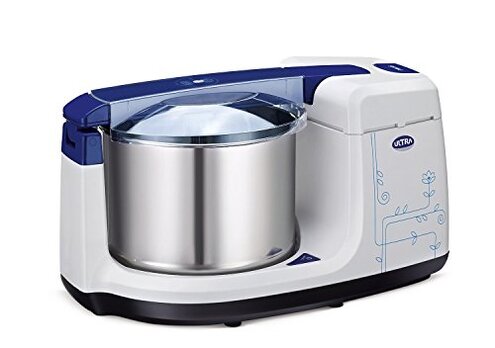
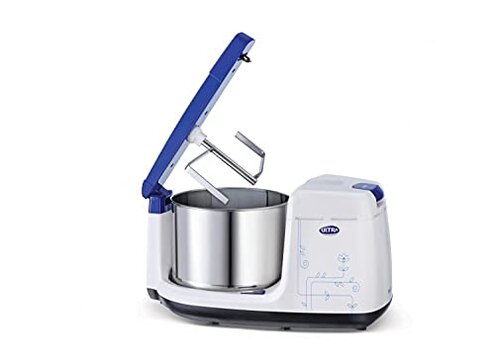
Product evaluated: Elgi Ultra Bigg+ 2.5 Liter Table Top Wet Grinder | With Atta Kneader 110 Volt For USA & Canada, Blue
Related Videos For You
Wet Grinder Machine - LEENOVA KITCHEN EQUIPMENT
Wet grinder cleaning and maintenance tips || Kitchen cleaning || Kitchen cleaning tips and tricks
Data basis for this report comes from analyzing dozens of aggregated buyer experiences collected from written reviews and star ratings, with some feedback echoed in Q&A style posts. The collection window spans 2021–2026. Most signals came from longer written complaints, supported by shorter rating-only feedback that still repeats the same pain points.
| Buyer outcome | Elgi Ultra Bigg+ 2.5L | Typical mid-range wet grinder |
| First-week success | Less forgiving setup; more reports of early frustration during first runs | More predictable learning curve; fewer “what am I doing wrong” moments |
| Counter space | Hard to place due to 38 lb weight and tall footprint in daily kitchens | Easier to move for occasional use, usually lighter and simpler to store |
| Mess control | Higher spill risk if load and water timing are off during grinding | Lower splash likelihood with more forgiving lids and smaller batch norms |
| Noise tolerance | More disruptive than some expect for “table top” use in shared homes | Category-normal noise but often perceived as easier to live with |
| Regret trigger | High price meets a steep learning curve and maintenance expectations | Lower stakes if it’s used less often or results vary by batch |
Top failures
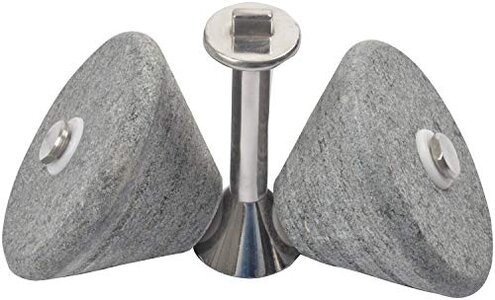
Why does it feel picky about water and batch size?
Regret often hits on the first few uses when the batter doesn’t move right and you end up babysitting the grind.
Pattern is recurring but not universal, and it shows up most during early learning or when switching recipes and quantities.
When it bites is during long runs, where small timing mistakes compound and you restart, scrape down, and add water in small steps.
Worse than expected because most mid-range wet grinders tolerate “close enough” loading without demanding so much attention.
- Early sign is batter clinging to the walls while the stones spin without pulling it through.
- Primary issue appears repeatedly as “needs perfect water” to avoid stalling and constant scraping.
- Trigger moment tends to be after initial setup, when you run a full batch and expect it to self-circulate.
- Hidden requirement is learning a narrow window of water level and load that is not obvious from marketing claims.
- Time cost shows up as extra stops to scrape and adjust instead of hands-off grinding.
- Mitigation many buyers attempt is starting with smaller loads and adding water gradually, which adds extra steps.
- Fixability is moderate because technique helps, but it can still feel temperamental across different grains and soak levels.
Is the cleanup and handling more work than it should be?
- Secondary pain shows up after daily use when you realize washing and reassembling takes more effort than expected.
- Context is strongest when batter dries in creases, which makes “quick rinse” unrealistic.
- Repeated pattern appears across feedback that mentions extra time for drum, stones, and lid pieces.
- Mess factor can increase if splatter happens, turning one task into wiping counters and the base area too.
- Category contrast is that mid-range units still need cleaning, but many feel simpler to rinse and re-seat parts.
- Storage friction shows up when you want to keep the drum in the fridge and then need the grinder body free.
- Mitigation is rinsing immediately and doing a quick water-spin clean, which adds a routine you may not want.
- Fixability is limited because the effort is tied to the multi-part design and frequent use patterns.
Can the weight and size make it annoying to live with?
- Primary complaint is that 38 lb makes it hard to move for people who store it between uses.
- When it appears is right after unboxing and again during cleanup when you want to shift it to wash safely.
- Worsens in smaller kitchens where you can’t leave it permanently on the counter.
- Impact is using it less often than planned because setup becomes a “project,” not a quick step.
- Category contrast is that many mid-range tabletop grinders are still heavy, but this is more disruptive than expected.
- Mitigation is dedicating a fixed spot or a rolling cart, which is a hidden space requirement.
Is the noise really “noiseless” in a normal home?
- Persistent mismatch shows up in feedback where “quiet” expectations clash with real sound during long grinding sessions.
- When it hits is during early mornings or shared-wall living, when the grind time overlaps with sleeping schedules.
- Worsens on harder batches that run longer, where the sound becomes more noticeable over time.
- More disruptive than expected because buyers often interpret “table top” as easier to ignore than it is.
- Workaround is running it at specific hours, which limits spontaneity for meal prep.
Illustrative excerpts below are paraphrased examples of common phrasing, not real quotes.
- “I kept stopping it to scrape the sides every few minutes.” This reflects a primary pattern tied to circulation and water timing.
- “It works, but the cleaning makes me avoid using it.” This reflects a secondary pattern tied to daily workflow friction.
- “Way heavier than I expected for a countertop machine.” This reflects a primary pattern tied to storage and handling reality.
- “Not ‘noiseless’ when it runs for a long batch.” This reflects a secondary pattern tied to home noise tolerance.
- “I had to change my routine just to fit this into my kitchen.” This reflects an edge-case pattern tied to space and schedule constraints.
Who should avoid this
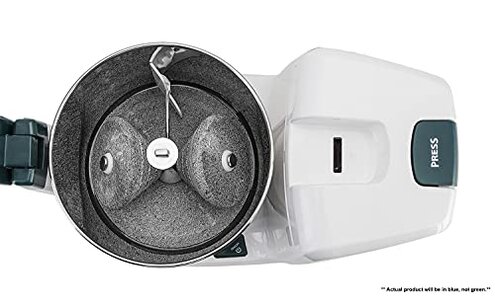
- Small kitchens where the grinder must be lifted in and out of storage, because 38 lb makes regular handling a pain.
- Low patience for dialing-in water and load, because early runs can demand scraping and frequent adjustments.
- Quiet homes with sleeping kids or shared walls, because noise complaints are a persistent expectation mismatch.
- Cleanup-sensitive cooks who want quick rinse-and-go, because multi-part cleaning friction appears repeatedly.
Who this is actually good for
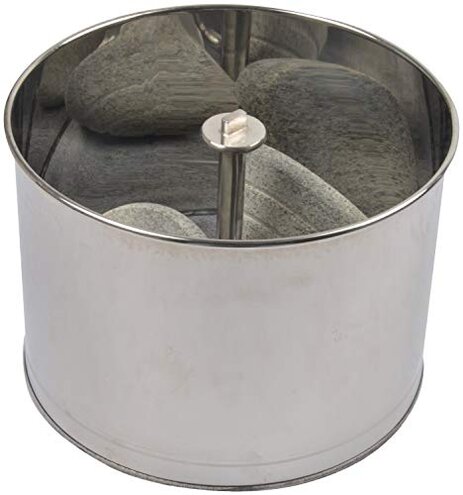
- High-frequency users who will leave it parked on one counter spot, because the weight becomes less relevant day-to-day.
- Process-driven cooks who don’t mind learning exact water timing, because technique reduces the scraping problem.
- Batch planners who can run it at set times, because noise becomes a scheduling issue instead of a deal-breaker.
- Users wanting storage in the same drum, who accept extra cleaning effort to avoid transferring batter.
Expectation vs reality
Reasonable for this category: wet grinders need some attention and cleaning.
Reality here: attention can be more frequent than expected due to picky circulation and water timing during real batches.
| Expectation | What buyers often run into |
| Hands-off grinding once started | Hands-on scraping and small adjustments, especially early on |
| Easy countertop appliance | Space planning and heavy handling if it’s not left out |
| Quiet enough for any time | Schedule around noise during longer sessions |
Safer alternatives
- Choose forgiving designs by looking for buyer notes about “self-circulating batter,” which directly reduces scraping and babysitting.
- Prioritize lighter units if you will store it away, because handling friction is a top driver of under-use.
- Check noise demos in real kitchens, because “quiet” claims can still be disruptive in apartments.
- Pick simpler cleaning setups with fewer parts to remove, which reduces the daily barrier to using it.
- Validate fit by measuring your counter and cabinet path, because space constraints turn into routine regret.
The bottom line
Main regret tends to be the combination of a steep, technique-heavy learning curve and the extra daily workflow burden.
Above-normal risk comes from how often the water-load “dial-in” and heavy handling show up in early ownership moments.
Verdict: avoid if you want simple, quick, and quiet countertop grinding without routine adjustments and cleanup time.
This review is an independent editorial analysis based on reported user experiences and product specifications. NegReview.com does not sell products.