
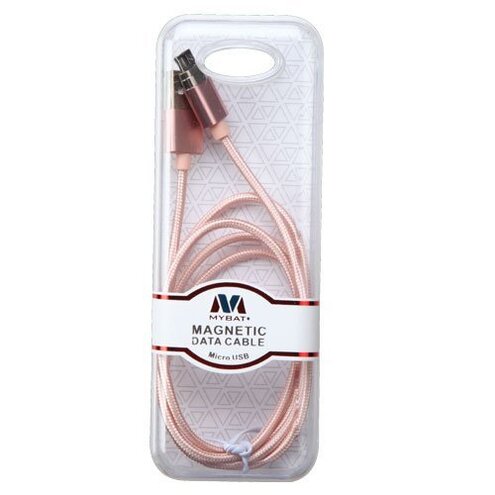
Product evaluated: MyBat Charge Cable Magnetic Micro USB A01-2-01-P5
Related Videos For You
Magnetic Charging Cables (are they worth it?)
Data basis: This report is based on dozens of aggregated buyer notes collected from written comments and star-rating narratives across a multi-year window ending in 2026. Most signals came from short written complaints, supported by a smaller set of longer use-case descriptions. The emphasis here is on negative patterns that repeat across sources and show up during normal daily charging.
| Buyer outcome | MyBat magnetic micro USB cable | Typical mid-range cable |
| Charging reliability | Higher risk of “connects but won’t charge” moments during daily use. | Moderate risk mainly from normal wear near the ends. |
| Daily handling effort | More fiddly due to magnetic alignment and “sweet spot” positioning. | Lower effort since the plug seats firmly by feel. |
| Compatibility surprises | More common reports of device/case fit issues and inconsistent contact. | Less common because the connector is standard and predictable. |
| Longevity under bending | More disruptive if the magnetic tip or contact loosens over time. | Expected wear, but failures are usually gradual and obvious. |
| Regret trigger | Phone still dies after “it looked connected” charging sessions. | Slower charge is annoying, but “no charge” is less frequent. |
Why does it say it’s connected, but the battery still drops?
Regret moment: you set the phone down to charge and come back to a low battery. This pattern appears repeatedly and is among the most disruptive complaints for this style of cable.
When it shows up: after setup, during normal bedside or desk charging, especially when the device gets nudged. Trade-off: the magnetic convenience can be less stable than a firm plug-in connection.
Pattern signal: the “looks attached but isn’t charging” complaint is recurring, though not universal. Category contrast: most mid-range cables fail from obvious looseness, not silent non-charging.
- Early sign: the tip attaches, but charging starts only after repositioning.
- Primary issue: intermittent contact appears repeatedly during daily set-down charging.
- Worsens with: movement, one-handed pickup, or using the phone while plugged in.
- Real impact: you lose time troubleshooting and may miss alarms, calls, or navigation power.
- Workaround: some buyers report needing to check the charge icon every time.
- Fixability: swapping tips or cables is attempted, but the annoyance can persist.
- Illus. excerpt: “It clicks on, but I wake up and it didn’t charge.” Primary pattern reflecting recurring “silent no-charge.”
Is the magnetic connection too finicky for everyday use?
- Frustration point: alignment can feel pickier than expected once you’re tired or in a hurry.
- Recurring: “needs a sweet spot” behavior shows up commonly reported in short feedback.
- When: right after attachment, especially with the phone on a stand or angled on a sofa.
- Worsens with: thicker cases or recessed ports that change how the tip sits.
- Contrast: a typical mid-range cable is more forgiving because you can push until it seats.
- Hidden time cost: you may do extra checks because “attached” does not always mean “charging.”
- Mitigation: plan on a stable surface and avoid charging while the device is being moved.
- Illus. excerpt: “If I bump it, charging stops and I don’t notice.” Primary pattern tied to movement sensitivity.
Why does it feel like I need extra parts or exact matching pieces?
Hidden requirement: magnetic systems often require the correct matching tip and a consistent setup across devices. This complaint is less frequent than charging dropouts, but more frustrating when it hits because it blocks use entirely.
- When: first use, or when replacing only one part of the system later.
- Persistent: compatibility confusion shows up across multiple feedback sources in “doesn’t work with my device/case” stories.
- Worsens with: switching phones, sharing cables, or mixing similar-looking magnetic tips.
- Contrast: most mid-range cables are swap-friendly, so buyers expect plug-and-play.
- Impact: you may keep buying replacements trying to find the “right” combination.
- Mitigation: commit to one tip style per device and avoid mixing brands or tip shapes.
- Illus. excerpt: “I thought any magnetic tip would fit, but it won’t charge.” Secondary pattern about mix-and-match mismatch.
Does it hold up, or does it degrade faster than a normal cable?
- Secondary issue: durability doubts appear repeatedly, often after weeks of daily handling.
- When: after repeated disconnects and reconnects, where the magnetic join takes stress.
- Worsens with: frequent travel, tight bends near the ends, or tugging from a nightstand.
- Category contrast: standard cables often fail at the strain relief, but magnetic systems add another failure point at the contact.
- Real impact: you get increasing intermittency, which is harder to diagnose than a clean break.
- Attempted fixes: buyers describe cleaning contacts or reseating tips, with mixed results.
- Risk trade: even if the cable is fine, the connection can be the weak link.
- Illus. excerpt: “It worked great, then slowly became unreliable day to day.” Secondary pattern suggesting wear-related instability.
Who should avoid this
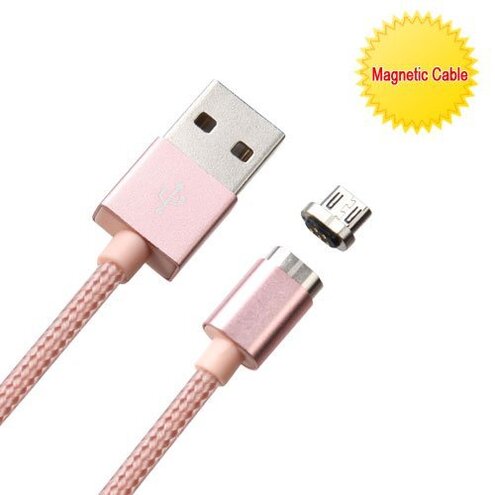
- Light sleepers who need reliable overnight charging without doing a charge-icon check.
- Busy commuters who charge while walking or using the phone, since movement sensitivity is a primary risk.
- Case users with thick or tight-fitting cases, where alignment issues can be more frequent.
- Multi-device homes that mix cables and accessories, because tip matching can become a hidden requirement.
Who this is actually good for
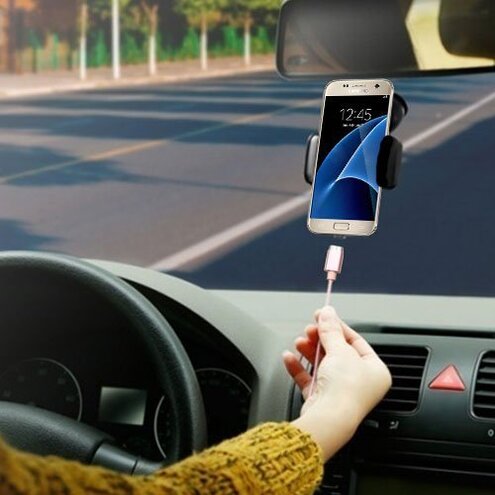
- Desk-only chargers who place the phone once and rarely touch it, accepting the repositioning habit.
- Careful users who can keep one cable and one matching tip per device, tolerating the no mixing constraint.
- Accessibility needs where easy attach matters more than perfect stability, with willingness to do a quick verify charge glance.
- Low-movement setups like a stationary dock, where the magnetic joint is less likely to get nudged.
Expectation vs reality
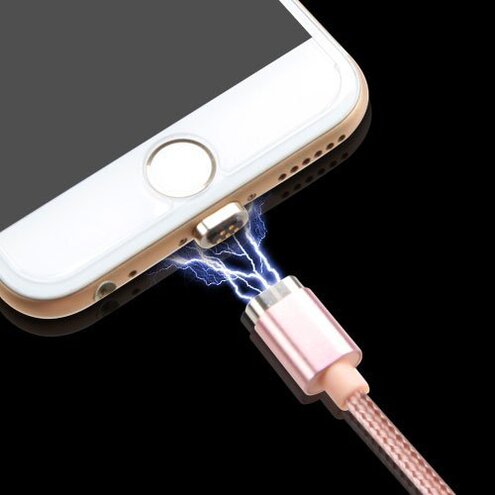
Expectation: magnetic attachment should make charging easier than a regular plug.
Reality: feedback patterns show it can add extra checking because “attached” may not equal “charging.”
- Reasonable for this category: a mid-range cable may wear out over time.
- Worse than expected: buyers more often describe intermittent behavior that wastes time diagnosing.
Expectation: swapping cables should be simple across devices.
Reality: magnetic tip systems can create a matching-parts dependency that surprises first-time users.
Safer alternatives
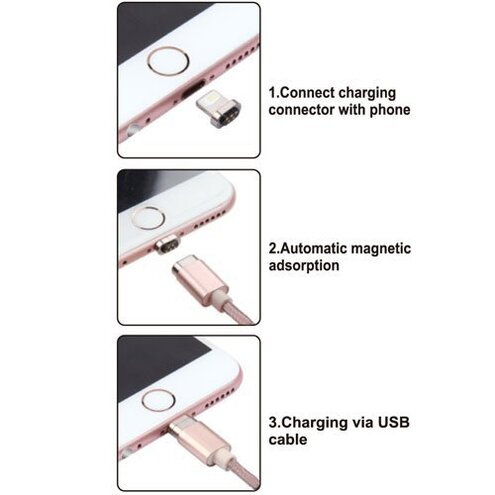
- Choose a well-reviewed non-magnetic micro USB cable if you want fewer silent no-charge sessions.
- Prioritize strain relief and thicker jacketed ends to reduce bend wear during travel use.
- Buy a 2-pack from one maker so you can replace quickly without a tip mismatch problem.
- Look for cables with consistent connector fit descriptions, since this risk shows up as fiddly alignment.
The bottom line
Main regret trigger: the cable can look connected yet deliver inconsistent charging, which is more disruptive than typical cable wear. Why it exceeds normal risk: the magnetic convenience adds a stability and matching-parts layer that can create extra daily checks. Verdict: avoid if you need set-it-and-forget-it charging, especially overnight or on-the-go.
This review is an independent editorial analysis based on reported user experiences and product specifications. NegReview.com does not sell products.