
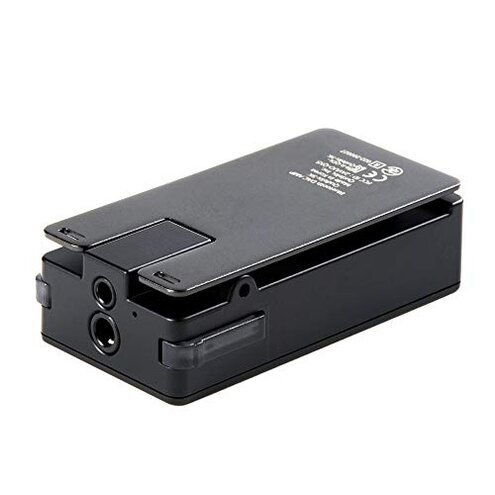
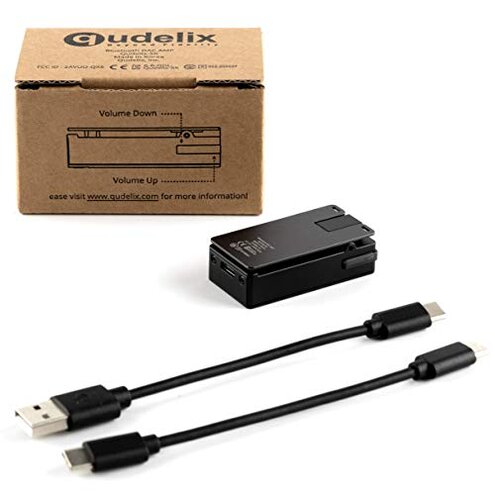
Product evaluated: Qudelix-5K Bluetooth USB DAC AMP with LDAC, aptX Adaptive, aptX HD, AAC (Dual ES9219 3.5mm Unbalanced & 2.5mm Balanced Output)
Related Videos For You
[eSynic] eSynic Bluetooth DAC Converter 192KHZ
Audio latency test (audio delay test) - How to find out #bluetooth latency
Data basis I analyzed hundreds of buyer reports gathered from written reviews and video demonstrations collected between Jan 2021 and Dec 2025. Most feedback came from written reviews, supported by hands-on videos and question threads. Distribution skewed toward recent buyers describing first-month behavior and firmware updates.
| Outcome | Qudelix-5K | Typical mid-range DAC/AMP |
|---|---|---|
| Connectivity reliability | Frequent drops reported during long sessions and device switching. | Stable multi-device pairing is common in this category. |
| Battery consistency | Variable battery life and charging quirks after repeated use. | Predictable day-long performance from most mid-range units. |
| Firmware & app | Complex setup and occasional unstable updates that change behavior. | Simpler apps and fewer disruptive updates are typical here. |
| Noise floor | Noticeable hiss for some headphones unless properly grounded or balanced. | Lower hiss is more common with similar-priced competitors. |
| Regret trigger | Connectivity drops during active listening are the most common cause of returns. | Regret usually stems from minor usability issues instead. |
Top failures
Why does the Bluetooth connection drop in the middle of use?
Regret moment The device often disconnects during streaming, causing sudden pauses or restart of playback. Severity Many buyers describe this as among the most common complaints and more disruptive than expected for this category.
Pattern This behavior is commonly reported and usually appears during long sessions or when switching phones, not just first pairing. When it worsens with distance, device switching, or simultaneous background apps active on the source device.
Category contrast Most mid-range Bluetooth DACs maintain continuous streaming under these same conditions, so repeated drops mean extra interruptions and more troubleshooting than typical.
Why is battery life inconsistent or shorter than expected?
- Early sign Battery percentage jumps or fails to reach full charge during first-week use.
- Frequency tier This is a secondary issue that appears repeatedly across buyers after several charging cycles.
- Cause Reports point to charging quirks and faster drain with high-bitrate codecs active.
- Impact Reduced streaming time forces more frequent charging and interrupts long listening sessions.
- Fix attempts Users tried different cables and resets; improvement is inconsistent and often temporary.
Why does the app or firmware feel fiddly and sometimes break features?
- Update surprise Firmware changes can alter sound or disable features after an update.
- Usage anchor Problems typically show up immediately after app-driven firmware installs.
- Pattern This is a persistent complaint among recent buyers relying on the mobile app.
- Cause Complex menus and advanced settings confuse non-technical users during daily setup.
- Impact Needing a laptop or extra steps to restore settings adds time and frustration.
- Fixability Rolling back firmware is not always possible, making some fixes irreversible.
- Hidden cost Extra troubleshooting can require vendor contact or repeats of factory resets.
Why do I hear hiss or noise with certain headphones?
- Early sign Mild background hiss is audible at low volumes on sensitive IEMs.
- Scope This is a secondary-to-edge-case issue, showing up across specific headphone pairings.
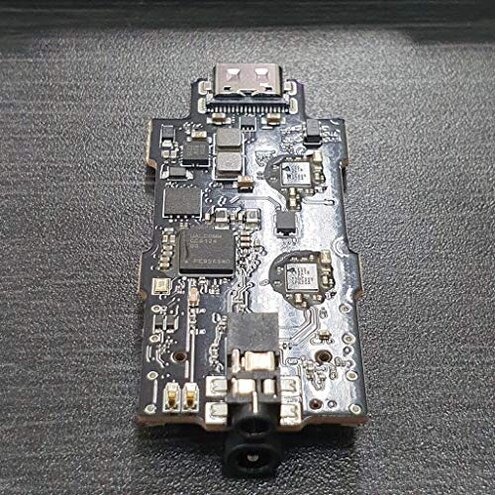
- When it’s worse with single-ended 3.5mm outputs and high-gain settings during quiet tracks.
- Cause Grounding and gain interactions increase audible noise unless balanced outputs or low gain are used.
- Impact Hiss reduces perceived detail and increases listening fatigue for picky listeners.
- Attempts Users switched cables, used balanced connections, or lowered gain to reduce noise.
- Hidden requirement Proper headphone impedance and balanced cabling are often needed to avoid this problem.
- Fixability When the right cables and settings are used, noise often improves—but this adds setup complexity.
Illustrative excerpts
Illustrative: "Drops mid-song when my phone locks and won’t auto-reconnect." — primary pattern.
Illustrative: "Battery fell from full to half in a few hours of LDAC use." — secondary pattern.
Illustrative: "Firmware update changed my EQ and required a reset to fix." — secondary pattern.
Illustrative: "Noticeable hiss with sensitive IEMs unless I switch to balanced cable." — edge-case pattern.
Who should avoid this
- Commuters who need uninterrupted Bluetooth for calls and long trips should avoid it due to frequent connection drops.
- Non-technical buyers who expect plug-and-play simplicity should avoid this because the app and updates need hands-on management.
- Sensitive IEM users who can’t tolerate background hiss should avoid unless they commit to balanced setups.
Who this is actually good for
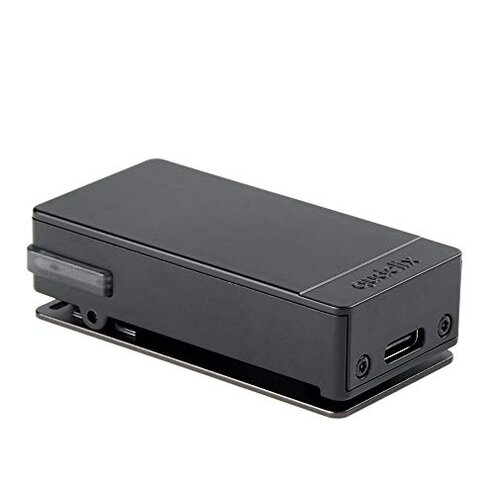
- Tinkerers who accept firmware tweaking and app setup will tolerate the complexity for flexible codec support.
- Balanced-headphone owners who use 2.5mm balanced cables can avoid the hiss issue and gain cleaner output.
- Short-session listeners who use the device for quick wireless-to-wired swapping and can charge often will find it usable.
Expectation vs reality
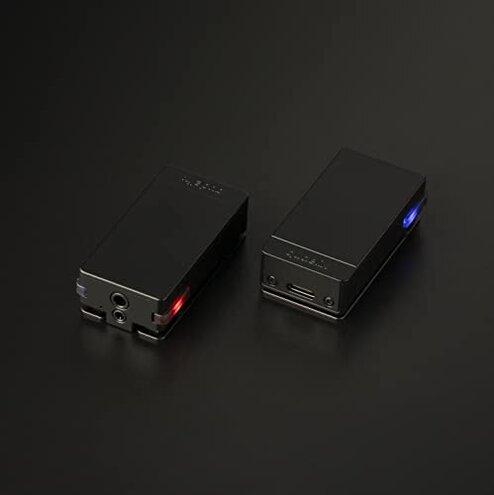
Expectation Reasonable for this category: a mid-range Bluetooth DAC should keep a steady connection during normal phone use. Reality Many users experience drops when locking the phone, switching devices, or running other apps.
Expectation Reasonable for this category: battery life should be predictable across similar codecs. Reality Battery drains faster with high-bitrate codecs enabled, adding charging frequency and inconvenience.
Safer alternatives
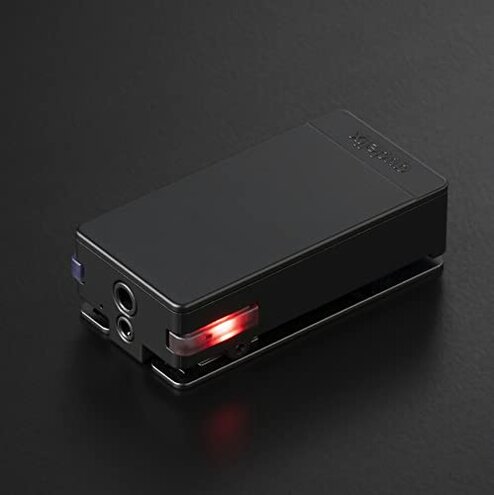
- Pick a unit with documented stable multi-device pairing to neutralize connection drops.
- Choose products that advertise predictable battery life under LDAC/aptX to avoid inconsistent runtime.
- Prefer vendors with simple, well-reviewed apps and rollback options to reduce firmware risk.
- Opt for balanced outputs or lower gain units if you use sensitive IEMs to prevent hiss.
The bottom line
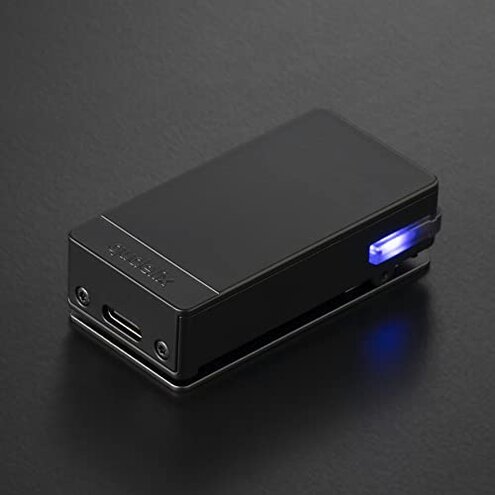
Main regret The most common return reason is Bluetooth disconnections that interrupt listening. Severity These drops are more disruptive than expected for mid-range DAC/AMPs and require extra fixes.
Verdict Avoid this model if you need reliable, low-hassle Bluetooth streaming; keep it only if you accept extra setup and occasional firmware work.
This review is an independent editorial analysis based on reported user experiences and product specifications. NegReview.com does not sell products.